Tom Goodenough

Tom Goodenough

Tom Goodenough is online editor of The Spectator.

What the papers say: Why Bercow was wrong – or right – to speak out about Trump

From our UK edition

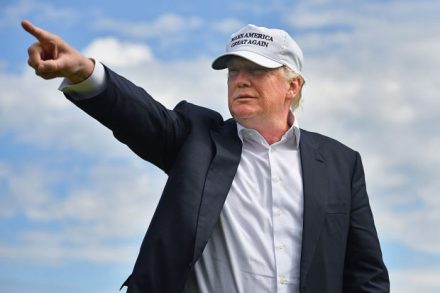
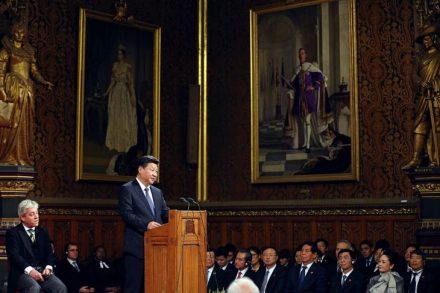
John Bercow has grabbed the headlines this morning with his pronouncement on Donald Trump’s state visit. But was he right to voice his opinions about the President? No, says the Daily Telegraph which claims that Bercow was only speaking for one person when he said Trump would not be welcome addressing MPs in Westminster Hall: himself. Instead, Bercow would do well to delve into the history books and remember the actions of speaker William Lenthall who faced down Charles I with the words: 'I have neither eyes to see nor tongue to speak in this place but as the House is pleased to direct me.' Yet instead of listening to his predecessor’s words of wisdom, Bercow has chosen to voice a ‘near hysterical rant’.
Tonight’s Brexit debate: What happens and when

From our UK edition

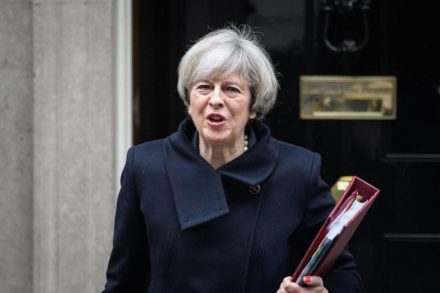
Now that the Supreme Court has ruled that Parliament must have its say on Brexit, it seems MPs are determined to make the most of it. After last week’s mammoth debate, today’s session on amendments to the Government’s White Paper will drag on until the early hours of tomorrow morning. It’s expected to finish up at around 1am – keeping Brexit aficionados, as well as MPs from all sides and the Government busy. But what will they be discussing? Here's the Spectator's guide to tonight's Brexit session: After Theresa May’s Commons statement on the European Council meeting, tonight’s Commons session will essentially split into two parts. The first, expected to last from 4.

What the papers say: Will the Government’s plan to tackle health tourism work?

From our UK edition

NHS hospitals will charge foreign patients who are not eligible for free, non-emergency treatment up front from April, Health Secretary Jeremy Hunt will announce today. It’s a controversial step, but one likely to go down well with voters angry at people from abroad using NHS services without paying. The move is designed as a way of finally meeting a target for hospitals to recoup some £500m from overseas patients - something hospitals have, until now, fallen well short of doing (just £289m was collected in 2015/16). It’s a step which, unsurprisingly, has been greeted with praise in this morning’s newspaper editorials.

Terror returns to Paris in Louvre attack

From our UK edition

A man armed with a machete has been shot by a soldier outside the Louvre in Paris this morning. French police said the attacker - who is fighting for his life in hospital - yelled 'Allahu Akbar' as he tried to gain access to the world-famous museum. Prime Minister Bernard Cazeneuve has described the attack as 'terrorist in nature' and the French foreign minister has said the man involved was armed with several knives. One of the things to say about the incident this morning was that it was over before it started.

What the papers say: The verdict on the Government’s Brexit White Paper

From our UK edition

What does the Government’s Brexit White Paper - which was unveiled yesterday - actually tell us? ‘Nothing and everything’, says the Guardian, which accuses ministers of dishing up a document stuffed with ‘platitudes and empty rhetoric’. But for all the lightness of detail, the White Paper reveals a bigger truth: a ‘troubling form of politics, where ministers can pursue their interest without compromise’. The Guardian says the published document offers ‘no scrutiny’ and nothing but ‘contempt’ for Parliament.

What the papers say: Brexit ‘lift off’

From our UK edition

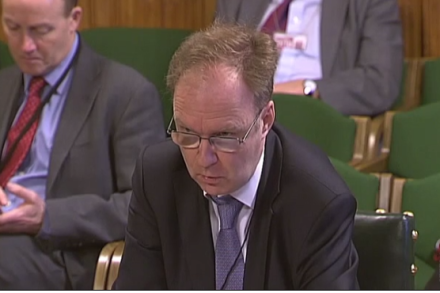
The period of ‘phoney Brexit’ is over, says the Daily Telegraph in its editorial this morning. After MPs overwhelming backed the Government on the triggering of Article 50 in last night's historic vote, one thing is now clear: ‘there is no way back’. It’s obvious, the Telegraph says, that whatever happens next, the process is not going to be easy. Sir Ivan Rogers told a Commons committee yesterday that the Brexit negotiations will be the biggest undertaken since the Second World War - and possibly the biggest ever; he’s right, says the Telegraph.

Sir Ivan Rogers paints a more optimistic picture of Brexit

From our UK edition

Sir Ivan Rogers has earned himself a reputation as something of a Brexit bogeyman. Admittedly the UK’s former ambassador to the EU didn’t help matters with his pointed 1,400 resignation email in which he attacked the Prime Minister for her ‘muddled thinking’. That broadside was interpreted as a dyed-in-the-wool Europhile doing his best to be disruptive; it also resulted in the tabloids calling him ‘Ivan the terrible’. To make matters worse, Rogers - who has now retired from the civil service - was also fingered as the one to blame for David Cameron’s dismal deal he secured in the run-up to the referendum.

What the papers say: Parliament’s ‘marathon of Brexit whingeing’

From our UK edition

MPs will finally vote tonight on the triggering of Article 50, and for wavering Parliamentarians, the Sun has some advice. It says that yesterday’s debate was a ‘marathon of Brexit whingeing’ which saw MPs recycle ‘reheated Project Fear doom-mongering’. Instead, they should listen to their colleague Tory MP Julian Lewis, whose contribution consisted of just nine words: 'The people have decided. I’m going to vote accordingly'. ‘That is now all it boils down to,’ the Sun says. The Daily Telegraph is more optimistic about Parliament’s contribution to the Brexit debate.

What the papers say: Brexit’s day of reckoning and why Trump’s critics are wrong

From our UK edition

At last, says the Guardian, MPs will finally have a proper say today on Brexit. David Davis has said the debate comes down to a simple question: do we trust the people? But for the Guardian, it’s a mistake for MPs and peers not to try and ‘get in the way’ of pushing the triggering of Article 50 back beyond Theresa May’s ‘self-imposed deadline’ of the end of March. It’s clear that the outcome of last June’s referendum left Parliament reeling: ‘casually drafted regulations’ backed up the vote and ‘with no leave process mapped out, the Commons failed to muster the resolve to force its way into the process of departure’.

What the papers say: Donald Trump’s deal with Britain

From our UK edition

It's difficult to escape from Donald Trump’s interview with Michael Gove in the Times this morning. The president-elect’s view that he wants a quick trade deal with Britain is not only leading a number of newspaper front pages, it's also stirring up excitement in the editorials. Here's what the newspapers are saying: In its editorial, the Times says its interview with the ‘refreshingly candid’ president-elect should reassure us about the prospect of a Trump presidency. Take Syria, for instance: it’s true that Trump ‘clearly grasps’ the scale of the crisis there. It’s also ‘reassuring’ to hear Trump commit to a strong Nato. And the fact he wants early talks with Theresa May on Brexit is also a healthy sign.

What the papers say: When is a hate crime not a hate crime?

From our UK edition

Amber Rudd’s speech on foreign workers at the Tory party conference has been reported to police as a hate crime. The Oxford professor who made the complaint said he took issue with what he described as the Home Secretary's discrimination against workers from overseas. The Home Office has hit back, saying the (now scrapped) suggestion that firms might be asked to say how many overseas staff they employ was not a hate crime. But the way in which police must deal with reports like this mean that if someone reports an incident as a hate crime, police are obliged to record it as such. And the row has provoked an angry reaction in the newspaper editorials this morning: The Daily Telegraph says this incident should teach Amber Rudd a lesson.

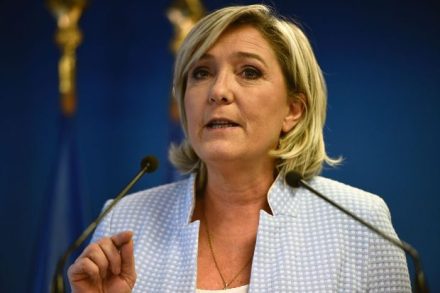
What is Marine Le Pen doing at Trump Tower?

From our UK edition

Marine Le Pen popping up at Trump Tower has provoked a predictable storm of fury. Of course we don’t know if the Front National leader is actually there to meet Donald Trump or not. It does, though, seem like a long way to travel to do without a ride in Trump’s gilded elevator and a snapped selfie with the president-elect. Perhaps then the draw of the Trump Tower cafe proved too alluring to resist during Le Pen’s unscheduled visit to New York. But while details about exactly what she is up to in Trump Tower are thin on the ground, the fact she is there at all is certainly interesting.

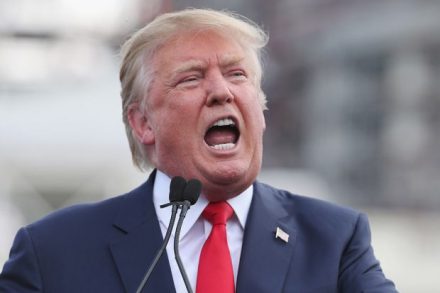
What the papers say: Donald Trump hits back

From our UK edition

Donald Trump is dominating the headlines once again after he hit back furiously at reports that Russia had compromising videos of him in a Moscow hotel room. The president-elect denied the claims, branding BuzzFeed, who revealed the dossier detailing the allegations, a ‘failing piece of garbage’. So should the claims have come to light? No, says the Sun, which attacks the website for publishing the unverified allegations and in so doing making a ‘mockery of journalism’. The paper questions why the website - whose editor-in-chief admitted they could not stand up the claims - gave the go-ahead to release the information anyway.

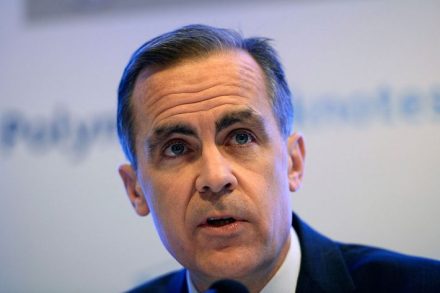
Mark Carney strikes a different tone on Brexit

From our UK edition

Mark Carney made himself some enemies during the referendum. It wasn’t only his gloomy prophecies that caused trouble. His willingness to speak out in the first place was enough to anger those who thought he should keep shtum on a politically-loaded topic like Brexit. Today, though, we saw a different Carney. Gone was the gloominess, and in place of his warning that the referendum was ‘the most significant’ risk to Britain’s financial stability, came the verdict that Britain was largely out of that particular storm.

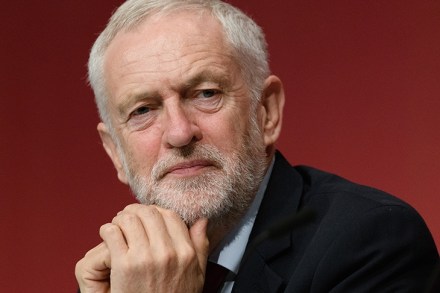
What the papers say: Jeremy Corbyn’s day to forget

From our UK edition

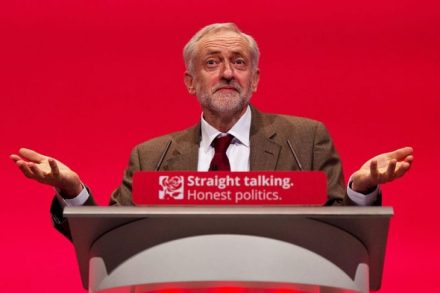
Jeremy Corbyn’s botched relaunch yesterday was successful in only one way: it kept the Labour leader in the headlines throughout the day. Unfortunately his various u-turns on immigration - as well as his unexpected maximum pay cap, which he also rowed back on - ensured this blanket coverage was for all the wrong reasons. And today’s newspaper editorials also make miserable reading for those hopeful that Corbyn might have managed a fresh start in 2017. It was a ‘day-long carnival of  jaw-dropping buffoonery’, says the Sun, which picks apart Corbyn’s various outings yesterday.

What the papers say: An overdue overhaul for mental health and May’s Trump-sized opportunity

From our UK edition

Theresa May is launching yet another attempt to define herself as a politician today with a major speech on tackling the ‘hidden injustices’ of mental illness. The Prime Minister has won plaudits for taking on an issue which often gets ignored, says the Daily Telegraph. Yet it’s true that we have been here before, the paper says - pointing out that David Cameron made a similar pledge only a year ago. So what's different? The Telegraph says there are ‘obvious benefits’ to May’s strategy to finally get to grips with this issue. But with the NHS in such a mess, her targets will be ‘hard to achieve’.

What the papers say: Britain’s booming economy and ‘whinging’ Whitehall

From our UK edition

The front page of the Times makes happy reading for the Government this morning with its news that Britain’s economy grew at a faster rate than any other leading economy in the world last year. But while politicians are keen to act as cheerleaders on occasions like this, they are somewhat more reluctant to mention another ‘metric of success: immigration’. So says the Guardian in its editorial in which it argues that foreign workers wanting to come to Britain is a sign of just how healthy our economy is. Theresa May faces a challenge, the paper says, in addressing the worries of workers who want immigration to be controlled, while not ignoring the demands of various sectors for workers from overseas. So what’s the solution?

What the papers say: The Sir Ivan Rogers row rumbles on

From our UK edition

Sir Tim Barrow has been appointed as Britain’s ambassador to the EU. Yet still the row over his predecessor’s departure rages in today’s papers. Sir Ivan Rogers may well have thought that the country made a mistake in backing Brexit, says the Daily Telegraph, but it is ‘not his place to make that impression public in the way that he did’. There was ‘nothing even-handed about the way in which he left, according to the paper’s editorial, which hits out at Rogers’ apparent inability to deal with politicians not always taking on board his advice. But the Telegraph’s most stinging criticism for Rogers is the way in which this row ended up playing out in public.

What the papers say: Sir Ivan ‘the terrible’ or a terrible loss?

From our UK edition

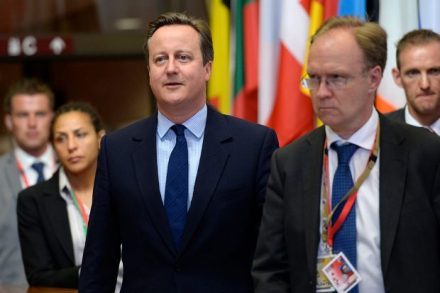
Sir Ivan Rogers is stepping down from his role as the UK’s ambassador to the EU - but is his departure really such a great loss? In his explosive resignation email, Rogers urged his colleagues to challenge ‘muddled thinking’ and ‘speak truth to power’, in a parting shot at Theresa May. So is this evidence of a Brexit botch-up? Not so, says the Sun, who calls the departing diplomat ‘Ivan the terrible’ and says it won’t weep over his decision to quit. A quick glance at the ‘pathetic empty shell’ of David Cameron’s EU renegotiation deal is all you need to see as to why Roger’s resignation is no great loss, the paper says.

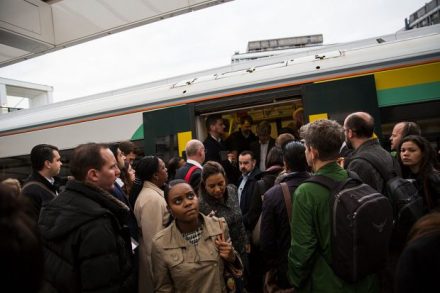
What the papers say: Foreign aid, commuter misery and financial market woes

From our UK edition

Leaving the EU was all about taking back control - and it’s time to do the same with Britain’s foreign aid budget, says the Daily Telegraph. It describes the target set by David Cameron for the UK to spend 0.7 per cent of its GDP on foreign aid as ‘ill-judged’. Making a comparison with the Brexit vote, it warns the Government to listen to voters' concerns about the levels of spending on aid projects, ‘given that the aid target is at least as unpopular with voters  as EU membership was’.