The Spectator

Ed Miliband’s letter to Lord Rothermere – and the Mail on Sunday’s apology

From our UK edition

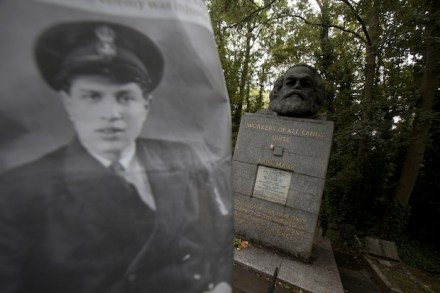
Dear Lord Rothermere, Yesterday I spoke at a memorial event held at Guy’s Hospital in London for my uncle, Professor Harry Keen, a distinguished doctor who died earlier this year. It was an event in a room on the 29th floor of Guy’s Hospital which was attended only by family members, close friends and colleagues. I was told by one of my relatives late yesterday evening that a reporter from the Mail on Sunday had found her way into the event uninvited. I also discovered that, once there, she approached members of my family seeking comments on the controversy over the Daily Mail’s description of my late father as someone who “hated Britain”. My wider family, who are not in public life, feel understandably appalled and shocked that this can have happened.
George Osborne’s speech to the Conservative conference: full text and audio

From our UK edition

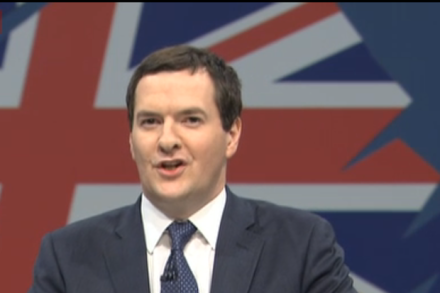
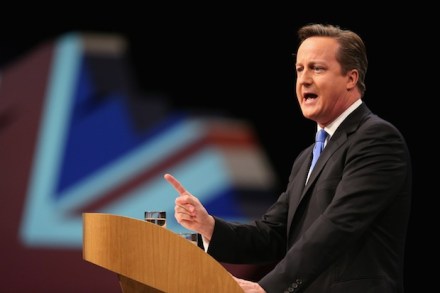
listen to ‘George Osborne's speech to the Conservative conference’ on Audioboo At every Party Conference since the election, as we have gathered, the question for us, the question for me, the question for our country, has been: 'is your economic plan working?'. They’re not asking that question now. The deficit down by a third. Exports doubled to China. Taxpayers’ money back from the banks, not going in. 1.4 million new jobs created by businesses. 1,000 new jobs announced in this city today. Our plan is working. We held our nerve in the face of huge pressure. Now Britain is turning a corner. That is down to the resolve and to the sacrifice of the people of this country. And for that support we owe the British people a huge heartfelt thank you.

Letters: On quitting Facebook, and putting down Nigel

From our UK edition

Why we joined Sir: I was astonished by the assertion made by Wyn Grant (Letters, 21 September) that ‘the postwar surge in Conservative party membership was due to people rebuilding their social lives after the war’. Where did that idea come from? I grew up in south London before and during the war. I recall that social contact increased during the war and friendships made then endured when the war was over. Of course the nature of social activities gradually changed after the war, but the suggestion that most people joined the Conservative party purely for social reasons is wrong.