Quicksand
From our UK edition
From our UK edition
From our UK edition

From our UK edition
From our UK edition
From our UK edition

From our UK edition
From our UK edition
A fat lot of good Sir: Max Pemberton is right that obesity is a terrible problem in western society (‘The battle of the bulge’, 12 October). But it is not helped by doctors. He seems to think that eating fat makes you fat: ‘While people back then were slimmer, they ate fattier foods.’ He then appears surprised that despite ‘eating better now’ and having access to more gyms and ‘working out more’ (which is arguable), we are not as slim as our predecessors. The plague of obesity seems to have started about 40 years ago, when scientists, funded by margarine manufacturers, came up with the brilliant wheeze that eating animal fat makes you fat and causes heart attacks.
From our UK edition
Union dispute Pedants suffered a blow as the chief vexillologist of the Flag Institute declared that the Union Jack and Union Flag are interchangeable terms, the latter being just as correct on land as it is at sea. Here are both sides of the argument: evidence for ‘union jack’ being correct only at sea — A ‘jack’ is an old term for the bow flag of a vessel, and was in use before the Union Jack came into being. — A proclamation by King Charles I in 1634 referred only to the ‘Union Flag’. — The royal proclamation on 1801 which added the cross of St Patrick also used only the term ‘Union Flag’.
From our UK edition
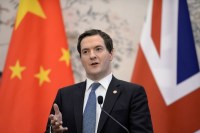
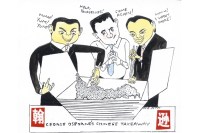
Trade missions are almost comically pointless nowadays, as George Osborne’s visit demonstrated this week in Beijing. He is right that there are serious problems in our trade relations with China — an emerging economic superpower that buys more from Switzerland than it does from Britain. In fact, we export depressingly little to any major emerging market. It’s a matter of real concern — but flying off to China won’t fix it. There’s no evidence that trade missions make a blind bit of difference. When Richard Nixon made his historic visit to China in 1972, it did represent an economic breakthrough. It was far harder, back then, for companies to break into well-protected markets — especially if trade was curtailed for political reasons.
From our UK edition
Home Shares in Royal Mail, floated on the stock market at 330p, began trading at 475p. SSE, the energy supplier, raised prices by 8.2 per cent, and other suppliers were expected to follow suit. Ofwat, the water regulator, said it would block Thames Water’s request to increase bills by up to 8 per cent next year. The rate of inflation, measured by the Consumer Prices Index, remained at 2.7 per cent, and, as measured by the Retail Prices Index fell from 3.3 to 3.2 per cent. The average price of a property in the United Kingdom rose to a record £247,000. Unemployment fell to 2.49 million, and those with work rose to a record 29.87 million. Eleanor Catton, aged 28, won the Booker prize with The Luminaries.

From our UK edition
From our UK edition
From our UK edition
From our UK edition
From our UK edition
From our UK edition


From our UK edition
From our UK edition
From our UK edition
From our UK edition