Mean
From our UK edition
From our UK edition
From our UK edition
From our UK edition
From our UK edition
From our UK edition
From our UK edition
From our UK edition
From our UK edition
From our UK edition
From our UK edition
From our UK edition
From our UK edition
From our UK edition
From our UK edition
From our UK edition
From our UK edition
From our UK edition
Degrees of ability Sir: Nick Cohen has written an amusing piece on PPE (‘Crash course’, 27 September), marred by lazy journalism. I never said that Cameron was ‘my ablest pupil’, an impossible judgment to make. What I said was that he was ‘one of my ablest pupils’. He was also, incidentally, one of the nicest. And I cannot help feeling that a degree which produced two Nobel prize winners in economics — Hicks and Meade — and three of the greatest philosophers of the 20th century — Isaiah Berlin, Strawson and Dummett — must have a bit more to be said for it than Nick Cohen and other journalists suggest.
From our UK edition
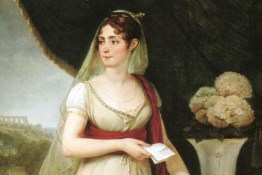
Paisley power Paisley pyjamas were in the news. While associated with the town in Renfrewshire, whose mills produced the patterns from 1805, what we know as paisley was first popularised in France thanks to its part in the courtship between the power couple of the day: Napoleon and Josephine. — While stationed in Egypt in 1798 he sent her a shipment of Kashmiri shawls which did not immediately grab her eye. She described the design as 'ugly and expensive but light and warm. I have serious doubts that this fashion will last.' — But she later changed her mind and was painted wearing one of the shawls, leading to mass popularisation. Who sexts?
From our UK edition
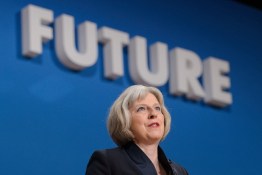
Home The Commons, having been specially recalled, passed, by 524 votes to 43, a motion supporting ‘the use of UK air strikes to support Iraqi, including Kurdish, security forces’ efforts against Isil in Iraq’. Only after four days did RAF Tornados from Akrotiri in Cyprus find some targets in Iraq to bomb. In support of her contention that Isil’s ‘hateful ideology has nothing to do with Islam’, Theresa May, the Home Secretary, in a well-received speech at the Conservative party conference, quoted the Qu’ran: ‘Let there be no compulsion in religion’ (Sura 2:256).
From our UK edition
If the Labour party conference in Manchester felt like a funeral, the Conservatives’ gathering in Birmingham had the air of a wedding. It had jazz bands, champagne bars and a near-universal mood of celebration — which is odd, given that every opinion poll and bookmaker reckons the Tories are on course to lose power next year. Almost every speech delivered from the floor was more substantial, forceful and credible than any delivered at the Labour party conference. And one of the highlights was the tour de force delivered by Theresa May. For almost two decades the job of Home Secretary has been a political graveyard. Theresa May has made it into a power base. Several home secretaries tried to deport Abu Qatada; she succeeded.