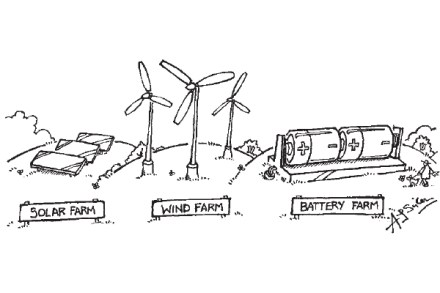
Farms
From our UK edition
From our UK edition
From our UK edition
From our UK edition
From our UK edition
From our UK edition

From our UK edition
From our UK edition

From our UK edition
From our UK edition
From our UK edition
From our UK edition
From our UK edition
From our UK edition
The presence of a church Sir: The challenge for the Church of England and the wider community is to ensure that our village churches are a blessing and not a burden (‘It takes a village’, 21 February). The Church of England has approximately 16,000 churches, three-quarters of which are listed by English Heritage. Most of these church buildings are in rural areas. There are around 2,000 rural churches with weekly attendance lower than ten. It can be a significant responsibility for those small congregations to look after that church, and one has to recognise that this is a burden that falls on thriving parishes.
From our UK edition
Golden league Some MPs who earn Sir Malcolm Rifkind’s rate of £5,000 a day: — Sir Tony Baldry (Banbury): £3,333 for four hours work as deputy chairman of Woburn Energy. — Greg Barker (Bexhill and Battle): £20,000 for 30 hours providing advice to Ras Al Khaimah Development LLC. — Henry Bellingham (NW Norfolk): £7,500 for 12 hours’ work as non-executive director, Developing Markets Association. — Tim Loughton (East Worthing and Shoreham): £15–£20,000 for ‘about 20 hours a year’ as adviser to National Fostering Agency. — John Redwood (Wokingham): £27,941 for 40 hours’ work as chairman of Investment Committee of CS Pan Asset Capital Management Ltd.
From our UK edition
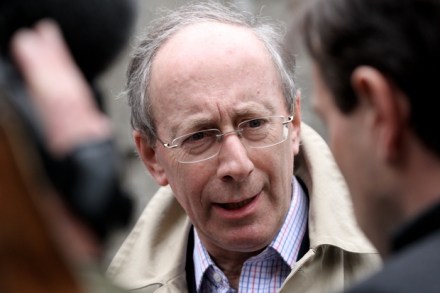
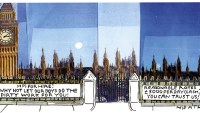
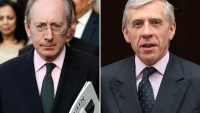
Home Sir Malcolm Rifkind, the former Conservative foreign secretary, resigned as chairman of Parliament’s Intelligence and Security Committee and promised not to stand for Parliament in May after he and Jack Straw, the former Labour foreign secretary, were suspended from their parties. This followed their being separately secretly filmed apparently offering their services for payment to reporters from the Daily Telegraph and Channel 4’s Dispatches programme pretending to be acting for a Chinese company. Ed Miliband, the Labour leader, declared that Labour candidates would in future not to be allowed to have second jobs.
From our UK edition
Had the public been asked, before Monday morning, to identify two MPs who stood for honesty and decency, the names Jack Straw and Sir Malcolm Rifkind would have been prominent among their replies. Both have served as foreign secretary, Straw also as home secretary and justice secretary. Neither seemed unduly driven by personal ambition, nor were they the worst offenders in the expenses scandal. Both are probably right in saying that they have not broken any rules when discussing work opportunities with employees of a Chinese company who turned out to be undercover Daily Telegraph reporters. But it is astonishing that both seemed to believe this sufficient to let them off the hook.

From our UK edition

From our UK edition
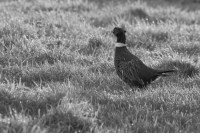
From ‘Animal Sentries’, The Spectator, 27 February 1915: OBSERVERS of birds have been much interested by the evidence, which seems to be fairly satisfactory, that pheasants in as remote a part of England as Westmorland were disturbed by the firing in the North Sea on the day of Sir David Beatty's action and showed many signs of excitement. The first evidence came from the Rev. W. M. L. Evans, of Busby, Lincolnshire, who related in a letter to the Times how on Sunday morning, January 24th, his clerk met him with the announcement "There be rare goings on in the North Sea the morn." When asked to explain the clerk said "The pheasants is all over the place with their fuss"; and many other villagers confirmed this statement.
From our UK edition
From The Spectator, 27 February 1915: Observers of birds have been much interested by the evidence, which seems to be fairly satisfactory, that pheasants in as remote a part of England as Westmorland were disturbed by the firing in the North Sea on the day of Sir David Beatty’s action and showed many signs of excitement. The first evidence came from the Revd W.M.L. Evans, of Busby, Lincolnshire, who related in a letter to the Times how on Sunday morning his clerk met him with the announcement ‘There be rare goings-on in the North Sea the morn.’ When asked to explain the clerk said ‘The pheasants is all over the place with their fuss’; and many other villagers confirmed this statement.
From our UK edition
Had the public been asked, before Monday morning, to identify two MPs who stood for honesty and decency, the names Jack Straw and Sir Malcolm Rifkind would have been prominent among their replies. Both have served as foreign secretary, Straw also as home secretary and justice secretary. Neither seemed unduly driven by personal ambition, nor were they the worst offenders in the expenses scandal. Both are probably right in saying that they have not broken any rules when discussing work opportunities with employees of a Chinese company who turned out to be undercover Daily Telegraph reporters. But it is astonishing that both seemed to believe this sufficient to let them off the hook.