Son
From our UK edition
From our UK edition
From our UK edition
From our UK edition
From our UK edition
From our UK edition
From our UK edition
From our UK edition
From our UK edition
From our UK edition
From our UK edition
From our UK edition
From our UK edition
From our UK edition
From our UK edition
From our UK edition
An instinctive Tory faith Sir: For once Bruce Anderson does not exaggerate: David Cameron did indeed win golden opinions for his ‘high intellect and low cunning’ at the 1992 election (‘The boy David’, 25 April), putting him among the most brilliant products of the Conservative Research Department over its long history. He contributed magnificently to the widely praised briefing material that the department produced for Tory candidates, in particular its 350-page Campaign Guide (a publication now discontinued after appearing at elections for 120 years, despite Cameron’s own boast that this is the ‘most organised’ campaign in his career). But there was more.
From our UK edition
Home The British economy grew by 0.3 per cent in the first quarter of 2015, the slowest quarterly growth for two years. The Institute for Fiscal Studies pointed out many absurdities in party election promises, noting that most people would see tax and benefit changes that reduced their income; it said that the Conservative and Liberal Democrat plan to increase the personal allowance to £12,500 would not help the 44 per cent of people who now pay no tax, that Labour’s promised 10p tax band would be ‘worth a princely 50 pence a week to most income-tax payers’ and that it could not be sure whether the reintroduction of a 50p rate for high earners would raise any extra money for the Treasury.
From our UK edition
One-way stretch A study at Louisville University in Kentucky concluded that collisions are twice as likely in one-way streets as in similar streets with two-way traffic. — The one-way street is an older concept than many might imagine. Pudding Lane, where the Great Fire of London began in 1666, was one of the world’s first one-way streets. An order restricting cart traffic to one-way travel on that and 16 other lanes around Thames Street was issued in 1617. — Data on traffic flow at the time is hard to come by, but the idea was not copied for over 300 years, until Mare Street, Hackney, became a one-way street in 1924. Blavatnik’s billions Ukrainian-born businessman Len Blavatnik was named by the Sunday Times as Britain’s richest man, worth £13.2bn.
From our UK edition
When election day dawns, it’s worth bearing in mind that two million more people will be going to work than when David Cameron came to power. On an average day in Britain, there are 1,500 fewer reported crimes than there were before Theresa May was made Home Secretary. Some 2.2 million pupils now attend independent schools within the state system — schools given freedom through Michael Gove’s reforms. There is nothing theoretical about the advantages of Conservatism: they can be seen in classrooms, workplaces and streets all over Britain. But all this progress could be brought to a halt within the next week. If Ed Miliband is elected, it will not be the richest who suffer most. They may pay more in tax — but, on the whole, they can afford to.
From our UK edition
From our UK edition
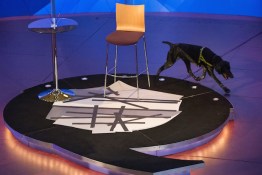
Welcome to the Spectator's live coverage of the special edition of Question Time with David Cameron, Ed Miliband and Nick Clegg. We'll be providing live analysis of the final TV programme with each of the party leaders from 8pm. This page will automatically reload.