The futility of terror
From our UK edition
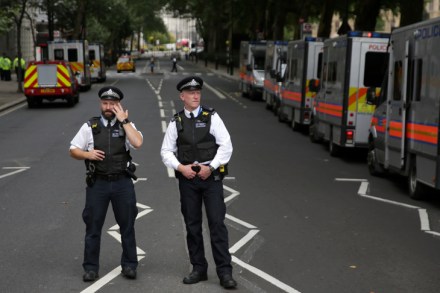
By now, the routine is familiar: a lone wolf strikes, roads are sealed off, buildings locked down and a biographical picture begins to emerge. Often, the perpetrator turns out to be born and bred in Britain. His astonished friends and neighbours say they saw no signs that he had succumbed to fanaticism. It later emerges that radicalisation happened incredibly quickly — perhaps inspired by online videos — and the terror plan was so low-tech that interception would have been impossible. How, it might be asked, can any country protect itself against such threats? But Britain has protected itself, both in thwarting such attacks and in blunting their impact. The latest attacker found the House of Commons protected by barriers.