Shiraz Maher

The Abu Hamza case shows that Britain has outsourced terrorism trials

From our UK edition

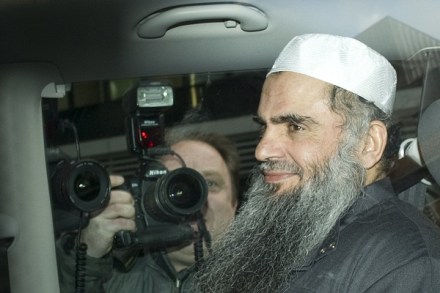
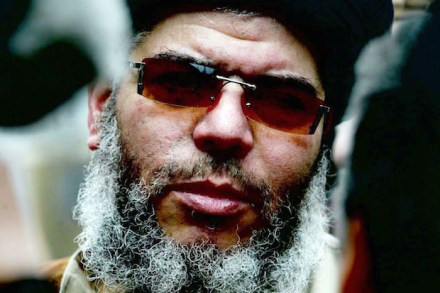
It must seem awfully peculiar to Americans that it should take their courts to convict Abu Hamza on terrorism charges, including a kidnapping he orchestrated in Yemen which resulted in the deaths of three British citizens. Both the Home Secretary and Prime Minister have welcomed yesterday’s verdict. Yet, to listen to them is to forget that it has taken more than 15 years and a foreign court to hold Abu Hamza to account for these crimes, circumstances which should be the cause of outrage – not celebration. This merriment is indicative of a discrete policy now being pursued by the Coalition which effectively outsources terrorism trials. In some cases there are legitimate reasons to extradite suspects, such as Abu Qatada who has charges to answer in Jordan.
Thanks to Syria, global jihad is experiencing a revival

From our UK edition

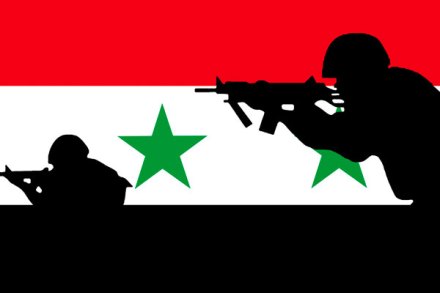
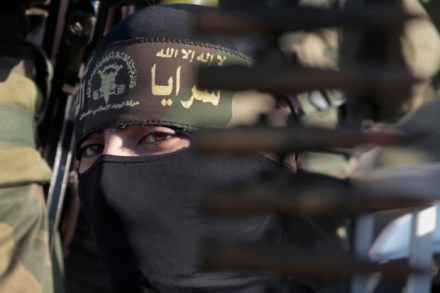
The arrest of two men last week on terrorism charges relating to Syria reveals just how serious the issue of foreign fighters has become. Estimates suggest that up to 366 young Muslims from the UK might now be participating in the Syrian conflict. There is a multiplicity of problems here. Aside from the obvious fears about young men training with terrorist organisations, the global jihadist movement is currently enjoying an unprecedented rebirth. Its membership is being replenished and it is not overstating the case to suggest al-Qaeda affiliates now control greater territory than they ever have in the past. It is tempting to turn a Nelsonian eye to the phenomenon. There is a view in some parts that radicalised young men should simply be allowed to leave the country and die in Syria.

Ignoring Islamic terrorism didn’t make it go away

From our UK edition

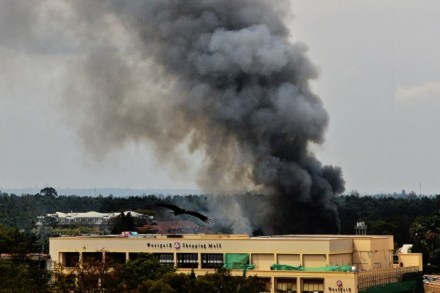
Not so long ago politicians were hailing the end of al-Qaeda and the global jihad movement. By the middle of 2011, key ideologues like Osama bin Laden and Anwar al-Awlaki were dead. Arab Street also appeared to have embraced peaceful protest, with popular uprisings unseating seemingly entrenched regimes in Tunisia and Egypt. A new dawn, we were told, was breaking. The weekend’s events have brought that hopeless optimism into sharp relief. The terrorist siege of the Westgate shopping mall in Kenya continues, with around 70 people dead so far. Elsewhere, at least 80 Christians were killed in a suicide attack outside a church in the Pakistani city of Peshawar yesterday.

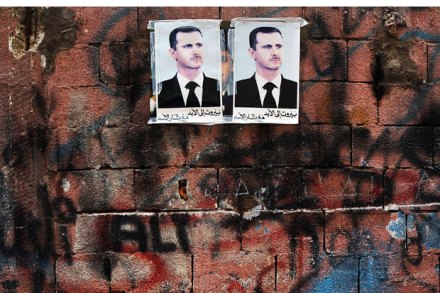
Hitting Assad – and hitting him hard – is urgent and necessary

From our UK edition

There has been lots of debate about our impending intervention in the Syrian conflict today. Many of my Coffee House colleagues have counselled against intervention, arguing against Danny Finkelstein’s piece in the Times yesterday. I’m in broad agreement with the general sentiment of the piece, but some of its subtexts need greater illumination. Leave aside Finkelstein’s argument about omission bias. For a moment, forget the ‘complexities’ of the conflict, imbibed as it is with sectarian differences, confessional rivalries, and great power posturing. Even the discussion of what should happen next in Syria can wait for another day. The use of chemical weapons against civilians is an affront to the very idea of civilisation itself.

Obama saying ‘never again’ won’t stop dictators

From our UK edition

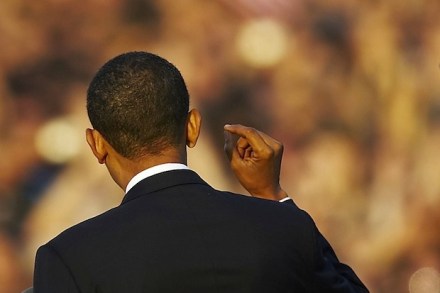
When he was still a Presidential candidate in 2008, Barack Obama evoked memories of Presidents John F. Kennedy and Ronald Reagan by addressing Europeans from Berlin. In what was then the largest audience of his campaign, around 200,000 people gathered to hear Obama ask, 'Will we stand for the human rights of the dissident in Burma, the blogger in Iran, or the voter in Zimbabwe? Will we give meaning to the words "never again" in Darfur?' Now into his second term, those are the very people Obama has betrayed throughout his presidency.

How the Egyptian army handed the Muslim Brotherhood a victory

From our UK edition

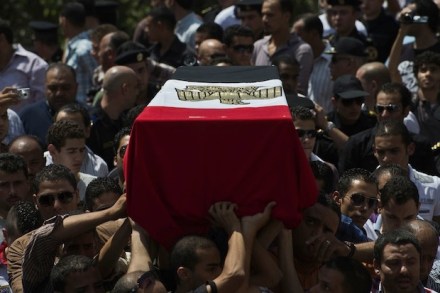
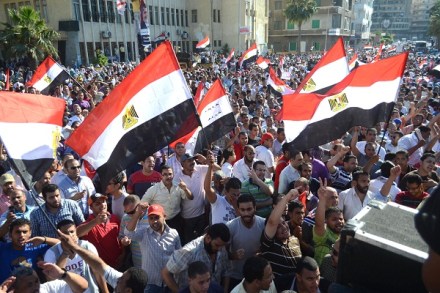
You don’t have to be a supporter of the Muslim Brotherhood’s clerical fashion to recoil at the draconian treatment of its members yesterday. Indeed, some reports now suggest that more than 500 people were killed with thousands more injured. By conspiring against it the army has inadvertently handed the Muslim Brotherhood a remarkable victory. Before he was forced from office, Mohammed Muris’s administration was failing in almost every respect. That is why ordinary Egyptians railed against it with the slogan ‘bread not beards.’ Even when those protests intensified there was value in letting Mursi’s administration run a little longer, if only to illuminate the full extent of its shortcomings.

The Muslim Brotherhood’s fight for existence

From our UK edition

Speak to members of the Muslim Brotherhood and you get a sense of just how imperilled they feel. Ever since Mohammed Mursi was overthrown, members of the group have come to believe they’re engaged in a fight for the Muslim Brotherhood’s existence. Indeed, there is a popular perception among Brotherhood members that the entire movement’s trajectory will be determined by what transpires in Egypt now. Western governments have traditionally indulged themselves with the fantasy of a stratified Brotherhood consisting of ‘extreme’ and ‘moderate’ elements. This view confuses strategic pragmatism with ideology. Focus on the group’s core beliefs and what you’re left with is a unified movement striving for the same Islamist endgame.

The Pentagon shows that Barack Obama missed his chance to tip the balance in Syria

From our UK edition

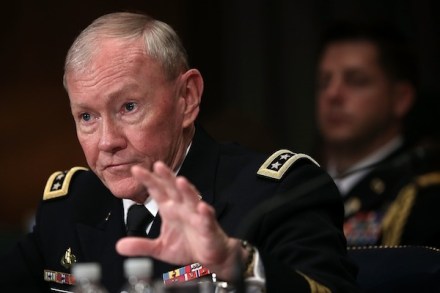
When General Martin Dempsey, Chairman of the Joint Chiefs of Staff, appeared before the Senate Armed Services committee last Thursday an intemperate exchange threatened to derail his bid for reappointment in the post. When Dempsey repeatedly declined to say what advice he had given President Obama on Syria, John McCain threatened to block the nomination. McCain later sent Dempsey a letter asking him to clarify what military options the Pentagon has considered in Syria. ‘The decision over whether to introduce military force is a political one that our Nation entrusts to its civilian leaders,’ Dempsey replied. ‘I also understand that you deserve my best military advice on how military force could be used in order to decide whether it should be used.

Egyptian coup underlines America’s diminishing influence in the Middle East

From our UK edition

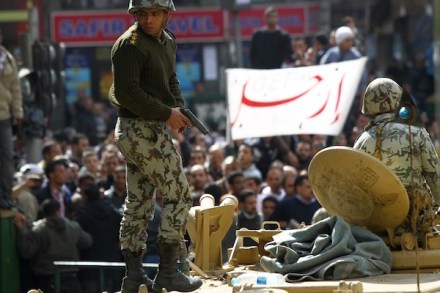
This week's coup in Egypt leaves President Obama’s administration in an awkward position. Although the State Department has insisted it remained neutral in the dispute, American taxpayers have been supporting the Egyptian armed forces since 1948 with more than $70 billion in military and economic aid. A further $1.3 billion of military aid is budgeted for next year. Obama has now instructed officials to review American aid commitments to Egypt. There is a delicate balancing act to be played here. Neither Obama nor the State Department called yesterday’s events a ‘coup’ because there are legal implications restricting U.S. aid to countries where an elected head of state is overthrown by a military coup.

Egypt’s institutions are so weak the army is all that’s left

From our UK edition

There’s a joke doing the rounds in Tahrir Square which goes like this: ‘Nasser, Sadat, and Mubarak all tried to destroy the Muslim Brotherhood, but only Mursi succeeded’. As protests against the world’s oldest Islamist party intensify, the Brotherhood is now learning the price of power after decades of being confined to the political wilderness. On the one hand there are very obvious reasons for the current discontent. Egypt’s fortunes have tanked since the revolution with its economy stagnating, rising inflation, increased corruption, and the near disappearance of its tourist industry. For all those invested in the revolution that swept away Hosni Mubarak it was never meant to be like this.

Obama’s decision to arm the Syrian rebels will do little to address the Hezbollah threat

From our UK edition

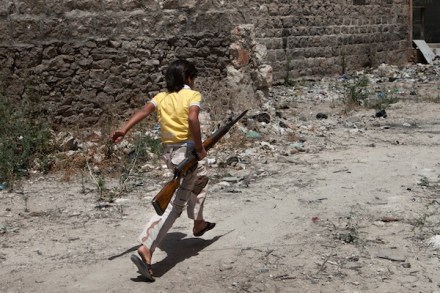
Two years too late and with less than full conviction President Obama has finally announced that his administration will aid the Syrian rebels with lethal force. This follows confirmation by the White House last night of what was already well known – that Bashar al-Assad has been using chemical weapons against his own people. Obama’s intervention will be of limited utility. Supplying rebels with heavy arms and anti-aircraft missiles principally help civilians exposed to air raids and scud missile attacks, but will not help the rebels make significant gains. This might be precisely what Obama wants, but he will struggle to limit the extent of American involvement now.

Countering Terrorism in Britain and France, by Frank Foley – review

From our UK edition

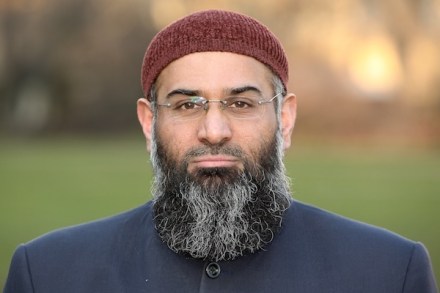
Have you ever wondered why we’re stuck with the radical cleric Abu Qatada? It’s a question the last four Home Secretaries will have asked as they battled, and failed, to deport him. Now Theresa May is learning just how stubborn the old curmudgeon can be. Indeed, the whole issue of deporting terror suspects is a difficult one. In the nine years that followed the 9/11 attacks, France deported 129 individuals considered to be threats to national security, while we removed just nine. The intransigence of British judges is not new. Long before the ‘War on Terror’ brought matters of international security to public attention, the French had been pursuing Rachid Ramda, an Algerian wanted for masterminding the 1995 Paris Metro bombings, through British courts.

It’s time for MI5 to abandon the disastrous ‘clerical honeypot’ strategy

From our UK edition

Douglas Murray has an important piece in this week’s Spectator looking at the stultifying political culture around counterterrorism. Civil servants frequently thwart ministers wanting to adopt a harder line against extremists while a number of radical groups remain legal despite repeated pledges to ban them. This cultural stasis is not confined to mandarins in Whitehall. Ever since 9/11 the police and Security Service have pursued a disastrous policy of cultivating ‘clerical honeypots’. The thinking behind it seems reasonable enough at first glance: leave extremist clerics to preach in the open and then you can easily identify the network around them, and the various actors within it.

Will the EU’s rescinding of the Syrian arms embargo have any impact?

From our UK edition

The EU has said it will not renew an arms embargo on Syria which ends this Saturday. That should pave the way for countries wanting to arm the rebels, something both Britain and France have been saying they will consider. It is a tired truism, but nonetheless one still worth restating, that not all the Syrian rebels are jihadists. This is precisely what has motivated Britain and France to explore ways of working with the rebels, although there are currently no plans to supply them with arms. But arming the rebels would be a mistake. It is clear Assad must go and that a future Syrian state will need to be recalibrated in his absence, but the fissiparous nature of the ongoing conflict makes it impossible to arm even trusted rebel groups.

Why engaging with the Muslim Brotherhood isn’t quite as simple as it seems

From our UK edition

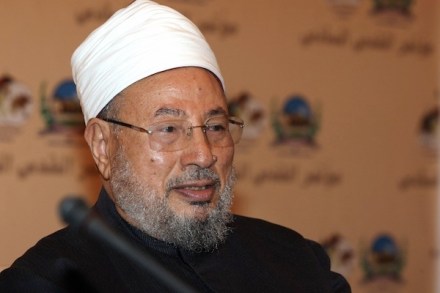
Conventional wisdom has long suggested that we should engage pernicious groups like the Muslim Brotherhood in order to defang them. Just talk to them, it is said, and you’ll discover they’re not as bad as they seem. Proponents of this view also believe that to engage reactionaries is to control them. Tell that to members of the Washington Institute for Near East Policy who tried to engage the Muslim Brotherhood earlier this week. They invited its Secretary-General, Helmy el-Gazzar, to Washington D.C. where it was hoped he would engage in a discussion about the future of Egyptian politics. They organised his visa, booked him business class flights, and arranged for him to stay in the comfortable surroundings of the Ritz-Carlton.

The real significance of Israel’s strikes on Syria

From our UK edition

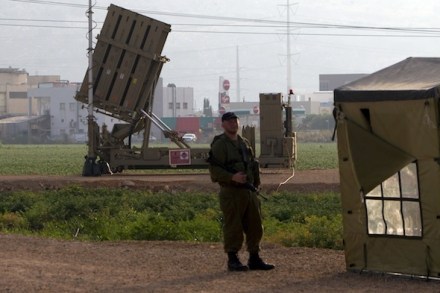
It is hard to overstate the significance of Israel’s surgical strikes against Syrian military positions over the weekend. The raids targeted missiles bound for Hezbollah in Lebanon while also destroying battery launchers and other delivery systems. Beyond the obvious damage this inflicted on Syrian military capabilities, its real significance lies in the broader political objectives it achieved. Benjamin Netanyahu made a strategic miscalculation last November when he launched Operation Pillar of Defence against Hamas operatives in Gaza. He failed to inflict any meaningful damage on the group while the Hamas administration secured a number of victories, not least hitting Tel Aviv.

What can Obama do about Syria?

From our UK edition

Even John Kerry is now confirming what was already long suspected: that Bashar al-Assad has used chemical weapons against his own people. In all likelihood, he has used Sarin nerve agents against rebel held areas in the north. That he would do so is no surprise. This is the most strategically sensitive area in Syria today, providing the principal route by which men, money, and munitions, slip into the country. If Assad can regain control of the northern areas bordering Turkey he will be able to resolve the conflict decisively in his favour. President Obama is caught in a dilemma. He publicly warned Assad that using chemical weapons would be a ‘red line’ precipitating intervention of some kind.

The glaring failure of the Arab Spring

From our UK edition

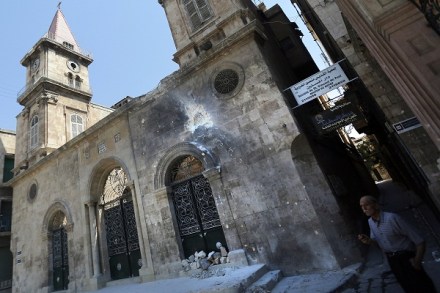
Two Bishops carrying out relief work in northern Syria appear to have been kidnapped by rebels, underscoring the increasingly sectarian dimension of the conflict. Syria’s minorities have long worried about their future if Assad falls, fearing a similar fate to that of their counterparts elsewhere in the Middle East. Indeed, of all the Arab Spring’s various let-downs the failure to protect minorities is perhaps the most glaring. The attacks on Christians in Egypt earlier this month which resulted in two deaths and left close to 100 people hospitalised epitomises the decay of any pluralistic promise the Arab revolutions may have once offered. Those attacks followed the effective eradication of Jewish life from Egypt last year.

Boston bombing suspects: what we know, and what we don’t

From our UK edition

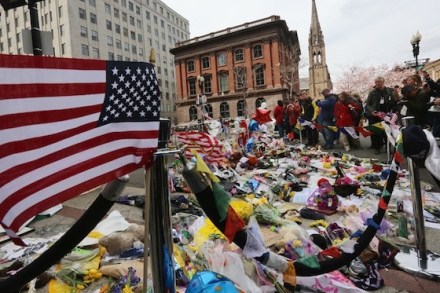
With the manhunt for the alleged perpetrators of the Boston bombings – Tamerlan and Dzhokar Tsarnaev – now over, a complex and confusing picture is emerging of the two men involved. Here’s what we know so far. 1. The older brother, Tamerlan, expressed concerns about the American lifestyle. Featured in a photojournalism essay about his love of boxing, Tamerlan told the reporter he was very religious and disliked taking off his shirt at the gym in case women got the wrong idea. He also said he given up drinking because ‘God said no to alcohol’. Tamerlan also expressed concern at American values, arguing ‘there are no values anymore...[people] can’t control themselves.

It’s time for universities to address segregation on their campuses

From our UK edition

There’s an interesting battle shaping up on university campuses over Islamic societies segregating their events. Today’s Guardian highlights the most recent example of this at the University of Leicester where men and women were directed to separate entrances for a lecture entitled 'Does God exist?' The speaker, Hamza Tzortis, is a member of the Islamic Education and Research Academy, a group which was itself banned from UCL last month after trying to segregate an event. This trend of segregating events in this country is a bizarre one. Even at Islam’s most holy site, the Grand Mosque in Makkah, entrances are not segregated nor is the pilgrimage performed inside.