Sebastian Payne

Podcast: the death of the left and Jeremy Corbyn’s first few days as leader

From our UK edition

What has happened to the left-wing of British politics? On this week’s View from 22 podcast, Nick Cohen discusses his Spectator cover feature with Fraser Nelson on why he is resigning from the left, following the election of Jeremy Corbyn as Labour leader. Why have some activists become intolerable of views that differ slightly from their hard-left perspective? Should those who have had enough of the Labour party join the Conservatives? And is Labour's shift to the left a temporary blip or a longer trend? James Forsyth and Isabel Hardman also discuss Corbyn’s first week as Labour leader and whether his new take on PMQs is something that will stick. Has Corbyn's poor performance in his first few days shortened how long he will remain leader?

Will Corbyn, Khan and McDonnell cause a Labour split on Heathrow?

From our UK edition

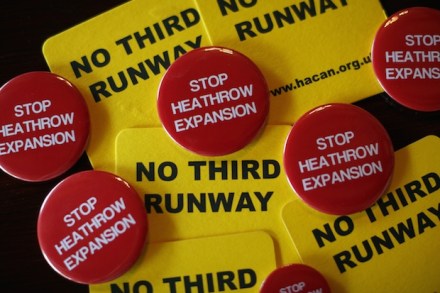
Heathrow expansion is one key policy area that is affected by the recent Labour elections. Sadiq Khan’s victory in the London mayoral nomination contest means that the London Labour party will be campaigning against a third runway. Tessa Jowell was tentatively pro-Heathrow but Khan made a pledge during the campaign to oppose a third runway — one that he would find it very hard to renege on. And assuming the bookies are right and Zac Goldsmith is selected as the Conservative candidate, all of the London mayoral candidates will be campaigning against Heathrow expansion (the Greens and Lib Dems are also likely to be against it). The Labour party overall is heading in an anti-Heathrow direction, thanks to the election of Jeremy Corbyn as leader.

Cabbies storm London City Hall over Uber row

From our UK edition

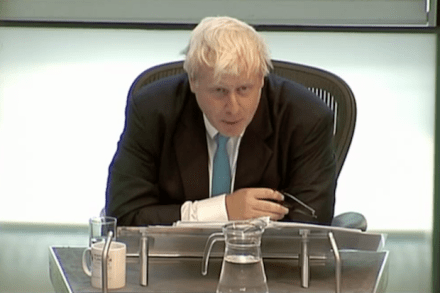
Boris Johnson’s war with black cab drivers stepped up a notch today. His monthly Mayor’s Question Time session was abruptly shut down after cabbies packed out the public gallery of London City Hall to protest about what they see as Transport for London’s unfair regulations for Uber. As the video above shows, Johnson’s description of the cabbies as ‘Luddites’ did not go down well at all and the London Assembly's deputy chair decided it should end. Steve McNamara, general secretary of the Licensed Taxi Drivers' Association, has told the Evening Standard Boris's ‘Luddite’ was to blame, saying it was not ‘the smartest of moves but it escalated out of all proportion’.

How will Cameron and the Tories deal with Corbyn at PMQs?

From our UK edition

Today is the first real test of Jeremy Corbyn’s leadership. At midday, it’s assumed he will take his place on the front bench for his first session of Prime Minister’s Questions with David Cameron. PMQs is the central event of the political week and today’s session is even more anticipated than usual. For the first time, the Tories have the opportunity to put their ‘security’ concerns directly at the new opposition leader — will they stick? Will Corbyn brush them off or fail to effectively respond? There is also a challenge for the Prime Minister because he is dealing with such an unknown quantity. Will Cameron be serious and respectful, or punchy and loud? His ‘Flashman’ persona is unlikely to score any points against Corbyn.

Jeremy Corbyn at the TUC: Cameron and Osborne are ‘poverty deniers’

From our UK edition

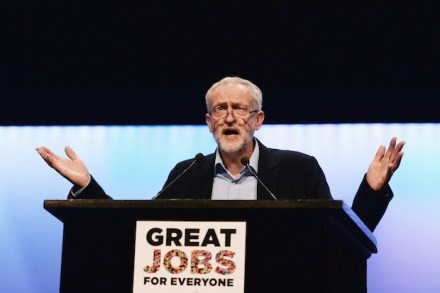
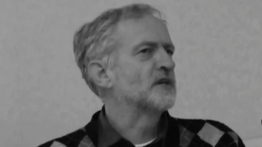
Jeremy Corbyn has delivered the second speech of his leadership at the TUC conference in Brighton this afternoon and it was a slight improvement on the first. The idiosyncratic address Corbyn gave after winning the Labour leadership contest was long-winded and repetitive. His TUC address shared some of these characteristics but it was a little bit more polished — in particular, the section where he slammed David Cameron and George Osborne for being ‘poverty deniers’: ‘They call us deficit deniers. But then they spend billions cutting taxes for the richest families or for the most profitable businesses. What they are is poverty deniers: Ignoring the growing queues at food banks. Ignoring the growing housing crisis.

EU referendum too close to call, according to new poll

From our UK edition

The new wording of the EU referendum question seems to have helped the Brexit cause. Since the Yes/No question changed to Remain/Leave, support for staying in the European Union appears to have ebbed away. According to a new ICM poll 40 per cent now say they'd vote for Britain to leave the EU, compared to 43 per cent who would vote to remain In. This three-point gap is within the usual margin of error for opinion polls, making it too close to say who is ahead. But happily for campaigners, 17 per cent said they still ‘don’t know’ how they will vote in the referendum. ICM conducted a poll based on the old wording two weeks again, in which 46 per cent said they would vote to remain in the EU, compared to 35 per cent who support leaving.

Frank Field: Tory MPs share Labour’s concerns on cutting tax credits

From our UK edition

The government will push forward with its plans to cut £6 billion in tax credits today and the Commons vote is one that will split both parties. Many Conservative MPs are privately worried about how the party will be viewed for slashing tax credits — even if they agree with it in principle — while some in Labour are worried they will once again be seen as the party who are unwilling to reform welfare.

David Davis: Labour has to accept issues with trade unions monopolies

From our UK edition

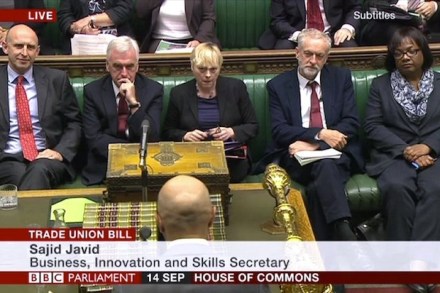
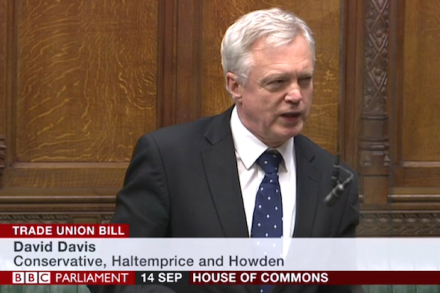
David Davis has one of the few Conservative opponents of the Trade Union Bill. The second reading of the bill is currently being debated in the Commons and the former home secretary popped up to clarify his position. After acknowledging that his public comments on the Bill had helped Labour — likening parts of it to something under General Franco’s Spanish dictatorship — Davis said the opposition had to accept that strikes can have a harmful impact on the public: ‘There is an issue when a monopoly – it doesn’t matter if it’s a private sector monopoly or public sector monopoly – goes on strike. The victim then is the public. It’s not the workforce because they tend to get their money back through overtime.

Labour turmoil dominates local government questions

From our UK edition

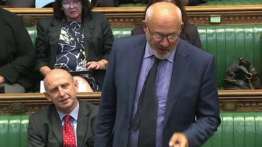
The new Labour front bench made its first appearance at communities and local government questions this afternoon. Jon Trickett was announced as the new shadow communities and local government secretary just before 1pm and by 2:30pm he was at the dispatch box representing his party. Given the limited about of time Trickett and his team had to prepare, they managed to do a good job quizzing the government about affordable housing, brownfield sites and local government cuts. But everyone’s mind appeared to be focused on what’s going on in the Labour party. The Communities and Local Government Secretary Greg Clark welcomed his opposite number: ‘The shadow secretary of state was once PPS to Peter Mandelson our members will recall.

The Tories aren’t leaving Jeremy Corbyn’s destruction to chance

From our UK edition

Jeremy Corbyn has been Labour leader for less than 48 hours and the Conservative party is already managing to set the tone of the debate. In a piece for POLITICO Europe today, I look at how the Tories are feeling about Corbyn’s victory over the weekend and their plans to deal with it. Some MPs feel sad that Labour is no longer a serious party. ‘Saturday was a sad day for our country and the Labour Party — I am not laughing,’ says one influential Tory MP. ‘The party of Ramsay Macdonald, Clement Attlee, Harold Wilson and Tony Blair has now been reduced to Jeremy Corbyn’. But any sorrow however is overwhelmed by jubilation that the next election appears to be in the bag for the Tories.

Jeremy Corbyn’s first shadow cabinet is going to be divisive

From our UK edition

Well, Corbyn really has gone for it. Although the new shadow cabinet is not made up entirely of hard-left appointees, the new Labour leader is taking his mandate seriously. Crucially, making John McDonnell shadow chancellor, whose has said some interesting things about the IRA and wants to nationalise the banks, is a bold move by Corbyn and not one that is going down well. On the Today programme, the former home secretary Charles Clarke said he was ‘aghast’ at the appointment of McDonnell and predicted that Labour MPs would end up creating their own economic policy alongside whatever McDonnell does. Even Corbyn’s new shadow foreign secretary Hilary Benn failed to defend McDonnell's appointment when directly asked twice.

Tom Watson covers for Jeremy Corbyn in the new Labour leadership’s first outing

From our UK edition

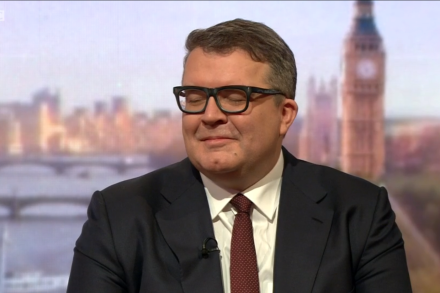
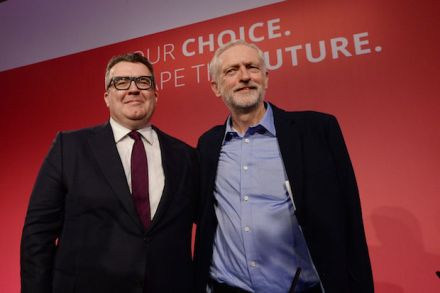
24 hours into his leadership and Jeremy Corbyn is already defying the conventions of being an opposition leader. He cancelled a long-scheduled appearance on the Andrew Marr Show — but found time to attend an event in his constituency — leaving it to the party’s new deputy leader Tom Watson explain to the nation what Labour has just done. Watson's appearance suggested he is not going to be an easily-controlled disciple — he has his own agenda to reform the Labour party. One of Watson’s main areas of concern is to reform the party's internal structures: ‘I’ve stood on a platform … I’ve got my own mandate to reform the Labour Party.

Podcast special: Jeremy Corbyn is Labour’s new leader

From our UK edition

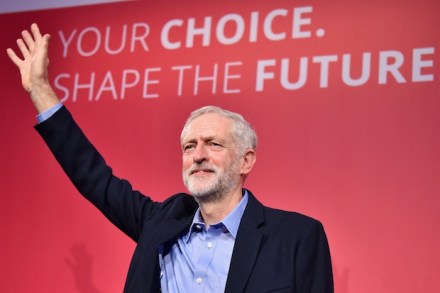
Jeremy Corbyn's momentous victory in the Labour leadership contest is going to have a dramatic effect on British politics. In this View from 22 podcast special, James Forsyth, Isabel Hardman and I discuss what Corbyn's victory means for British politics and the Labour party, as well as what we can expect to happen over the next few days. We also look at Tom Watson's victory in the deputy leadership contest and how he will work with the new leader.

Tom Watson: Labour’s new deputy leader who could save the party

From our UK edition

While Jeremy Corbyn's stunning victory has grabbed the headlines, Tom Watson's elevation to the deputy leadership is just as important for Labour's future. Unlike Corbyn, Watson did not win by a landslide in the first round. After Ben Bradshaw and Angela Eagle were knocked out in the first two rounds, the MP for West Bromwich East was elected with 51 per cent of the vote. Stella Creasy came second with 26 per cent and Caroline Flint third with 23 per cent. Watson was the favourite to win throughout the deputy leadership race and his victory looked to be an even greater certainty than Corbyn's. In his acceptance speech, Watson signalled at the two key tasks he will be focusing on.

Will a high turnout benefit Jeremy Corbyn tomorrow?

From our UK edition

Turnout in the Labour leadership contest is going to be one of the key factors in deciding who wins. The result of the London Mayoral contest suggests that the tens of thousands who've joined the party as members or registered supporters have, as expected, flocked in an anti-establishment direction — which has clearly benefited Sadiq Khan and points towards a Corbyn victory. Rumours are circulating that the turnout in the leadership is varying significantly between the various parts of the electorate.

Watch: Sadiq Khan on running against ‘charming’ Zac Goldsmith

From our UK edition

How is Sadiq Khan feeling about the prospect of taking on Zac Goldsmith, who is favourite to be the Tory London mayoral candidate? Shortly after he was unveiled as the Labour candidate, Sadiq Khan had a chat with Coffee House about his campaign. He seemed confident that he could beat Goldsmith but acknowledged he is a formidable opponent: 'I like Zac, he's a charming guy...let's wait and see what the Tory party do. They still believe in democracy, let them vote for their candidate. Once they choose — it's gonna be him, we know that — once they choose their candidate, well then see what happens. But, my key thing is to make sure I have a positive campaign — my policies, my priories for London rather than one dictated by who my opponent is going to be.

Sadiq Khan is Labour’s London mayoral candidate

From our UK edition

Sadiq Khan has just been announced as Labour’s London mayoral candidate. At an event at the Royal Festival Hall, the MP for Tooting was announced as the surprising winner by 59 per cent. Turnout in the primary was 77 per cent. Tessa Jowell was the bookies’ favourite and the frontrunner throughout this contest, but Khan may have benefited from the tens of thousands of new members who have joined Labour to back Jeremy Corbyn for leader. The result wasn't even close — Jowell came second with 41 per cent. Khan’s camp were confident throughout the contest that the new members would be unlikely to back Blairite Jowell and it appears they are proved right. As James points out, this suggests an easy win for Corbyn tomorrow: https://twitter.

David Cameron: Corbyn poses a threat to Britain’s financial security

From our UK edition

Jeremy Corbyn hasn’t even been elected Labour leader but the campaign to undermine him begins today. David Cameron will give a speech on the economy, in which he will warn that Corbyn will threaten Britain's security — a strategy I wrote about earlier this week. According to today’s Times, the Prime Minister will make his first significant attack on a Corbyn-led Labour by focusing on the threat to Britain’s financial security: ‘I have watched with some bewilderment the Labour leadership election of the past few months. 'Whoever wins . . . this is now a party that has completely vacated the intellectual playing field and no longer represents working people.

Liz Kendall says farewell to frontline politics (for now)

From our UK edition

Liz Kendall has all but admitted she is not going to be the next Labour leader. At a speech in Westminster this morning, the shadow care minister spoke about the future of the party and referenced ‘whatever happens on Saturday' — but she was no longer talking about her plans as leader. Kendall urged Labour to stick together after the new leader is elected, specifically if Jeremy Corbyn wins: ‘First, everyone must - and I believe will - accept the result and mandate of the new Leader. They will have won the right to pursue their agenda and must be given the space and scope to do so. If Jeremy Corbyn wins, it would be a huge mistake not to accept that result as legitimate.

Why Labour will lose in 2020

From our UK edition

If Jeremy Corbyn is elected Labour leader on Saturday, does this mean the party will lose the next general election? Lord Ashcroft has produced a new report, Project Red Dawn, which examines why Labour lost the 2015 general election and what it needs to do to win again. His findings all point to another defeat under Corbyn's leadership. Ashcroft's research says the single biggest reason Labour lost was Ed Miliband, who defectors said was not up to the job of Prime Minister. The Tories will undoubtedly do their utmost to paint Corbyn — who has less experience in office than Miliband — in exactly the same light. Defectors to the Conservative party were put off by the threat of Labour overspending.