Ruth Bloomfield

A house-hunter’s guide to haggling

From our UK edition

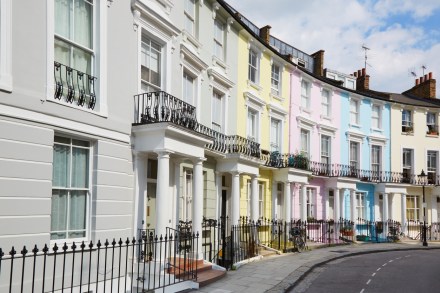
Not so long ago buyers were treating house-hunting as a blood sport – price ceiling-shattering bids and gazumping were commonplace everywhere from the Cornish coast to the London suburbs to the Lake District. But six months is a long time in property. Following the debacle of the mini-Budget and amid rising interest rates and soaring living costs, not to mention looming recession, the power balance in the market has firmly shifted. Vendors can no longer sit back and wait for the offers to pour in.  Buyers who don’t have to move are increasingly taking a wait-and-see approach. Those still up for a move are determined not to overpay, often hoping to factor in future price falls to insulate themselves against negative equity.


The truth about why we hate estate agents

From our UK edition

Once again estate agents have been named among the least-trustworthy people in Britain, rated in the public consciousness somewhere between politicians and journalists (ouch). Less than a third of people believe agents tell the truth, according to the annual Veracity Index from market research firm Ipsos Mori, which tracks consumer trust in particular professions – less than the same time last year. Many of us have our own horror stories of widespread chicanery in the sector: when moving house recently, for example, I was informed I would not be permitted to view a house I was interested in until I agreed to list my flat with the selling agent first.

Is North London’s housing market recession-proof?

From our UK edition

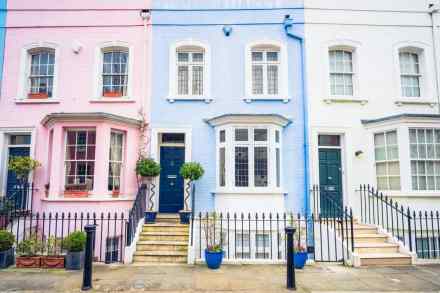
Of all the suburbs in Britain none has become quite so politicised as North London. This slightly leafy (and lefty) swathe in and around Islington – with Hampstead Heath marking its northern edge and Regent’s Park its southern boundary – is treated by our recent political leaders as a kind of shorthand for, to borrow a phrase from Suella Braverman, the ‘tofu-eating wokerati’. Liz Truss took a dig at her privileged metropolitan enemies who ‘taxi from North London townhouses to the BBC studio’ to criticise her, ignoring the fact that Islington is not all Upper Street boutiques and multi-million pound homes. Islington is one of London’s most deprived boroughs, and more than a third of children in Camden live in low-income families.

House of cards: why are so many property sales collapsing?

From our UK edition

Moving house is said to be one of the most stressful life experiences, right up there with bereavement and divorce. But what about the stress of not moving? Amid the upheavals of the past few months increasing numbers have seen their property ladder dreams collapse around their ears. According to market analyst TwentyCi there has been a ‘sharp increase’ in the number of deals falling through. More than 90,000 agreed sales disintegrated between July and September, an 18 per cent increase on the same period in 2019. Wendy and William Waterton know exactly what it feels like to be on the sharp end of a collapsing sale. In the past two years it has happened to them twice. The couple bought their one-bedroom starter flat in Woolwich, south-east London, for £320,000 in 2017.

Who wants to live in the Square Mile?

From our UK edition

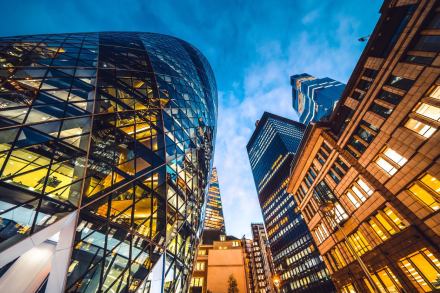
Mixing business with pleasure can be risky business. For decades the City of London has upheld this doctrine, religiously prioritising office space over new homes to preserve its reputation as a global financial centre. In his 29-year tenure as the City of London’s planning chief, Peter Rees famously allowed only one new residential tower to be built in the Square Mile: The Heron, a 285-apartment building which was completed in 2013. But the aftershocks of the pandemic – recent data suggests that the number of workers at their desks in the Square Mile’s offices is down by around a third; office vacancy rates stand at almost 10 per cent – have forced a rethink.

Lost property: where have London’s overseas buyers gone?

From our UK edition

It has been almost a decade since the first apartments at Battersea Power Station went on sale. Such was the excitement about its redevelopment that buyers queued in the chilly dawn for the chance to pick up a £343,000 studio flat or a £6 million penthouse. Most were from overseas, and in four days in January 2013 they collectively spent £600 million. These kinds of scenes are something London’s housebuilders and estate agents can today only dream of. Although we have moved on from worst ravages of the pandemic, and traveller numbers are very much in recovery, many foreign property buyers – for years the mainstay of prime London’s property market – remain missing in action.

The rise of the ‘neo-Geo’ country pile

From our UK edition

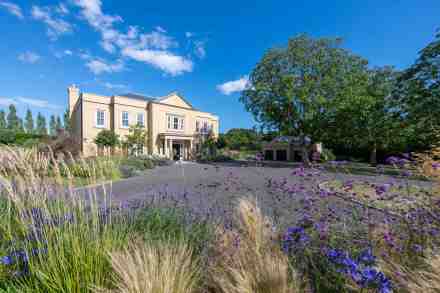
The Queen’s wedding gift to Prince Andrew and Sarah Ferguson in 1986 was a brand new 12-bedroom house in the Berkshire countryside. Sunninghill Park was an unfortunate mash-up of architectural styles, from its Tudor-ish chimneys to its vaguely Arts and Craftsy roofline and the monumental columns flanking its entrance. And how we laughed. It was the first time a royal had lived in a new build since Queen Victoria’s son Prince Albert moved into Bagshot Park in Surrey in 1879. The Duke and Duchess of York’s property was instantly nicknamed ‘SouthYork’ thanks to its resemblance to Southfork, the Ewing family ranch in Dallas.