Rose George

Very much like a whale

From our UK edition

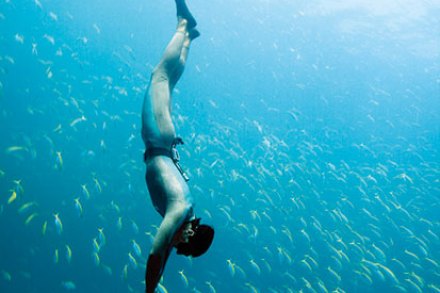
In principle, freediving is simple and perilous: divers take one breath, then dive as deep as they can, with no tanks or air, and come back up again. Watch a video of this — or Luc Besson’s 1988 film The Big Blue — and you have to hold your own breath, because it is beautiful, streamlined, pitiless: a human in the most powerful and unnatural element for humans. The beauty of freediving is that it does not look unnatural, but pure. What Adam Skolnick conveys in One Breath is how deceptive that is, and what a dreadful toll diving takes on the human body. He does this by telling the tale of one death, but also of the small freediving community that travels the world from one deep ocean hole to another to go as deep as possible, on one breath.
Lover and fighter

From our UK edition

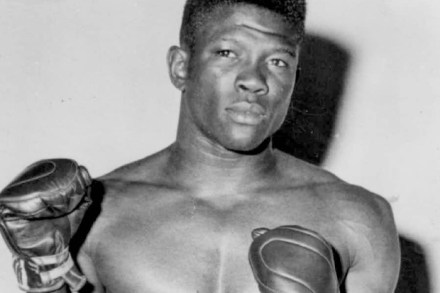
I don’t like boxing. If I ever get into a boxing ring, I’ll be in the corner with the governor of California, Edmund ‘Pat’ Brown, who in 1963 called for ‘the abolition of this barbaric spectacle’ because another man had just been beaten to death in the ring. That man was Davey Moore, who had defended boxing before it killed him on the grounds that no one stopped the Indianapolis 500 when racing drivers get killed. But another dead man is the focus of this book: our hero is the captivating, frustrating, brutal Emile Griffith, who we meet at the age of 22, ‘happy and beautiful’, and who one year later battered to death the Cuban fighter Benny Paret, the first man whose death was shown live on television (the second was Lee Harvey Oswald).

Suffering a sea change

From our UK edition

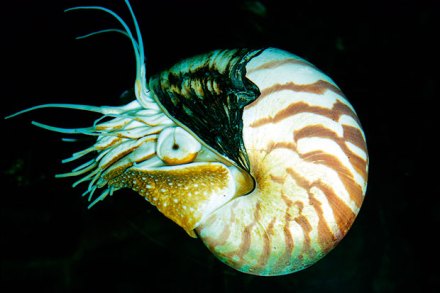
The oceans cover seven-tenths of our planet, and although it may not seem like it above the surface, they are very busy. Helen Scales and Christian Sardet are marine biologists: Sardet is apparently known as Uncle Plankton, and those multitudes of drifting organisms — ‘plankton’ comes from the Greek planktos, meaning to wander or drift — are his life’s work. Scales’s focus is the shell-making creatures that are molluscs, though focus seems an inappropriate word for such a vast body of life: a 1993 survey of just one island, New Caledonia, found 2,738 distinct species, and 80 per cent of them were new to science.