Robert Ryan

One love

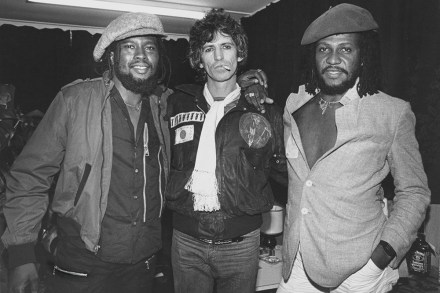
1972 was a watershed year for the Rolling Stones. On the face of it they should have been riding high: they had released Exile on Main Street to great critical acclaim and healthy sales – nearly a million copies in the first week alone – and undertook a lucrative US tour that became as famous for its off-stage excesses as for the music. The Tucson Citizen described one of the shows thus: “Outrageous. Picaresque. Jaunty. Flagitious. Taunting, teasing, tempting… an hour and a half of bad influence on your daughter and exquisite bacchanal rock from Mick Jagger and his band.
After a fashion

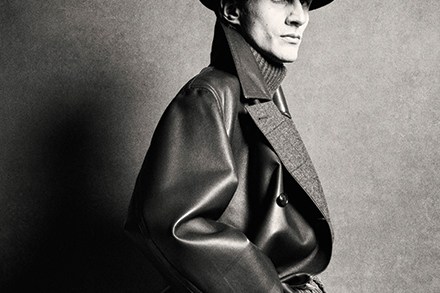
When the 1960s really began to swing, one of the most significant cultural shifts was the assault on the class barriers that had long straightjacketed UK society. The new “faces” that appeared on TV, in film, in magazines, and in the charts were mostly working-class lads – actors Michael Caine and Terence Stamp, musicians John Lennon and Mick Jagger, and in what would become regarded as the quintessentially ’60s profession (partly thanks to Antonioni’s 1966 movie Blow Up) photographers David Bailey and Terry O’Neill. One member of this cohort, however, was not of the gritty, “Straight Outta Stepney” variety, but born in upscale Belgravia.