Robert D. Kaplan

Aleksandr Solzhenitsyn’s masterpiece is finally appearing

In the mid-1970s, exiled from the Soviet Union for exposing its vast crimes against humanity, and having won the Nobel Prize in Literature for that endeavor, Aleksandr Solzhenitsyn turned his back on the lionization that awaited him in New York and other cultural capitals of the West and instead settled with his family in the woods of Vermont. Avoiding visitors for the better part of the next two decades, he churned out half a dozen or so books, averaging roughly 750 pages each, that together tell the story of the Russian Revolution and its antecedents. This act of sheer energy, self-discipline and renunciation of the conventional worldly pleasures bestowed by the literary elite was in the spirit of Russia’s own eastern monasticism.
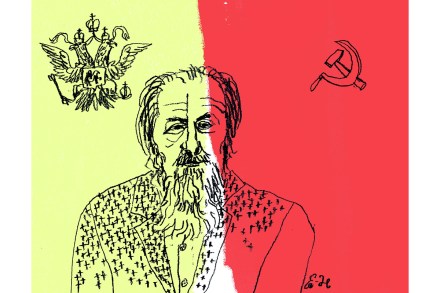
Solzhenitsyn

Central Asia’s geography after America’s defeat

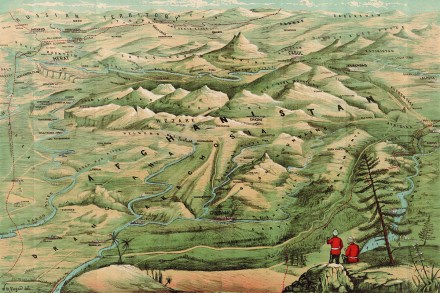
However much it is denied, we still live in an imperial age, at least metaphorically. Just as the withdrawal from Afghanistan registers the momentary decline of the American empire, it registers the momentary rise of the Russian and Chinese ones. America failed in Afghanistan because its military, while capable of fighting high-tech wars on land and sea, could not fix complex Islamic societies on the ground. Indeed, Afghanistan demonstrated how the deterministic elements of geography, culture and ethnic and sectarian awareness can vanquish Western ideals of democracy and individual liberty.

central asia

The return of the Blob

For decades, Washington think tanks were vital to a virtuous revolving door. Young policy professionals, both Democrats and Republicans, would serve time in government, then remove themselves to think tanks where they further honed their professional skills and rethought issues, then go back into government at a slightly higher level. Donald Trump’s election in 2016 put a spike in that revolving door, shattering its mechanism. Not only were Democrats barred from the Trump administration, but so were the most talented of Republicans who, having assumed Trump would lose, declared themselves in opposition to him and thus disqualified themselves from work in his administration.

blob