Richard Dowden

The sick man of Africa

From our UK edition

I dread attending meetings on Congo. At almost every one a Congolese will stand up and start to rail, then scream and weep. Some get very aggressive. The police were called to one meeting. For a while I was embarrassed and irritated. Now I think it is absolutely understandable, appropriate even. The Democratic Republic of Congo, the vast heart of Africa, endowed with some of the richest ores and most fertile land on the planet, lies broken and ungoverned. Congo has the lowest GDP per capita in the world and lies at the very bottom of the UN’s Human Development Index. The rest of Africa is now doing better. More and more Africans have a better life than they did ten or 20 years ago.

After Mandela

From our UK edition

It produced one of the greatest leaders of the 20th century. It fought a violent race-based dictatorship and replaced it with the most liberal constitution the world has ever known. Its song, a poignant Christian hymn, became South Africa’s national anthem. Since it came to power in 1994, about two thirds of South Africans vote for it. Yet now, as it lavishly celebrates its 100th birthday this week, it has a reputation for corruption and incompetence. So whatever happened to South Africa’s African National Congress? The ANC was formed as the Native National Congress by urban middle-class Africans and chiefs to protect and promote African interests after the Boer War, when peace between Boers and the British came at the price of African rights to own property and vote.

Three decades of murder and misrule

From our UK edition

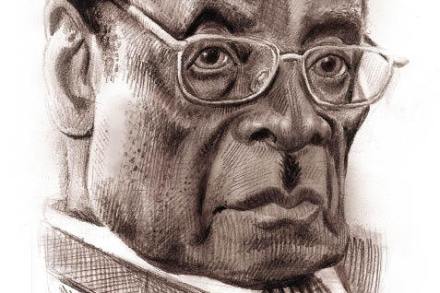
Next week marks 30 years since Robert Mugabe was elected Prime Minister of Zimbabwe. Last month was 20 years since Nelson Mandela left jail. The two men have much in common. Both are nationalist leaders who fought white rule in southern Africa. Both served long periods in prison, Mandela 27 years, Mugabe 11. Both emerged and won elections and then offered their white oppressors the hand of forgiveness and friendship. Both created governments of national unity to deal with rival movements: in South Africa Mandela faced the Zulu Inkatha movement. In Zimbabwe Mugabe brought into his Cabinet the largely Ndebele Zimbabwe African Patriotic Union (Zapu). Most observers had predicted a bloodbath in both countries. That had seemed the most logical of all the scenarios.

Downhill all the way?

From our UK edition

Martin Meredith ended his 1984 book on Africa, The First Dance of Freedom, with a quote from a recent report by the Economic Commission for Africa which looked ahead to the continent’s future over the next 25 years. On existing trends, it predicted, poverty in rural areas would reach ‘unimaginable dimensions’, while the towns would suffer increasingly from crime and destitution. ‘The picture that emerges is almost a nightmare.’ Africa has not disappointed Meredith. Twenty years on he is able to conclude this volume on the cheerful note that ‘African governments and the vampire-like politicians who run them are regarded by the populations they rule as yet another burden they have to bear in the struggle for survival’.