Richard Bratby

Richard Bratby is the chief classical music critic of The Spectator

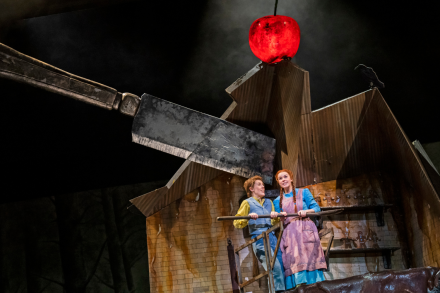
Featherweight fun: La Cenerentola, at Nevill Holt Opera, reviewed

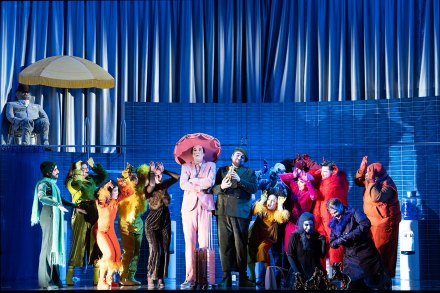
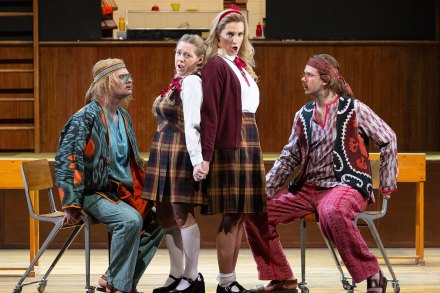
‘Goodness Triumphant’ is the subtitle of Rossini’s La Cenerentola, and you’d better believe he delivers. It’s the sweetest thing imaginable; true, the stepsisters are awful, but their spite bubbles over in streams of such sunny major-key effervescence that it’s hard to hold it against them. As for their father Don Magnifico, you can’t seriously hiss

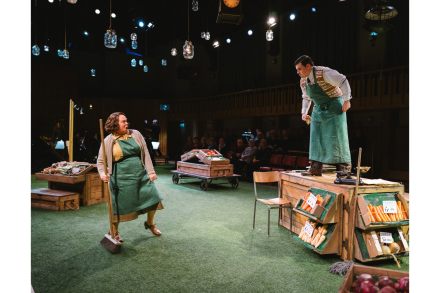
Electrifying: the Grange Festival's Queen of Spades reviewed

In opera, as in so much high-budget entertainment, expectation management is half the battle. With its massive Greek Revival mansion, approached through miles of rolling parkland, The Grange Festival has the grandest setting of any of the summer festivals; and that might have something to do with why the opera served up there has so

Why the Chester Mystery Plays are more popular than ever

Hang around for long enough at Chester Cross, and theatre is pretty much guaranteed. It’s a Saturday morning in May: a human statue holds his pose, a remote-control buggy zips about advertising the spring sale at MenKind and three connoisseurs of discount cider are making their views known from the bench outside St Peter’s Church.

To die for: Grange Park Opera's Tristan & Isolde reviewed

There are a lot of corpses on stage at the end of Charles Edwards’s production of Tristan & Isolde for Grange Park Opera. At this stage in the drama, directors tend to fade out the bloodbath, the better to focus on Isolde’s final dissolution into bliss. But as Michael Tanner argues, Tristan, like the Ring,

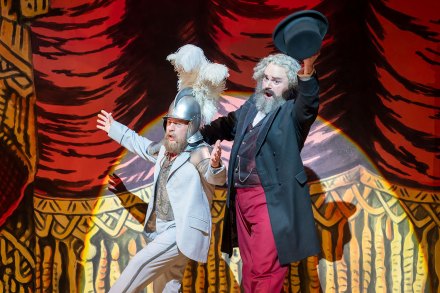
Florid flummery: ETO's Il viaggio a Reims reviewed

Lightning sometimes strikes twice. English Touring Opera hit topical gold last spring when, wholly by coincidence, they found themselves touring with Rimsky-Korsakov’s Russian anti-war satire The Golden Cockerel. Now the company’s general director Robin Norton-Hale insists that their current tour of Rossini’s Il viaggio a Reims – written in 1825 to celebrate the coronation of

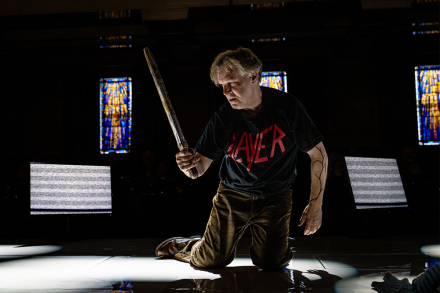
Crapcore: ENO's The Rhinegold reviewed

Tubas and timpani thunder in The Rhinegold as the giants Fasolt and Fafner, having built Valhalla, arrive to claim their fee: Freia, goddess of beauty and youth. It doesn’t go well. Suddenly Fasolt drops his defences and declares his yearning (the translation is John Deathridge’s) for ‘a woman who’d lovingly and softly live with us