Rhiannon Williams

Off days

From our UK edition

The modern school is, unsurprisingly, a very different place to even ten years ago — largely thanks to the rise of technology. Where corridors once rang with the sound of laughter, they now buzz with the ping, ping, ping of WhatsApps, Snapchats and texts as students message each other in an ever-revolving cycle of communication. While the leisurely use of smartphones in the classroom is a universal no-no, some schools have taken matters into their own hands to focus pupils’ minds and improve their performance by issuing blanket digital detoxes across the board. But are they right to do so? In January, headmaster Gregg Davies made headlines with his decision to ban pupils at Shiplake College in Henley-on-Thames from using their phones between 8.15 a.m. and 5.45 p.m.

Tongue-tied

From our UK edition

Picture the scene: an Englishman loudly-ordering food in a Parisian restaurant. The waiter rolls his eyes at the customer’s stubborn commitment to soldiering on in English, and everyone in the-vicinity has the good grace to look suitably embarrassed. This may sound like a tired 1970s stereotype. Except, tragically, it’s just as likely to serve as a prophecy for our future. Three quarters of the UK’s residents are unable to hold a conversation in any language other than English. This reluctance — or lack of interest — is echoed in this summer’s academic results. This year the number of entries to French GCSE exams fell by 8.1 per cent compared to 2015, while German entries dropped by 7 per cent.

Pushing the right buttons

From our UK edition

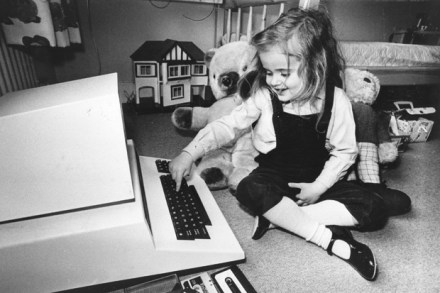
My first memory of a computer is of a hulking Acorn PC that dominated a corner of my primary school classroom. I remember crafting a story about ghosts on the beige keyboard before saving it to a floppy disk, which was filed away by the teacher for safekeeping. That was in 1995, and washing machines now easily outpower that Acorn. Yet it’s not only the gadgets in our schools and colleges that have advanced as tablets, interactive whiteboards and internal mail systems make relics of blackboards and personal planners. From September, Information and Communications Technology classes (ICT) will be replaced with Computing as part of an initiative to teach children how to create their own programs, instead of just learning to use other people’s.