Olivia Potts

Olivia Potts

Olivia Potts is the Guild of Food Writers’ Cookery Writer of the Year 2025. She hosts The Spectator’s Table Talk podcast and writes Spectator Life's The Vintage Chef column

With Paul Feig

From our UK edition

25 min listen

Paul Feig is an actor, comedian and acclaimed filmmaker. He has directed films such as Bridesmaids, The Heat and the 2016 remake of Ghostbusters as well as episodes of Parks and Recreation and The Office.  On the podcast, Paul talks to Lara and Olivia about growing up thinking food was bland, the secrets of on set catering and how to make the perfect Martini.

How to poach peaches (and why you should)

From our UK edition

I’ve never been very good at leaving things be. I tend to gild the lily. I may plan to do something simple, but I always find myself adding to it, primping, faffing. This is true in every area of life, but never more so than when I’m cooking. For that reason, this time of year can make me a little uncomfortable. When summer arrives in earnest – as opposed to those brief, misleadingly sunny weekends of late April and mid-May – we are inundated with beautiful fresh fruit. Right now, it’s strawberries, gooseberries, peaches and cherries; raspberries, blackcurrants and figs are just around the corner. And we are told over and over that it is impossible to improve on ripe, raw fruit, fresh from the tree.

With Aidan Hartley

From our UK edition

23 min listen

Aidan Hartley is a writer and entrepreneur. Born in Kenya, he grew up in Africa and England and has worked as a reporter for Reuters all over the world. Aidan has also written The Spectator’s Wild life column for the past 21 years. On the podcast, Aidan talks about spending his younger years on safaris in the wilderness, where mealtimes consisted of handfuls of rice cooked from metal tins on an open fire.As a reporter, he talked about reporting on famine in Somalia and why that led him to where he is now – living on a remote family farm, as a disciple of John Seymour’s guide to self-sufficiency.

How to turn your pineapple into a showstopper

From our UK edition

You can’t please me: the grass is always greener. I spend the summer months longing for a time when crumbles and stew, cardigans and the big duvet, are not only welcome but required. Then as soon as we hit the autumn and the weather changes, I’m trying to hold onto the last vestiges of sunshine. This, I suppose, is as close as I can get to a compromise, a middle ground: pineapple, peeled but whole, still sporting its Sideshow Bob haircut, roasted until cooked all the way through, and caramelised on the outside. Served hot with ice cream, or boozy cream, and drizzled with the spicy, dark glaze that drips off during cooking, it captures all the flavours of summer and yet still delivers warmth.

With Thom Elliott

From our UK edition

33 min listen

Thom Elliott is the co-founder of Pizza Pilgrims. On the podcast, Thom tells Lara and Liv about growing up above a pub, learning to make pizza while touring Italy with his brother, and starting Pizza Pilgrims on his lunch break.

Greek salad: the ultimate heatwave dish

From our UK edition

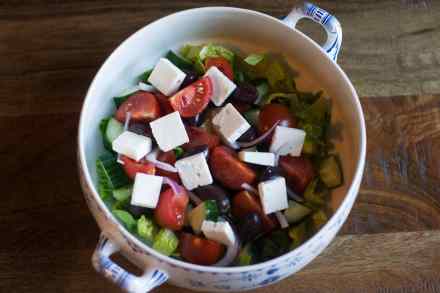
Good lord, it’s hot. I mean, really, really hot. Right now, the heat is so overwhelming as to feel like it is tangible, as if you could reach out and touch it. All we’re capable of talking about is the heat; any other polite conversation is too much for our fried brains. Normally, when our annual heatwave hits, I proffer some halfway house of a recipe: a dish that only needs the hob, not the oven, or is sufficiently refreshing or brightening that it justifies the added kitchen heat. But, this year, even that compromise seems unmanageable.

Sundae best: how to make a knickerbocker glory

From our UK edition

I grew up by the seaside. More precisely, I grew up near South Shields, on the north-east coast – somewhere which is British summer beach country for one, maybe two days a year, and salt-lashed and grey for the rest of it. But come rain or shine, ice cream is a permanent fixture. Ice cream was such an important part of life that the first school trip I ever went on, aged three, was to an ice-cream factory. I remember being handed an ice cream as big as my (admittedly then quite small) head, and vehemently declining the bright red sauce offered, known locally as ‘monkey blood’. A kindly nursery nurse reassured me it was just raspberry sauce, but I simply wasn’t taking the risk.

With Lily Dunn

From our UK edition

19 min listen

Lily Dunn is a writer, teacher and lecturer in creative writing and narrative non-fiction at Bath Spa University. Her latest book Sins of my father: a daughter, a cult, a wild unravelling is out now. On the podcast, Lily talks about her first memories of picking blackberries in Cornwall, her love for all kinds of toast and her culinary experiences in Italy.

Lemon drizzle cake: how to bring out the zing

From our UK edition

Call it nominative determinism, but a lemon drizzle cake is perfect for disappointing, drizzly weather. It’s cheering: brightly flavoured, and packed with zest, but still comforting, filling your home with a warm citrus scent as it bakes. It’s also a more enjoyable food-based activity than picnics or barbecues when winds are high. A lemon drizzle cake is really just a pound cake – equal quantities of butter, sugar, eggs and flour – that’s then spritzed up with zest and juice. But it’s a pretty glorious one, managing to be both zingy and sweet, light and sticky.

The trick to making good focaccia

From our UK edition

Focaccia is one of my favourite breads: glossy and golden on top thanks to the olive oil, but firm and crisp, with a chewy, aerated, oil-soaked crumb with a real spring. You should be able to squish a good focaccia with your hand and watch it slowly rise back up to its former glory. Focaccia’s a brilliant bread to make if you’re a little nervous of yeast and dough: the ‘shaping’ of focaccia is far easier than that of a traditional loaf, or even a ciabatta or baguette. To make focaccia, you spread your dough out in a tin – an imprecise art – and then paddle it with your fingers, creating divots and dimples.

With Olia Hercules on #CookForUkraine

From our UK edition

22 min listen

On a slightly different episode of Table Talk, chef and food writer, Olia Hercules joins Olivia Potts for a second time on the podcast to talk about #CookForUkraine. Created with Russian friend and food writer Alissa Timoshkina, #CookForUkraine encourages people to post and share Ukrainian recipes and celebrate the comfort of food during this difficult time. On the podcast, Olia tells Olivia about the personal cost of the war on her and her family, how she grappled with guilt when cooking at the start of the war, and the ways we can offer support to the besieged cities in Ukraine.For more information about Olia, visit her Patreon account here.

Five tips for a sumptuous summer barbecue

From our UK edition

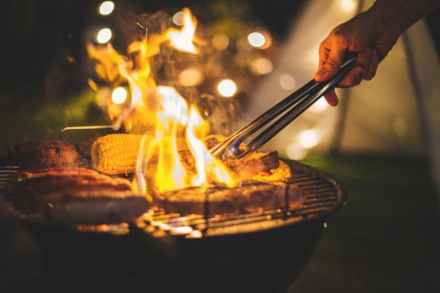
The sun is set to shine again this weekend, and those lucky enough to have access to a garden are turning their minds to al-fresco dining. So we’ve gathered together our top five tips to help you pull off your weekend barbecue – everything from how to get the best out of your meat, to barbecue-friendly puddings. 1. Marinating Marinating meat (and veg!) is a no-brainer when it comes to injecting flavour quickly and easily: using punchy spices, herbs, sugars and salts and letting them get to know the raw meat is minimal work for maximum reward.

What are the true ingredients of a Bakewell tart?

From our UK edition

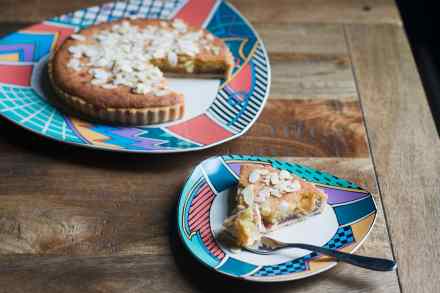
Northerners take their puddings seriously: Eccles cakes from Manchester, sticky toffee pudding from Cartmel, and Bakewell tart from Derbyshire. These hyper local puddings have been adopted by sweet tooths all over the country, but woe betide anyone who tries to mess with their traditions. In this, Bakewell tart provides its own challenges: the locals call it a pudding, and many will argue that it should have a puff pastry base rather than the shortcrust that it tends to have elsewhere, and even feature custard rather than frangipane. And we also have to contend with another variety – those made famous by Mr Kipling, which use a cherry jam, and decorate with a thick layer of fondant icing and a glace cherry.

Why you should never buy scotch eggs

From our UK edition

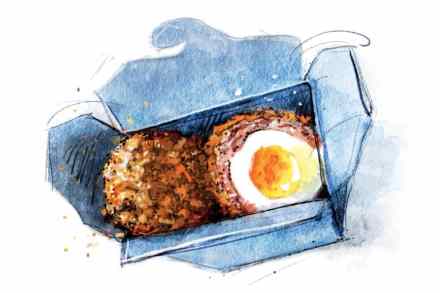
One of the perils of being a recipe writer is that people regularly ask me why I bother making things from scratch, because ‘You can buy that in the supermarket’. Now, let’s put aside the obvious question – do they think I’m not aware of supermarkets? – and engage with the issue. I love supermarket food. There are many products which are simply better shop-bought: baked beans, mango chutney, Jaffa Cakes. Countless chefs and home cooks have tried to improve on Heinz tomato ketchup; all have failed. There are also supermarket foods which, while not necessarily better-tasting, are simply radically more convenient. Oven chips, say, or filo pastry. But consider the Victoria sponge. A shepherd’s pie. The humble crumble.

With Nell Hudson

From our UK edition

21 min listen

Nell Hudson has starred in Outlander, Victoria and the latest Texas Chainsaw Massacre film. Her debut novel, Just for Today, is out now: it’s about a group of twenty-somethings in London, having 'heady, reckless fun'. Nell speaks to Lara and Olivia about how she’s enjoying veganism and the one meat she misses, growing up on a farm, a peculiar childhood diet and the lonely eating habits of an actor.

Why your summer pudding needs a splash of elderflower

From our UK edition

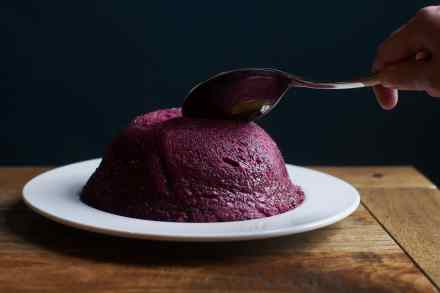
Is there a sight more pleasing, more cheering, than the vermillion dome of a summer pudding? Its vibrant colour cannot fail to raise a smile, even on dreary June days, suggestive as it is of all that is best about the British summer when it plays ball: gluts of sweet, juicy fruit, that sweet-sour tightrope that our summer crops walk so deftly, long lunches in the garden, and sticky fingers. Each time I make a summer pudding, I am convinced it won’t hold. That, after a day of soaking, the flimsy bread frame will give way, spilling forth its berry contents all over the plate. Each time I turn out the pudding, I am freshly delighted and surprised; triumphant, as if it is my structural skill rather than berry juices that is to be congratulated.

Tarte au citron: serve up a slice of sunshine

From our UK edition

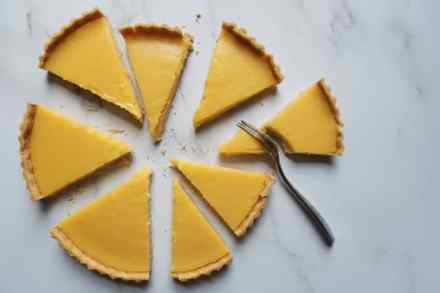
There is something inherently uplifting about a lemon. Even in literal or figurative dark times, lemons shine bright – little bumpy orbs of joy that cry out from the fruit bowl or the greengrocers to be turned into something mouth-puckering or, once paired with enough sugar, that perfect balance of sweet-sour. Perhaps I am overly sentimental, but lemons always strike me as cheering, and full of promise. Lemon curd was one of the first things I learnt to make when I began cooking, but I’ve held off turning it into a tart for a while, unable to work out how to create the exact pudding I wanted to eat. For a long time, I have wanted to make this perfect lemon tart, but have been thwarted in my attempts.

With Nuno Mendes

From our UK edition

29 min listen

Born in Lisbon, Portugal. Nuno Mendes grew up on a farm which inspired a passion and understanding for food. He attended the California Culinary Academy in San Francisco but after over a decade in North America, he decided he wanted to return to Europe. Moving to London, Nuno founded the cult domestic pop-up known as The Loft Project and later went on to take over the restaurant at the Chiltern Firehouse, and his latest venture Lisboeta has already made the Estrella Damm awards shortlist. On the podcast, Nuno talks about his Portuguese roots, his love of Japanese cooking and how he could see London's gastronomic revolution coming.

The sheer delight of Cherries Jubilee

From our UK edition

Cherries Jubilee is a dish with real heritage. Perhaps unsurprisingly, given its name, it was created to celebrate a jubilee: it is thought to have been created by Escoffier for Queen Victoria’s golden jubilee celebration in 1897. It consists of cherries cooked in flaming brandy, and then served warm over vanilla ice cream, although in the original dish it was even more pared down, lacking the ice cream element. The dish is flambéd, which means that the alcohol from the kirsch is ignited with an open flame, and cooked off quickly.

The ingredient that guarantees the flakiest Eccles cakes

From our UK edition

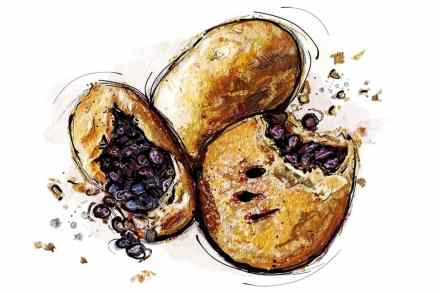
When I first made Eccles cakes, I’m not sure I really knew where Eccles was. I certainly didn’t think I’d end up living there a few years later. The only Eccles cakes I’d encountered were at train station coffee kiosks, or at London’s St John restaurant, where they are a permanent fixture on the menu. Don’t tell my neighbours. In Eccles, the cakes are ubiquitous. They’re such a part of the regional identity that as far back as 1838, a guide to British railways journey stated simply: ‘This place is famous for its cakes.’ My kind of place. And today, whatever the season, Eccles cakes still line the entrances to the local supermarkets. Eccles is a small town in Greater Manchester, formerly part of the country of Lancashire.