Ollie Lewis

Oliver Lewis was the UK’s deputy chief negotiator in trade talks with the EU in 2020

Keir Starmer has walked into the same Brexit trap as Theresa May

From our UK edition

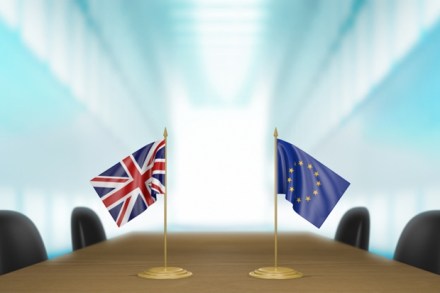
One of the most depressing concepts in physics is entropy – the principle that all systems tend toward disorder and breakdown. That’s all I could think of while reading today’s headlines praising the so-called “reset” deal between the UK and the EU. I know the tricks of the EU's trade – and “tricks” is the key word here We’re being told this deal represents a new direction for Britain and its neighbour, a “new era”. It’s nothing of the sort. If anything, this “deal” is more of a repeat than a reset, a continuation of a long story of sellouts. I can claim some experience here. Having served as the UK’s deputy chief negotiator in the trade talks with the EU in 2020, I spent hundreds of hours sitting opposite the EU’s negotiating team.
Donald Trump faces a big problem in his meeting with Kim Jong-un

From our UK edition

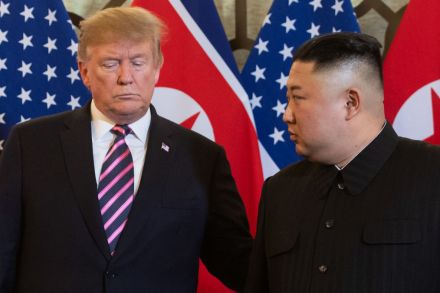
Donald Trump's meeting with Kim Jong-un in Hanoi is a diplomatic triumph for Pyongyang. For the second time in under a year, the North Korean leader gets to strut his stuff on the world stage. Kim Jong-un is able to stand next to President Trump as – in his imagination – an equal. The Americans, for their part, have had to come to the table and are going to (among other things) likely hear demands for them to reduce their military presence in and around Korea. No, it’s not dignified, but what else can the president do? Can anything come from these talks? Maybe. Both sides clearly want there to be some progress in the today.

Brexit: The Uncivil War didn’t reveal the truth about Vote Leave

From our UK edition

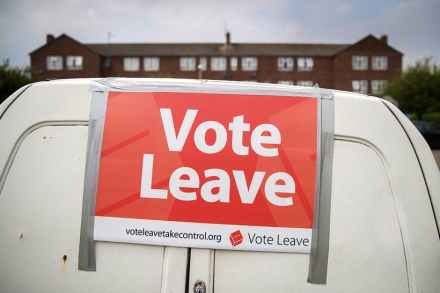
Brexit: The Uncivil War makes a big claim right at the start: to show us what really happened in the EU referendum two years ago, and to give us insight into the inner workings of the Vote Leave campaign. It’s an enticing offer but (ironically for a film about allegedly dodgy campaign pledges) I’m not really sure it ever really delivers on this promise. Now, I admit that I’m as far away as possible from a ‘neutral’ or ‘impartial’ reviewer. Having campaigned for Brexit long before ‘Brexit’ was even a word, and having served as the Research Director of Vote Leave, I realise it’s pretty much impossible for me to approach this drama with a completely open mind. I’m also a close friend of the hero (villain?

Can Kim Jong-un be trusted?

From our UK edition

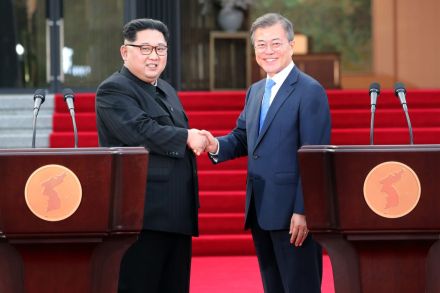
There are big things happening on the Korean peninsula. Today's declaration of peace is a massive moment in Korean history, and it is being greeted with tremendous excitement (my wife, who is from Seoul, was physically jumping with joy at the news). You can understand why people are getting so worked up. After all, it’s the first time since 1950 that both countries will be formally at peace, and the spectacle of the two Korean leaders crossing the border while holding hands was an emotional sight. But at the risk of sounding contrarian, I can’t help but think that everyone needs to calm down a bit. Yes, these talks are important – historic even – but they don’t necessarily spell the end of North Korea acting like a rogue state.

Ten myths about Brexit

From our UK edition

  1. Leaving the EU would hurt the UK’s ability to trade with it.  The fearmonger’s favourite argument. But fear not: the global economy has changed dramatically since Britain joined the EU in 1973, seeking entrance to a common market. The World Trade Organisation has brought down tariff rates around the world; even if we didn’t sign a free-trade deal with the EU, we would have to pay, at most, £7.5 billion a year in tariffs for access to its markets. That’s well below our current membership fee. 2. Three million jobs will disappear.  A bogus figure, heard often from the likes of Nick Clegg.

An EU referendum isn’t ‘bad for the economy’ – businesses want it to happen

From our UK edition

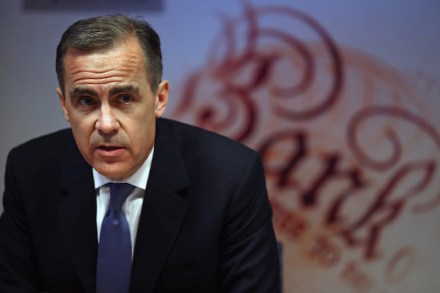
Mark Carney has been a very successful Governor of the Bank of England. Since coming to office in June last year, the British economy has gone from strength to strength. Although Mr Carney can’t take all the credit, on his watch unemployment is falling rapidly and business confidence is at a record high. His appointment and policies have been met with general approval by the UK’s business leaders, which is to be welcomed. So it is a shame that yesterday there were reports that the Governor thinks an EU referendum would be ‘bad for the economy’. The claim stems from the Governor’s comments on the Andrew Marr show on Sunday.

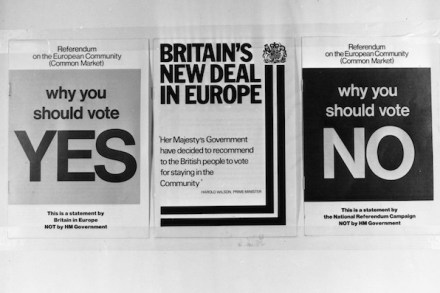
Why David Cameron can’t copy Harold Wilson on EU renegotiation

From our UK edition

It’s at times like this I’m glad I’m not a Europhile. I imagine that Lord Lawson’s article in today's Times is causing Brussels-lovers up and down the land a number of headaches this afternoon, not least because it is incredibly detailed and hard to find fault with: The EU’s desire for 'ever-closer union' is undiminished? Accurate. British businesses are being hindered by the EU’s daft regulations? Very true. We need to start looking beyond Europe for growth opportunities? Another tick. From a purely economic perspective, Lord Lawson’s argument is spot on. However, there is a political problem with Lawson’s article which I can’t seem to get my head around - why can’t we try to renegotiate our way of these meddlesome directives?

Rhee’s calls for reform

From our UK edition

The Spectator’s Schools Revolution conference has just ended with an interesting, and ominous Question and Answer with the former Chancellor of Washington DC’s schools, Michelle Rhee.  Rhee is an enemy of teaching unions, even those over here (as you can see in the video above). As Chancellor, Rhee threw out the old system of rewarding teachers based on their seniority — as far as she was concerned they should be based on their quality. When she first became chancellor in 2007, 92 per cent of students in Washington DC were failing to meet their expected grade, yet 98 per cent of teachers were told they were doing an excellent job.

Little Pyongyang

From our UK edition

There is perhaps one thing that unites radicals and revolutionaries from all countries, and most ages: London. At some point or another, most of the great political dissenters and activists, Voltaire, Marx, Engels, Lenin, Trotsky, Sun Yat-sen and even Ho Chi Minh have found themselves on the streets of our capital, plotting and writing in tiny back rooms. For 300 hundred years, it has been famous for its political tolerance in a temperamental and oppressive world. And as I’ve discovered, London is once again a home to revolutionaries; to defectors from the planet’s most oppressive regime. NovemberI am sitting in a small underground room lit by a dingy orange lamp. A small group of North Korean exiles sit around me.

In defence of the Welfare Bill

From our UK edition

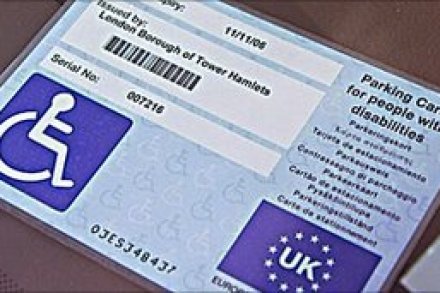
The government’s welfare reforms seem to be staggering on, despite the concern from the Lords that they’ll harm those who need help most: children and the disabled. But before the Bill goes back to the Commons, and everyone becomes more agitated, let me put the case for the Bill from the perspective of someone it might affect.  I have a vested interest in the impending changes to disability benefits, because both my brothers are autistic – one severely so. My family depends on the Disability Living Allowance; caring for my brothers is a full time occupation for both my parents, and without support they simply wouldn’t be able to cope.

Multiple choice | 19 March 2011

From our UK edition

When it comes to qualifications, English schoolchildren have more choice than ever. Everyone knows about GCSEs and A-levels, yet few pay much attention to the alternatives, such as the International Baccalaureate and the International A-level. Why are these alternatives overlooked? Because they are the preserve of independent schools. The independent sector has the great advantage of not being compelled to follow the national curriculum guidelines, which prevent state schools from offering alternative exams. The new government, under Michael Gove’s liberating education agenda, is attempting to give state pupils access to different qualifications, but it is going to take a while.

Blame Twitter for the increased oil prices

From our UK edition

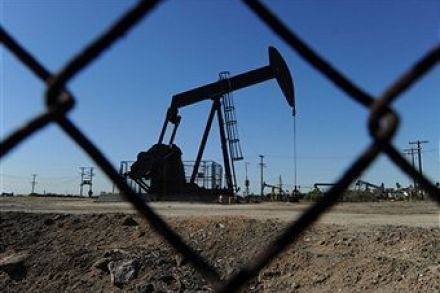
The BBC are reporting that unleaded petrol has now reached 130p per litre and are blaming Libya. I¹m not convinced. Libya only accounts for about 2.3 percent of global oil production and even now the Arabian Gulf Oil Co¹s production in east Libya is around a third of normal levels. The real cause of the current price increase seems to be Twitter and Facebook. The social networking sites are allowing protestors to organise uprisings with a sophistication and speed which have taken analysts completely by surprise. Increased oil prices are the market¹s response to all this uncertainty and the possibility of this revolutionary fervour spreading. It's not unreasonable: after all, four of the top ten oil producing countries in the world are in the Middle East.

The Gaokao challenge

From our UK edition

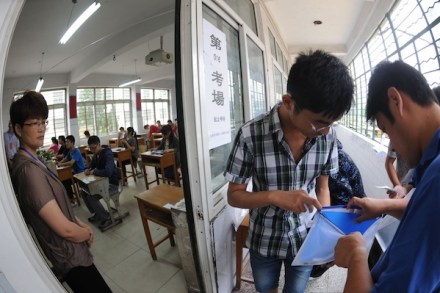
There is a word, unknown in this country, which once a year strikes terror into the hearts of millions of young people: Gaokao. This is the slang term for the Chinese National Higher Education Entrance Examinations, and though only a few translated questions have found their way out of the secretive state, their level of complexity raises serious concerns about our own education system. The results released by Pisa (the OECD Programme for International Student Assessment) this week not only raise the same concerns but absolutely confirm them. The Pisa people tested nearly half a million 15-year-olds worldwide, in maths, literacy and science. What did they find? China comes top; Britain 25th, having dropped several places since the last study.