Michael Knowles

How Cabinets have evolved over time

From our UK edition

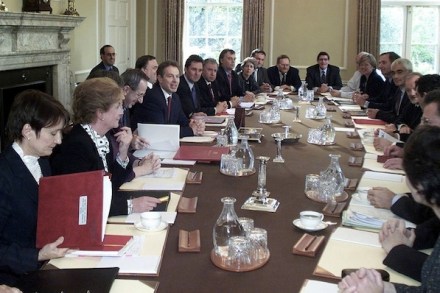
Why are cabinets growing in size? The average number is 24 and since John Major’s first cabinet in 1990, there have been none with fewer seats around the table. David Cameron’s cabinet has 23 full members, but a total of 32 ministers able to visit. Prime Ministers have had to adapt their cabinets to meet the demands of changing government. For example, after Tony Blair’s government had the devolution bill passed, positions were created in cabinet for representation for each of the devolved countries. When globalisation become more important, a secretary of state for International Development was created. It’s not clear, though, whether a larger cabinet leads to a more effective government.
Is it payback time for the public sector?

From our UK edition

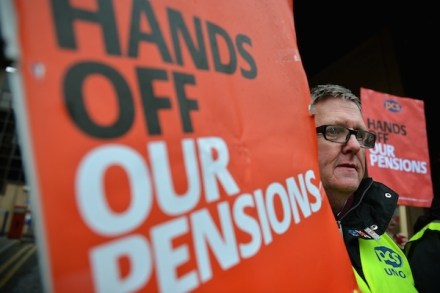
What’s next in David Cameron’s intray? If he’s feeling butch and fancies a fight, he might want to consider bringing public sector pay and pensions into line with the private sector. Policy Exchange believes aligning public sector pay would save £6.3 billion in public spending and create up to 288,000 new jobs. Its report, Local Pay, Local Growth, which it published yesterday, points out that the average ‘premium’ for public sector workers is now seven per cent higher than workers doing similar jobs in the private sector. In some parts of the country, that premium rises to as much as 25 per cent. The think tank argues this is unfair, and that the money could be better spent tackling local unemployment.