Martin Vander Weyer

Martin Vander Weyer

Martin Vander Weyer is business editor of The Spectator. He writes the weekly Any Other Business column.

Why Osborne’s Budget bolsters the case for leaving Europe

From our UK edition

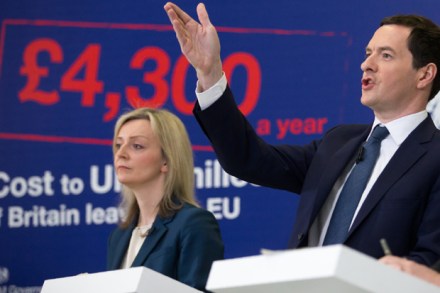
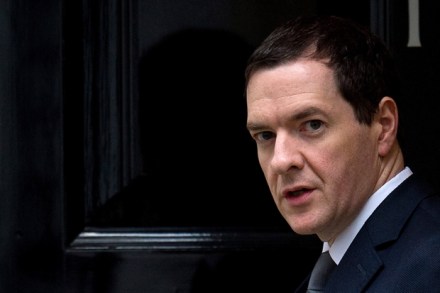
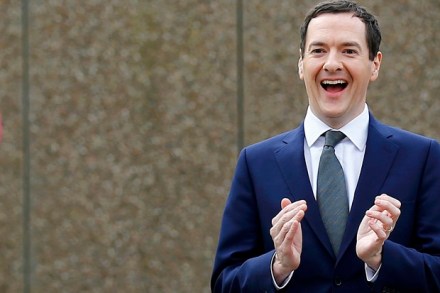
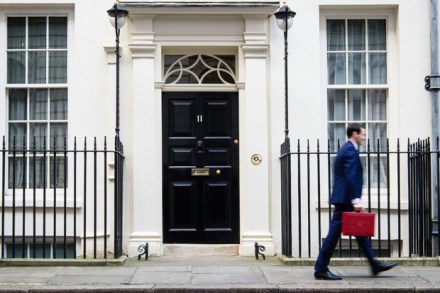
Give thanks for George Osborne — and I don’t say that because I happen to be writing this column on a slow train from Leeds to Manchester, a line that this Chancellor has just promised, for the umpteenth time, to upgrade. I say it because whatever flaws and gimmicks may have leapt out of Wednesday’s budget, however the actualities have drifted away from the forecasts, at least we have a finance minister who is on the front foot. Boost growth; balance the books; keep the state lean; devolve to the regions; nurture self-reliance and entrepreneurship; stay in Europe; succeed Cameron; win the next election. That’s the agenda. You may not buy all of it.

Pay packets, profits and promotions

From our UK edition

I usually take a stern view of corporate pay packets that are out of line with profits and shareholder value, but I’m prepared to make an exception for Bob Dudley. The American-born chief executive of BP collected $19.6 million last year, up 20 per cent on his 2014 remuneration, while the embattled oil giant clocked up a record loss of $6.5 billion and shed thousands of jobs. But even in the rugged world of oil and gas, few men have survived tougher career challenges than Dudley, who in his previous role as head of the Russian joint venture TNK-BP was so threatened by hostile locals that he had to operate from an undisclosed location outside Russia.

The Budget: what to expect from the Chancellor

From our UK edition

What’s in next week’s budget? Not much, apparently. ‘Cabinet sources’ have been quoted saying that ‘George has been told not to rock the boat’ ahead of the Brexit referendum, and that’s why he backed away from a grab on pension relief for higher earners; likewise he may yield to pressure from his backbenchers not to treat cheap petrol as an opportunity to raise extra fuel duty from motorists. He’ll probably have to talk his way out of a downgrading of growth forecasts by the Office for Budget Responsibility (‘global headwinds’, naturally) and a modest overshoot against his own borrowing targets — but those are the most entertaining parts of Osborne’s speeches.

This great commodity rally doesn’t mean that spring has arrived

From our UK edition

All in all, this is an odd moment for an outburst of high spirits: not from me — I’m as phlegmatic as ever — but from commodity investors. The price of a barrel of oil has rallied from $27 to $40 after talks between Saudi Arabia and Russia about restricting supply; one pundit called that ‘meaningless theatre’ but others expect a climb back to $50. In a similar mood, copper prices have risen by almost a fifth — reflecting producer cutbacks combined with a belief that the Chinese downturn in demand might not be so severe as was first feared.

Sell the London Stock Exchange? OK, but not to the Germans

From our UK edition

The London Stock Exchange is no longer the red-hot crucible it once was, given the multifarious ways by which shares, bonds and derivatives now change hands. But the prospect of the LSE passing into the control of Deutsche Börse — in what was announced as a ‘merger of equals’, but with the Germans holding the larger stake and the top job — is a mighty provocation to Brexit campaigners. The Express claims it would reduce the London market ‘to an insignificant regional afterthought’. Brexit or not, there’s logic to a pan-European trading platform with shared technologies and harmonised listing rules: but who can doubt that the German agenda must be to hoover as much business as possible from London to Frankfurt?

Better that the Americans take over the London Stock Exchange

From our UK edition

The London Stock Exchange is no longer the red-hot crucible it once was, given the multifarious ways by which shares, bonds and derivatives now change hands. But the prospect of the LSE passing into the control of Deutsche Börse — in what was announced as a ‘merger of equals’, but with the Germans holding the larger stake and the top job — is a mighty provocation to Brexit campaigners. The Express claims it would reduce the London market ‘to an insignificant regional afterthought’. Brexit or not, there’s logic to a pan-European trading platform with shared technologies and harmonised listing rules: but who can doubt that the German agenda must be to hoover as much business as possible from London to Frankfurt?

The City says it’s for staying in but I wonder what the big beasts think

From our UK edition

‘The City is in no doubt that staying in Europe is the only way ahead,’ declared Mark Boleat for the City of London Corporation. Likewise Chris Cummings of the lobby group TheCityUK praised David Cameron for delivering ‘a really special deal’. The official Square Mile is squarely for ‘remain’, confident that the Prime Minister has secured safeguards to let the UK keep control of a thriving financial sector in a multi--currency EU. But with all due respect, I wonder what the real players think. The economists Gerard Lyons and Ruth Lea are two other respected City voices, and they warn that those safeguards won’t be worth much as Paris, Frankfurt and Brussels pursue their long-term aim of grabbing financial activity from us.

Apocalypse now? Markets seem set on a self-fulfilling prophecy

From our UK edition

All this talk of a new financial apocalypse, so soon after the last one, is starting to annoy me. Partly because investors as a crowd are so irrational; -partly because so much that governments and central banks have done to contribute to the current market mayhem seems to work against the sensible efforts of ordinary folk to build a bottom-up recovery. Markets first. We’ve had hissy fits about China, even though connections between the Chinese and UK economies are so marginal. We’ve had near-hysteria about the prospect of (and in the US, the start of) rising interest rates.

How is it where you live? A tale of two nations and a message for George

From our UK edition

Upbeat or downbeat? I asked last month whether the mood where you live is energised by enterprise or demoralised by public-sector retreat — or both. Replies poured in while the news mostly got worse. Governor Carney warned that ‘the UK cannot help but be affected by an unforgiving global environment and sustained financial market turbulence’ as shares took another dive. BP and Shell announced profit falls and job cuts. The Brexit debate took off, but the migrant benefits row overwhelmed any sensible discussion of economic pros and cons, on which voters must so far be utterly confused. Then again, it wasn’t all bad: like-for-like retail sales surged by 2.

The banks have serious problems, but a European-wide crisis? Let’s be serious

From our UK edition

A new European banking crisis. Seriously? Starting at Deutsche Bank? That’s the way markets were pointing on Tuesday as Deutsche’s shares plunged, inter-bank liquidity shrivelled, would-be investors in bank bonds hid in the toilets and speculative short-sellers did the work of the devil. And we all know there’s no smoke without fire, right? Let’s pause for thought here. The clue to whether Deutsche is ‘rock-solid’ (as its British chief executive John Cryan asserts) or tottering is in its name. Can anyone seriously imagine the German state and corporate establishment allowing the bank that bears their country’s name to go down? Of course they won’t.

I told you so: the UK electricity gap looms wider than ever

From our UK edition

Amid all the turmoil in global energy markets, we should not lose sight of the UK power programme that we’re praying will keep our lights on a decade hence: it is, as you know, a hobbyhorse of mine. So how’s it going down at Hinkley Point in Somerset? My man with big binoculars in the Bridgwater Bay nature reserve tells me he’s seeing plenty of lorry movements on the nuclear site, but signals from EDF of France — which has a two-thirds interest in this £18 billion project, alongside Chinese investors — are very worrying. Having already spent £2 billion, the French state utility has deferred until at least the middle of this month a final commitment that was expected last week.

Mr Bear is back: sit tight because he may be with us for a while

From our UK edition

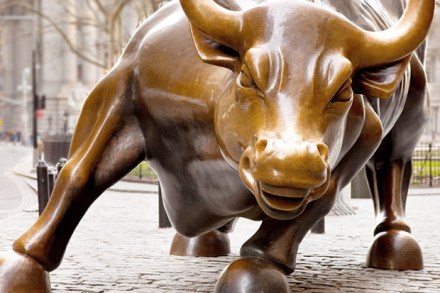
Like Leonardo DiCaprio in The Revenant, we’ve just been savaged by a bear but we’ll probably survive. Leading UK-listed stocks have fallen 20 per cent from last April’s peak after a six-year climb, and the FTSE100 chart has taken on a saw-toothed downward trajectory that suggests, to those who rely on such indicators, that there are further falls to come. The end of quantitative easing and the US Federal Reserve’s first interest-rate rise in almost a decade set the direction of travel. The sinking oil price, combined with worries about a global debt build-up, darkened the mood. Repeated bouts of mayhem on the Shanghai bourse, though little or nothing to do with western investors, have provided a news peg.

Come back Pesto, all is forgiven: and tell us who’s to blame this time

From our UK edition

‘Who’s to blame for financial crisis’ is a poem I wrote in 2012, rhyming ‘speculators, spivs and traders’ with ‘rich, -uncaring hedge-fund raiders’, while taking passing swipes at Gordon Brown and ‘Mervyn King, who really didn’t do a thing’. But it’s too early in 2016 to update my ditty, because the new crisis — if that’s what it is — hasn’t really hit us yet, except in share prices that clearly have further to fall. And the question of who’s to blame, never mind how to make them rhyme, is going to be a lot more difficult this time round. ‘It’s China’s fault,’ was the gist of bulletins about the loss of 750 jobs at Tata’s Port Talbot steelworks this week.

RBS’s note from a crashing plane: wild headline-grabbing or wise advice?

From our UK edition

Should anyone take investment advice from Royal Bank of Scotland, the institution which so misread markets before the crash that it required the biggest taxpayer bailout in banking history? Possibly not, but a bulletin from RBS’s research team this week certainly caused a stir by declaring that ‘in a crowded hall, exit doors are small, risks are high’, ‘sell mostly everything… except high-quality bonds’; and finally, ‘for the world: the game is up’. Strong stuff, indeed — and written in such staccato City language that it reads like the last scribbled testament of a passenger in a crashing plane.

Another banking review is pointless: just carry on naming, shaming and jailing

From our UK edition

Was the Financial Conduct Authority leaned on by the Chancellor to scrap its ‘review of banking culture’? Or did it decide pragmatically that its resources would be better devoted to pursuing individual cases of cheating and criminality? I suspect the answer is a bit of both. Acting FCA chief Tracey McDermott — a no-nonsense northerner and former litigation lawyer — is reputed to be just as tough as her predecessor Martin Wheatley, who was ousted by Osborne last year, apparently for being too much the turbulent priest. Tracey became a regulator because she was interested in seeing ‘if human behaviour could be improved’ — in particular, the behaviour of people who are not dishonest by nature but are swept along by the tide.

The human element: highs, lows and loose ends of 2015

From our UK edition

Last year was a bumper year for mergers and acquisitions. Recovering prospects and relatively low price-earnings ratios made the takeover arena alluring: the global volume of deals looks certain to have passed the $4.3 trillion record of 2007. Among the new giants are Shell-BG, Heinz-Kraft, Pfizer-Allergan and monster brewer AB InBev-SAB Miller; bonuses reaped by London M&A bankers will fund basement diggings bigger than Crossrail. So you might expect me to name my deal of the year: but no.

A heartwarming story of Christmas blackmail

From our UK edition

I thought you might enjoy a little parable for Christmas, so here goes… The boardroom clock said twelve minutes to one. A waft of gravy in the air indicated that Christmas lunch awaited in an adjacent room. One agenda item to go: Colin the company secretary made a throat-cutting gesture to Kevin from health and safety, who had exceeded his allotted time for a presentation on disposal of toxic waste from Indonesian supplier factories. Coming after Maureen the HR director’s Powerpoint on ‘issues around diversity’, this had entirely lost the attention of the board, most of whom, Colin observed, were fiddling with their phones under the table. Except for the chairman, George, and the chief executive — a Dutchman whose name no one could pronounce.

Why Gatwick could still win the Great British Runway final

From our UK edition

The Department for Transport announced yesterday that the final verdict on airport expansion will be put off until summer 2016. Back in October, The Spectator's Martin Vander Weyer predicted in his 'Any Other Business' column that the decision would be delayed until after the mayoral election in May: The Great British Runway final between Heathrow and Gatwick is beginning to look like a game of two halves. The visit of China’s President Xi Jinping is a bonus for the West London team, who can claim that Chinese investors with bulging wallets are more likely to be impressed by landing at an urban mega-airport than an expanded flying club in Sussex.

Ye who now will bless the poor Shall yourselves find blessing

From our UK edition

  I thought you might enjoy a little parable for Christmas, so here goes… The boardroom clock said twelve minutes to one. A waft of gravy in the air indicated that Christmas lunch awaited in an adjacent room. One agenda item to go: Colin the company secretary made a throat-cutting gesture to Kevin from health and safety, who had exceeded his allotted time for a presentation on disposal of toxic waste from Indonesian supplier factories. Coming after Maureen the HR director’s Powerpoint on ‘issues around diversity’, this had entirely lost the attention of the board, most of whom, Colin observed, were fiddling with their phones under the table. Except for the chairman, George, and the chief executive — a Dutchman whose name no one could pronounce.

After the Black Friday flop, shops can get back to what they do best

From our UK edition

The high street flopperoo that was ‘Black Friday’ may have something to do with terrorism fears, or even the downturn of the Chinese economy: in last year’s ugly scenes of bargain-hunters wrestling over televisions, Chinese tiger--shoppers seemed to win most of the spoils. But this year you could have held a picnic in the entrance of an Oxford Street store without fear of being trampled; trade had migrated massively online, where total UK sales are estimated to have passed £1 billion in a day for the first time and to have peaked (how sad is this?) between midnight and one in the morning. Amazon alone processed 7.4 million purchases in 24 hours.