Mani Basharzad

Mani Basharzad is Junior Research Associate at the Institute of Economic Affairs

The West will regret not intervening in Iran

From our UK edition

The longest war of the twentieth century was between Iran and Iraq and lasted for eight years. Yet during those eight years, Iraq killed fewer Iranian civilians than the Islamic Republic has reportedly killed in the past two weeks. The regime’s security forces enter hospitals, not merely to arrest protesters, but to shoot them in the head.

The end is drawing near for Iran's mullahs

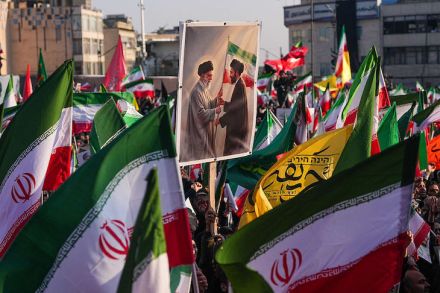
As a wave of protests swept across Iran last night, the internet was completely shut down. I have no idea what is happening to my friends, my family, or anyone else. My best friend Champ was at the demonstration. I desperately hope he is safe. Iran is a nation wanting its soul back. Protesters burn

iran mullahs

Iran wants its monarchy back

From our UK edition

There are protests in Iran again. But this time, something is different. In the uprisings of 2019, 2022 and 2023, the dominant slogan was negative: what Iranians did not want. ‘Death to the dictator’ echoed through the streets. Today, the country has moved beyond rejection. Now there is affirmation. A name is being chanted: Crown

The worst thing about being an Iranian in Britain

From our UK edition

What’s the most annoying thing about being an Iranian in Britain? Since coming to the UK a year ago, I’ve lost count of the number of times I’ve heard one particularly irritating comment. I’ve been told it by Oxford students and professors, Uber drivers and friends. It has felt like a shadow following me. No,

An independent Bank of England isn’t working

From our UK edition

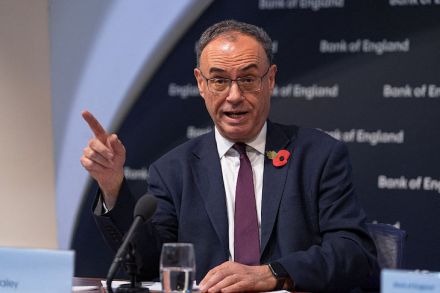
Andrew Bailey recently claimed that the Bank of England has saved the government £125 billion. The Bank’s governor was responding to criticism from Reform deputy leader Richard Tice that the Old Lady of Threadneedle Street has cost taxpayers a fortune. Just weeks earlier, Reform leader Nigel Farage questioned the very idea of central bank independence, suggesting he

Why do boring economists always win the Nobel?

From our UK edition

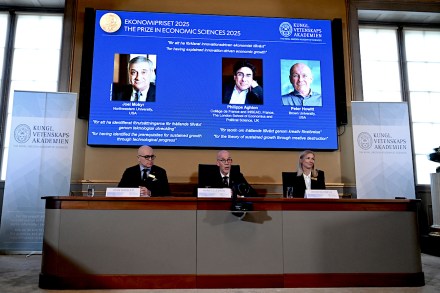
When Friedrich Hayek won the Nobel Prize, his entire lecture – titled ‘The Pretence of Knowledge’ – was an attack on economics itself. He believed economists were more worried about looking scientific than actually being scientific. The lecture was so controversial that Economica, the LSE journal that had published Hayek’s work since he was a young professor, refused