Luke Daly-Groves

Luke Daly-Groves is a historian at Leeds university

Why won’t Hitler conspiracies die?

From our UK edition

Eighty years ago, as Red Army shells rained down over Adolf Hitler’s Reich Chancellery garden, a group of his remaining friends and colleagues huddled under the block-shaped exit of his last grim command centre, the Führerbunker. Flames engulfed the bodies of the newlywed Mr and Mrs Hitler, casting a flickering light over the onlookers, who raised their arms in a final straight-armed salute. The enduring cultural and political relevance of Hitler’s death hardly needs restating. It gave us online parodies of the rant scene in the film Downfall and, of course, a wild range of conspiracy theories. I once hoped that my book Hitler’s Death: the Case Against Conspiracy might put an end to those.
How Napoleon changed the world

From our UK edition

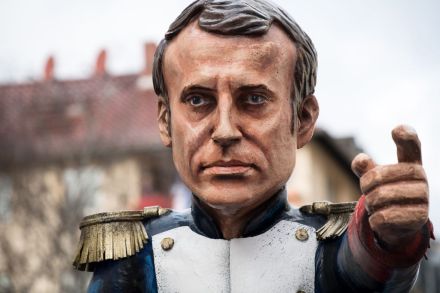
Two hundred years ago today, Napoleon Bonaparte closed his eyes for the final time. A man born to relative obscurity in Corsica, he was lifted by merit to become Emperor of the French and conqueror of Europe. But the fault of his ambition and the might of his enemies ultimately led to his defeat at Waterloo. Napoleon died in British captivity on St Helena. Even in death, though, it is hard to doubt that Napoleon not only shaped the modern world, but still influences it today. France's current president Emmanuel Macron is often compared to Napoleon. As John Keiger has pointed out on Coffee House, Macron appears to share Napoleon's obsession with the British. But it would be a mistake to think it is only Frenchmen who look to their country's most famous leader for inspiration.