Limor Simhony Philpott

Dr. Limor Simhony is a freelance writer. She was previously a research fellow at the Institute for National Security Studies (INSS) in Tel Aviv.

Israel cannot accept Hamas’s hostage deal

Following weeks of stagnation in the negotiations between Israel and Hamas over a deal for the release of Israeli hostages, Hamas has finally responded. Perhaps unsurprisingly though, the terms they have proposed are unacceptable to Israel. Hamas is demanding a long ceasefire, lasting four-and-a-half months, that would lead to a permanent truce. Their terms include the withdrawal of Israel Defense Forces (IDF) from Gaza and an end to the war, rehabilitating Gaza under Hamas’s continued governance, and the release of 1,500 Palestinian prisoners from Israeli jails with the guarantee that they will not be rearrested for the same offences. This would include 500 prisoners of Hamas's choosing, whose offences are so severe that they are serving life sentences.
Israel suffers its deadliest day in Gaza

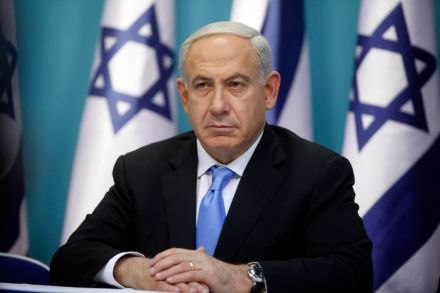
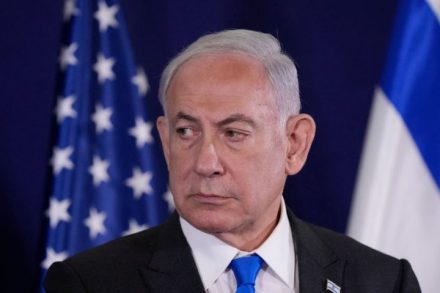
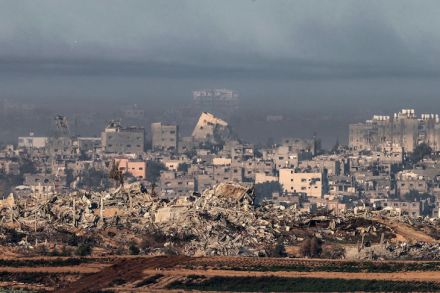
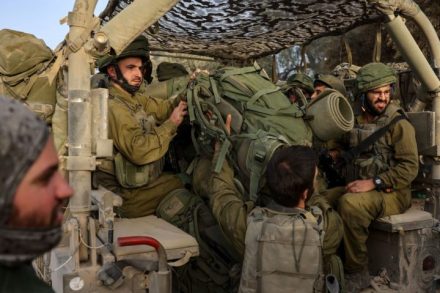
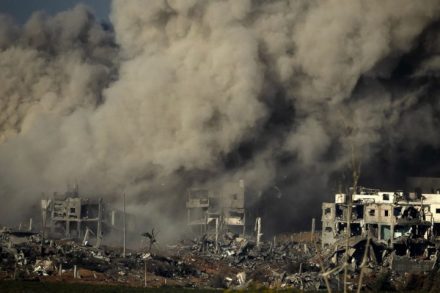
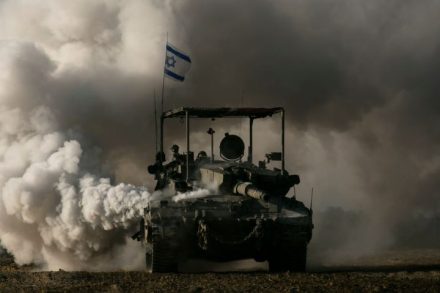
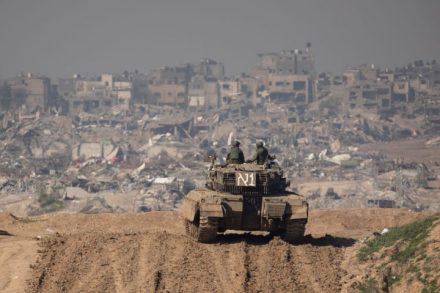
It’s only Tuesday, and already Israeli Prime Minister Benjamin Netanyahu has had one of the worst weeks since the war against Hamas started last October. Israelis are losing patience with him and his band of self-serving extremist ministers. Netanyahu, whose approval rates were low before the war and have only got lower since it started, is feeling the squeeze. Last night, in the single most deadly incident since the start of the war, 21 Israeli soldiers were killed when buildings collapsed on them following an RPG grenade attack by Hamas in the city of Khan Yunis, southern Gaza. Three soldiers were also killed in a separate earlier incident in the city, bringing the total of casualties yesterday to 24. Israel is a nation in mourning.

The real reason Netanyahu is opposed to a Palestinian state

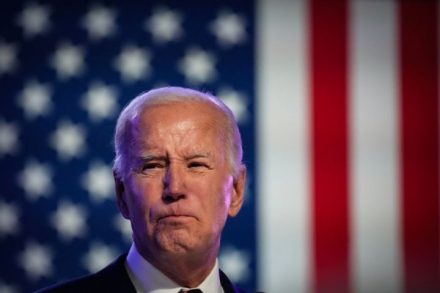
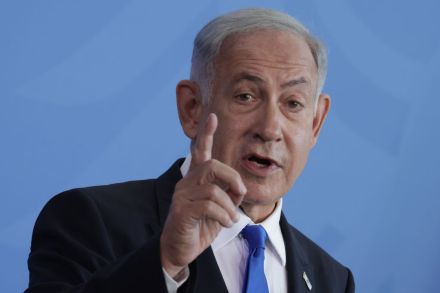
When Israeli Prime Minister Benjamin Netanyahu told the Biden administration earlier this week that he objects to the establishment of a Palestinian state, the intended audience was his base of supporters – or what little of it he has left. Since the start of the war on 7 October 2023, Netanyahu had zig-zagged between rejecting the idea of Palestinian rule over Gaza and showing some level of flexibility about the idea of a reformed Palestinian Authority (PA) managing Gaza’s day to day governance, with Israel managing the region’s security. Netanyahu is torn between his dependence on the approval of his right-wing voters and his reliance on American support.

America’s support for Israel has strings attached

On his fourth visit to Israel this week since its war with Hamas started, US Secretary of State Antony Blinken delivered a message of strong support for the country, but also some criticism. He arrived in Israel yesterday having already been to Saudi Arabia, Jordan, Qatar, UAE, Turkey and Greece. Next on his agenda are visits to the Palestinian Authority and Egypt. Blinken’s Middle Eastern tour aims to create a more peaceful and stable region to enhance Israeli security – a particularly monumental task. The Biden administration wants to prevent the war between Israel and Hamas from expanding onto new fronts. They have been anxiously following developments on the border with Lebanon.

Why everyone is worried about Hezbollah

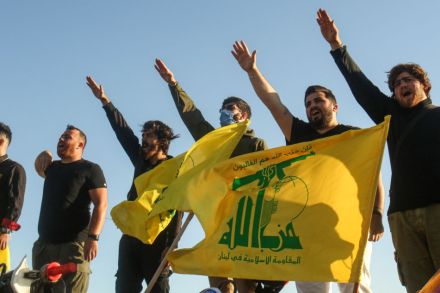
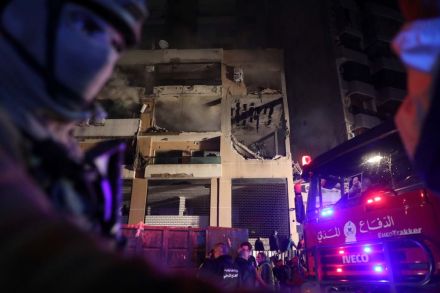
Hezbollah has escalated attacks against Israel in the last few days. The Iran-backed Lebanese militant organisation started firing missiles into Israel when the war against Hamas started last October. In the three months since, it has kept attacks limited in order to avoid an escalation into a full-scale war, but the situation is highly volatile. Since the Israeli assassination of senior Hamas leader Saleh al-Arouri in Beirut a week ago, tensions have been rising. Hezbollah’s attacks have intensified further this week, following the killing of top commander Wissam Tawil. Tawil commanded Hezbollah’s elite Radwan fighting forces based close to the border with Israel. Today Israel killed two more Hezbollah commanders: one headed the organisation’s aerial forces in south Lebanon.

Israel has taken a big risk with its Hamas assassination in Lebanon

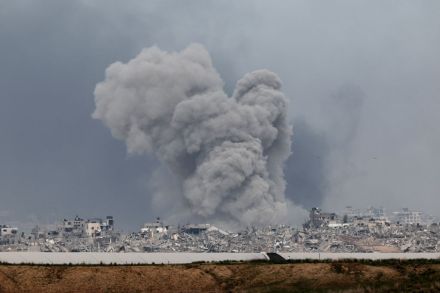
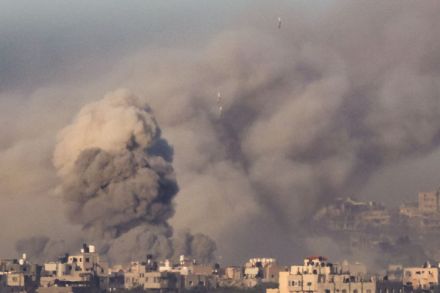
Israel today killed top Hamas leader Saleh al-Arouri, in the most significant assassination since the war against Hamas started almost three months ago. His killing in Lebanon is not only an operational success, but will boost Israeli morale. The fight against Hamas since 7 October has been fierce and difficult. Despite successes in uncovering and destroying many of the group’s tunnels in Gaza and killing thousands of terrorists, the challenges remain significant and the casualty count is high. The Israel Defence Forces (IDF) still have months of fighting ahead of them, and it’s doubtful that they will manage to destroy Hamas completely. This has been cause for concern in Israel.

Israel’s supreme court verdict spells trouble for Benjamin Netanyahu

Israel's supreme court has overturned a law passed by Benjamin Netanyahu’s government last year that would have limited the power of the Israeli courts. This legislation, known as ‘the reasonableness bill’ was meant to put a stop to the courts’ ability to cancel decisions made by the government if they were deemed to be ‘extremely unreasonable’. Yesterday, judges threw out the law, claiming that the government lacked the authority to implement it. The law was part of a package of judicial reforms initiated by Netanyahu’s far-right government; many in Israel argued that the reforms would weaken the courts and undermine Israeli democratic institutions.

Inside the Hamas split over its war with Israel

Hamas leaders based in Qatar have been holding talks with Palestinian officials from Fatah, the political organisation that dominates the Palestinian Authority (PA) which governs the West Bank. The once rival organisations are in discussions about forming an alliance for governing Gaza after the war with Israel. For the Palestinian Authority, this is an opportunity to return to Gaza nearly 18 years after the organisation lost the legislative elections to Hamas in 2006. The PA has been deeply unpopular among Palestinians for some time. A poll conducted in Gaza and the West Bank at the end of November found that support for Hamas tripled since the start of the war, while support for the Palestinian Authority and its president, Mahmoud Abbas, dropped significantly.

Why Hamas isn’t willing to strike a deal with Israel

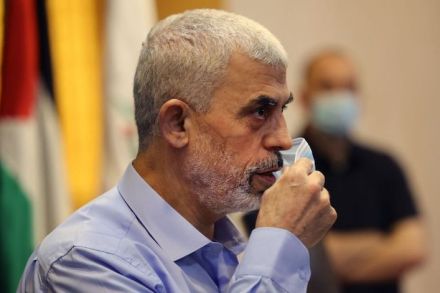
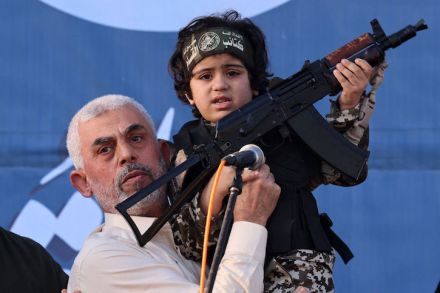
Hamas’s chairman, Ismail Haniyeh, is in Cairo for talks with Egyptian officials about a new temporary ceasefire deal with Israel. Haniyeh only reluctantly accepted Egypt’s invitation to attend talks. Hamas and its leader in Gaza, Yahya Sinwar, have been consistent in their demand that they will not negotiate a deal with Israel while they are still under fire. They are requesting that Israel stops all assaults, retreats, and begins a permanent ceasefire before negotiations for the release of hostages can begin. Although Israel is keen to make a deal, it currently draws the line at stopping the fighting before an agreement has been reached. It certainly will not consent to a permanent ceasefire.

How much longer can Netanyahu resist a hostage deal?

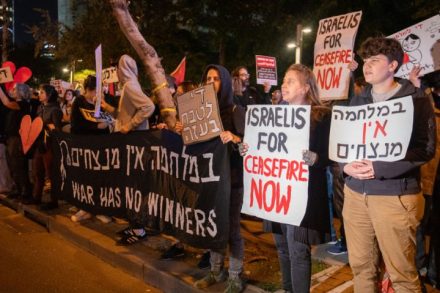
Thousands of protestors have taken to the streets of Tel Aviv following the killing of three young Israeli hostages by the Israeli Defence Forces (IDF) in a friendly fire incident in Gaza. The demonstrators, who set up tents on Friday morning in front of the Kirya military base where the Israeli cabinet holds its meetings, are calling on the government to reach a deal with Hamas to secure the release of the remaining hostages. They have vowed to remain there until a deal is reached, with some saying they will stay until all the hostages have been returned.

Netanyahu has finally realised Russia is no friend of Israel

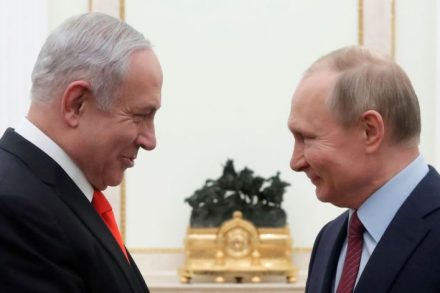
When Israeli prime minister Benjamin Netanyahu held a 50-minute phone call with Russian president Vladimir Putin last weekend, it was only the second time the two leaders had spoken since the war against Hamas started on 7 October. The two leaders were once close allies, but no longer: relations between Putin and Netanyahu have now fractured, perhaps beyond repair. In a statement released immediately after the call, Netanyahu criticised Russia’s close alliance with Iran. The Kremlin blamed Israel for ‘the catastrophic humanitarian situation in Gaza’ – repeating a position expressed by Putin in the past, including in a meeting with his ally and staunch Israel critic, Turkish president Recep Tayyip Erdogan, back in October.

The IDF’s death toll is rising

The Israel Defence Forces (IDF) have suffered their deadliest day since the 7 October massacre. Nine soldiers were killed, including the Golani Brigade’s 13th battalion commander, during a coordinated Hamas ambush in the Shujaiyeh neighbourhood of Gaza city. The attack was a rare success for Hamas, but despite the painful blow to the IDF, troops still have high morale and the Israeli public continues to support the war – at least for now. The scene of the ambush is no surprise: Shujaiyeh is a small, densely-populated neighbourhood. Before war between Israel and Hamas broke out, it was home to roughly 100,000 people. Many inhabitants have fled, but the area remains strategically important to both sides, not least because of its proximity to the border with Israel.

Israel should think twice before assassinating Hamas’s leaders

Israel knows that airstrikes alone cannot help it to win its war against Hamas. To handicap its enemy, the Israel Defence Forces (IDF) must kill or capture the group’s leaders, both in Gaza – where they are hiding out in intricate tunnel complexes – and elsewhere, in other countries in the Middle East, including Qatar. But the cost of such dangerous operations will be high – and could easily backfire. For now, the priority for Israel is targeting Hamas leaders in the Gaza Strip. On the hitlist is Yahya Sinwar, Hamas's leader in Gaza; Mohammed Deif, the head of Hamas’s military wing, the Izz ad-Din al-Qassam Brigades; and Deif's second-in-command, Marwan Issa.

How Hamas’s ceasefire gamble backfired

Hamas's refusal to negotiate the return of the remaining women still in captivity and an early morning missile attack on Israel brought the ceasefire to an abrupt end on Friday. The Israeli government would have continued to put up with minor infractions by Hamas, and carried on with the deal, despite their repeated violations. However, Hamas’s insistence on drastically changing the terms of the agreement pushed Israel to resume assaults in a sign to Hamas that it refuses to be pushed around. Hamas needed the ceasefire, but miscalculated – thinking that it could push the envelope even more without consequence. It went too far. Israel's bombardment of Gaza has been relentless in the two days since. But what happens now?

Hamas has made a mockery of the ceasefire deal

Early this morning, Hamas fired the first shot that signalled the end of its ceasefire deal with Israel, roughly an hour before the truce was due to expire. Before the ceasefire broke there had been a night of intense negotiations over the next stage of the hostage releases. Hamas, as it has done since negotiations started, tried every trick in the book to buy time and maximise its gains. Last night, it did not agree to Israel’s demand to release the remaining surviving women. Hamas has violated the ceasefire deal on several occasions. It breached some of it terms about separating mothers and children. It also broke the ceasefire in Gaza by attacking IDF soldiers, and again when it claimed responsibility for a terror attack in Jerusalem yesterday.

Can Israel’s ceasefire in Gaza hold?

Originally meant to expire on Monday, the ceasefire between Israel and Hamas has been extended by at least two days. During the first four days of the ceasefire, 69 hostages abducted on 7 October, including 50 Israelis and 19 foreign nationals were freed by Hamas. In return, Israel freed 120 Palestinian prisoners, many incarcerated for terrorism offences. The deal also included a substantial increase in humanitarian aid into the Gaza Strip. Across the two added days of ceasefire, Hamas has agreed to release 20 additional hostages. It is likely that, following this extension, with about 170 hostages remaining in Gaza, the sides will agree to prolong the ceasefire.

Why Hamas has agreed to a ceasefire deal

Following days of speculation, the Israeli cabinet last night approved a deal with Hamas for the release of 50 Israeli hostages – 30 children and 20 women. Currently there are some 236 people, including soldiers and civilians, held in Gaza. In exchange for the gradual release of hostages, Israel has agreed to four days of ceasefire and a release of 150 Palestinian prisoners. Israel will also allow fuel into Gaza and an increase in humanitarian aid. Everything Hamas does is a calculated attempt to survive so it can continue its terrorist acts Not all of the hostages from October 7th are being held by Hamas. Reports suggested that some were taken by Palestinian civilians or other terrorists, and it is not clear if Hamas will be able to locate them.

What’s the truth about Gaza’s al-Shifa hospital?

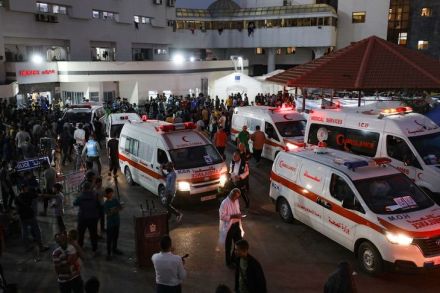
Last week’s military operation in Gaza’s al-Shifa hospital was mired in controversy. According to the Israeli Defence Forces (IDF), the hospital was a significant target in Israel’s war against Hamas because they believed a command centre was located under the hospital complex. International spectators, including some of Israel’s closest allies, were concerned about the raid and told Israel to act with extreme caution to avoid casualties among hospital staff and patients.   International organisations – including the World Health Organisation (WHO), the United Nation Population Fund, UN officials, media outlets and Middle Eastern countries including Jordan and Turkey – condemned Israel’s operations in the hospital.

How will Israel deal with the threat of Hezbollah?

From the very beginning, the war between Israel and Hamas has not been confined to just one front. The Iran-backed, Lebanon-based Islamist militant organisation Hezbollah started attacking Israel on 8 October – one day after Hamas’s deadly assault. In the weeks since, Iranian militias in Syria and Houthi rebels in Yemen have attacked Israel with missiles and drones, while Iranian-backed forces in Iraq have targeted American troops. For now, Gaza is at the heart of the war – but this may soon change. Israel has been fighting Hezbollah since the First Lebanon war ended in 1985.

Al-Shifa won’t be the last hospital Israel raids in Gaza

Late on Tuesday night, about a week after the Israeli Defence Forces (IDF) encircled Gaza’s al-Shifa hospital, Israeli forces entered the complex in what has been described as a ‘targeted operation against Hamas’. IDF spokesman Rear Admiral Daniel Hagari said that troops are operating specifically within the western area of the hospital, one of the largest medical facilities in Gaza. The IDF’s military operation within the hospital, and other hospitals in Gaza, has been a highly contentious issue in the international community. The US – Israel’s closest ally – declared that Israel operate with extreme care in hospitals, making sure that patients and staff do not get caught in the crossfire.