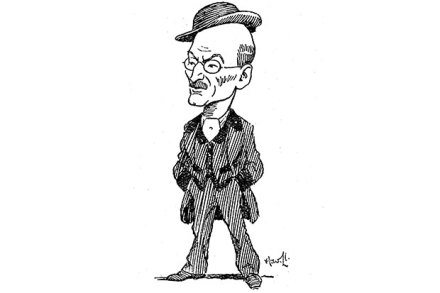
Leo McKinstry

Leo McKinstry is a British journalist, author and historian.

It’s time to abolish Police and Crime Commissioners

From our UK edition

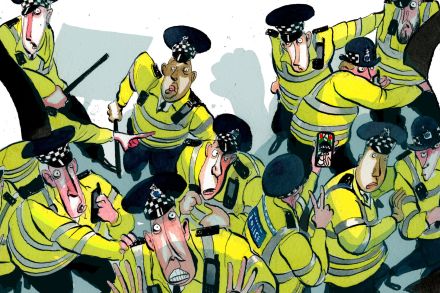
When the idea of having Police and Crime Commissioners (PCCs) first arose it seemed so promising. These would be locally elected candidates, tough and charismatic and they’d be given the power needed to transform the country. Bureaucrats have taken control of British policing, said David Cameron at the time, and cops should be dealing with anti-social crime not fining motorists. PCCs were the local heroes who would revive proper policing, and hold bad police to account.  At the Conservative conference in 2011, the then Home Secretary, Theresa May, declared that the commissioners would be ‘powerful public figures’ of ‘the highest calibre’ who would ‘make the police truly accountable to the people’.
How sport helped shape the British character

From our UK edition

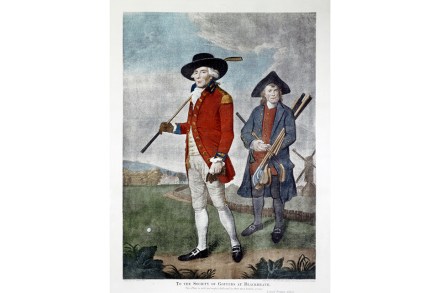
Faith in state planning was central to Harold Wilson’s pledge to modernise Britain. It was his rhetorical vision of a country guided by strategic foresight and ‘forged in the white heat of technology’ that helped him win the 1964 election. But Wilson also displayed the same attachment to planning in his personal life. Back in 1934 he joined the Port Sunlight tennis club, not because he was interested in the sport but because he felt it would provide the right environment to approach one of its young female members, a shorthand-typist called Gladys Baldwin. Unlike his ‘white heat’ agenda, the policy worked. After a lengthy courtship, during which Gladys dropped her first name in favour of her second, Mary, they married.

The self-delusion of ‘Bomber’ Harris

From our UK edition

The scene in the German port was like a vision of hell. As the incendiary bombs rained down on Hamburg that hot summer evening, the centre of the city was engulfed by a conflagration so intense that it seemed to herald the Apocalypse. Trees were uprooted, buildings demolished, trains ripped from their tracks, roadways turned to boiling liquid. Thousands of people were asphyxiated or died of smoke inhalation as they sought shelter in underground cellars. Those who made it to rivers or canals fared little better, for the lethal heat continued to suck oxygen out of the air, while the fire was even spread across water surfaces by exploding oil tankers and the debris from exploding barges.

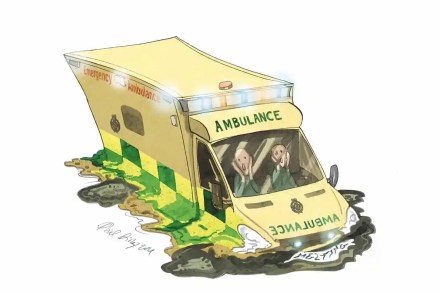
Is it moral for ambulance workers to strike?

From our UK edition

Confronted by the threat of an ambulance workers’ strike, the Health Secretary could not have been more forthright: ‘Those concerned must face up to the consequences of their actions. Lives are at stake. The ambulance men have put their case to me. It will not be strengthened by some of them adopting what will be seen as a callous attitude to the lives and health of their fellow men. Enough is enough. Only the innocent will suffer if health service workers allow their anger to run out of control.

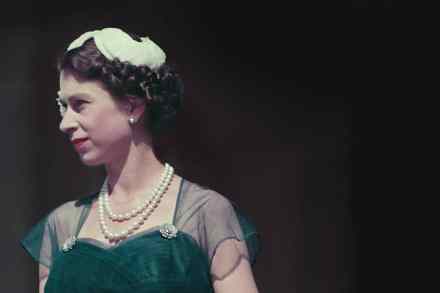
How Elizabeth ensured the monarchy survived

From our UK edition

Perhaps the most powerful tribute to Queen Elizabeth’s success is that, at the time of her death, republicanism remains a fringe cause in Britain. Today we mourn the end of her unique reign, yet the immediate future of the Crown is secure because of the admiration she inspired. Without her steadfast, reassuring presence on the throne, the course of the monarchy could have been far more troubled over the last seven decades. After all, the very concept of a hereditary royal family is a glaring anachronism in our democratic age, where equality is celebrated, elitism deplored and privilege despised.

Mary Wakefield, Leo McKinstry and Melanie McDonagh

From our UK edition

17 min listen

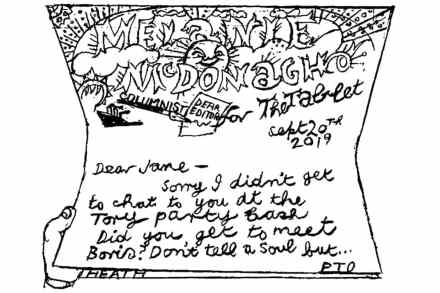
On this week's episode: Leo McKinstry on the worrying rise of apostrophe laws (0:31). Mary Wakefield on why we should resist Stonewall’s gospel (07:02) and Melanie McDonagh on the lost art of letterheads (13.33).Presented and produced by Natasha Feroze.

The troubling rise of ‘apostrophe laws’

From our UK edition

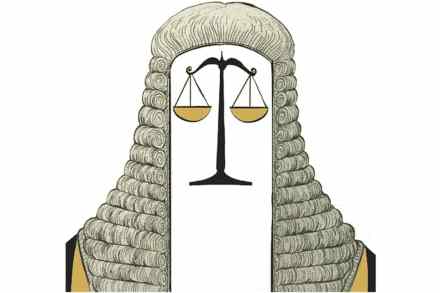
Two new measures, aimed at toughening the justice system, came into force last month. The first, known as Tony’s Law, enables the courts to impose a life sentence on anyone who causes or allows the death of a child or vulnerable adult in their care, while the maximum term for cruelty that leads to serious physical harm has been raised from ten to 14 years. The law’s title is a tribute to Tony Hudgell, a remarkably determined eight-year-old boy who, when he was a baby, was so badly abused by his parents, Jody Simpson and Tony Smith, that both his legs had to be amputated. Angry that these torturers were only sentenced to ten years each, the family who adopted Tony led the campaign for longer punishments and, partly due to Tony’s heroism, they achieved their goal.

A short history of political violence

From our UK edition

The ugly attack on Iain Duncan Smith by five protestors at the Tory conference in Manchester has been widely seen as another illustration of how dangerously embittered British politics has become. We now live, it is often said, in a world of deepening friction, hate and intolerance. Angela Rayner’s now notorious rant about Tory ‘scum’ was also seen as a prime example of the spread of ‘cancel culture’, or the way Twitter rage has ruined civilised debate. Ditto the alarming story of Labour’s MP for Canterbury, who refused to attend her own party’s conference in Brighton last week after she received a number of threats. It’s all very unpleasant.

How corporations rebrand poverty

From our UK edition

The other week, when I was shopping in Margate, I saw a number of posters from Boots urging support for its campaign against ‘hygiene poverty’. Barely aware of the term, I looked it up online and was soon presented by claims that much of Britain is gripped by a crisis of personal neglect because of penury. According to the charity In Kind Direct, more than a third of people have either had to cut down on their hygiene essentials or go without them completely due to lack of money. The same charity warns that 43 per cent of parents of primary schoolchildren have had to ‘forgo basic hygiene or cleaning products’ because of the cost. These figures sound terrifying but do they bear any relationship to the reality of modern life in our country?

Judge Ollie Robinson on his cricket skills, not his tweets

From our UK edition

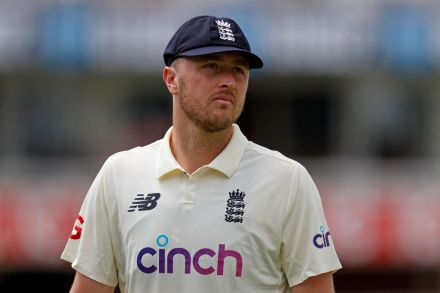
Ollie Robinson, who made his Test debut for England at Lord’s last week against New Zealand, is an outstanding cricketer with both bat and ball. But that ability apparently counts for little. His performance was overshadowed by the discovery of some incendiary, tasteless tweets he had sent almost a decade ago as a teenage professional. An abject apology was not enough to save him. The England Cricket Board promptly banned Robinson from the next Test match, and a full inquiry has been launched into his conduct. Quite rightly, sports minister Oliver Dowden has called the penalty 'over the top'. But that intervention has not helped Robinson. This row marks a depressing moment for English cricket. It also raises a key question: is any player safe?

Is awarding medals to Bomber Command heroes a wise idea?

From our UK edition

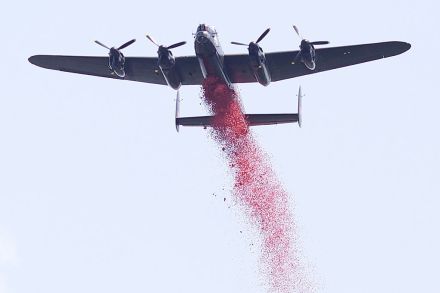
Will the heroic members of Bomber Command, who played such a vital role for Britain during the Second World War, finally get the recognition they deserve? In recent years, there has been growing pressure on Whitehall to strike a campaign medal for the RAF crews who fought during the conflict, thereby giving them the special recognition they were denied in 1946. But even if it is done with the best of intentions, is a unique award for these men – who were undoubtedly heroes – really such a wise idea, or could it set a difficult precedent?

Leo McKinstry, Emily Hill and Daisy Dunn

From our UK edition

19 min listen

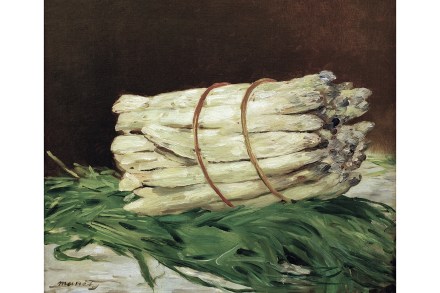
On this week's episode, Leo McKinstry starts by arguing that having to sell the family home to pay for social care is not an injustice. (00:50) Then, Emily Hill reads her piece. She's not looking forward to the return of hugging. (08:00) Daisy Dunn finishes the podcast by examining the underappreciated art of asparagus.

The great pretender: Nicola Sturgeon’s independence bluff

From our UK edition

31 min listen

In this week’s podcast, we talk to The Spectator's editor Fraser Nelson and associate editor Douglas Murray about the challenges facing a freshly re-elected SNP. What next for Nicola Sturgeon - full steam ahead for IndyRef2? Or have neither Scotland or Number 10 the bottle for an all-out battle for independence? [01:02] ‘When you look at the practicalities, the case for independence really does fall. Nicola Sturgeon is selling it in the abstract: “Do you feel Scottish”?’ - Fraser Nelson Meanwhile in matters of social etiquette, the new post-pandemic era looms, complete with new modes of social interactions and conversational topics.

Selling the family home to pay for care is not an injustice

From our UK edition

The sound of the well-off grumbling about their finances is always an unattractive one. But there is one gripe that has become particularly powerful, filling the airwaves and shaping public policy. This is the persistent, ever louder complaint from many households that they are required to sell the family home to pay the costs of care for a close relative. It is a practice widely seen as ‘a scandal’, where the state seizes private property because of its own failure to create a properly funded care system that meets the needs of the elderly. The flames of grievance are stoked by the press, pressure groups and politicians, who promote the belief that all social care should be free, or at least massively subsidised.

Holy Relic: What will be left of the Church after the pandemic?

From our UK edition

34 min listen

Are parish churches about to be devastated by bureaucracy and mismanagement? (00:55) What's the story behind the UK's vaccination efforts? (07:55) Has an intransigent union stopped firefighters from helping the Covid response? (21:55)With church volunteer Emma Thompson; Rector of Great St Barts Marcus Walker; The Spectator's deputy political editor Katy Balls; senior project manager at the University of Oxford's Jenner Institute Adam Ritchie; journalist Leo McKinsey; and chair of the National Fire Chiefs Council Roy Wilsher.Presented by Lara Prendergast.Produced by Max Jeffery, Sam Russell and Matt Taylor.

The Fire Brigades Union’s pandemic response has been a disgrace

From our UK edition

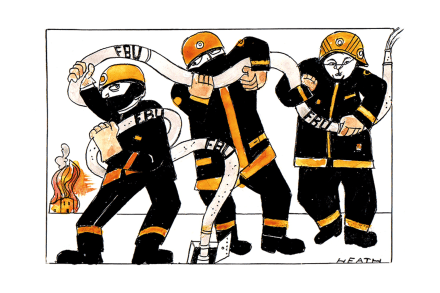
From the vaccination programme to the NHS intensive care units, much of the British state has risen magnificently to the Covid challenge. But there is one element of the public realm that has lived down to the lowest expectations of its performance. The Fire Brigades Union, long a byword for militant intransigence in defence of outdated practices, has been at its self-serving, uncooperative worst during the crisis. In place of solidarity and dedication, it has displayed an ‘I’m all right Jack’ mentality as it discourages its members from undertaking humanitarian duties. The FBU embodies British trade unionism at its most obstructive. It hides behind safety concerns, clings to rigid job descriptions and wallows in labyrinthine bureaucracy.

In defence of Neville Chamberlain

From our UK edition

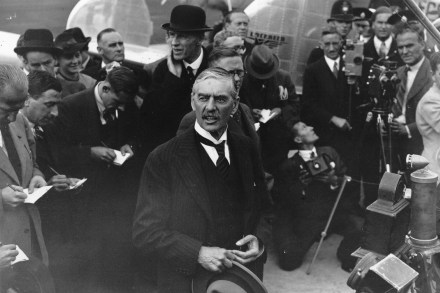
Among the unorthodox enthusiasms of Lloyd George was an interest in phrenology, the pseudo-science that holds that an individual’s character can be revealed by the shape and size of the cranium. Of his first sighting of the rising politician Neville Chamberlain during the Great War, Lloyd George later wrote, ‘When I saw that pinhead, I said to myself, he won’t be of any use.’ That has tended to be the verdict of history. Few prime ministers have been more vilified than Chamberlain, who died from cancer on 9 November 1940, seven months after he had left Downing Street. His very name is synonymous with cowardice in the face of oppression.

Don’t create more rules, Priti – just enforce them

From our UK edition

Setting out his nine principles of policing that underpinned the creation of the Metropolitan force in 1829, the home secretary Sir Robert Peel wrote that ‘the test of police efficiency is the absence of crime and disorder, not the visible evidence of police action in dealing with them’. But those wise words are lost on today’s busy politicians who seem to measure their effectiveness by how many new burdens they impose on the justice system. In a culture where headline-grabbing gestures count for more than genuine accomplishments, the knee-jerk response to almost every major new criminal incident is to demand a change in the law. Priti Patel, the inheritor of Sir Robert’s mantle as home secretary, is the prime exemplar.

The caution that almost cost us the Battle of Britain

From our UK edition

The Battle of Britain, which began 80 years ago this week, occupies a unique place in our island story. Its epic moral quality, representing the triumph of freedom over tyranny, continues to resonate to this day. The RAF’s victory marked a crucial turning point in the war; it was the first time the Nazi machine had suffered a defeat. If the Luftwaffe had gained the mastery of the skies over southern England in September 1940, the Germans might well have been able to launch a vast, seaborne invasion across the Channel. Beaten in the West, the Reich had to turn eastwards, to Russia, with disastrous consequences. What makes the tale all the more gripping is the narrow margin of the RAF’s success.

Is Attlee really more worthy than Churchill?

From our UK edition

As the toxic furore over statues continues, a number of left-wingers yearn to see the monument to Winston Churchill in Parliament Square replaced by one to Clement Attlee. In their eyes, the austere, long-serving Labour leader is far worthier of veneration than the cigar-chomping imperialist. To them, Attlee is the man who not only helped win the war by taking charge of the home front but also created the socialist New Jerusalem in its aftermath. 'Let’s have a statue to Attlee. He is the really great figure in our history,' tweets one enthusiast. 'He did more to build up the future of our country than Churchill,' says another. But this adulation is overblown. Contrary to progressive mythology, Attlee was no secular saint.