Katy Balls

Katy Balls

Katy Balls is The Spectator’s former political editor.

Ian Austin quits Labour – but doesn’t join the Independent Group

From our UK edition

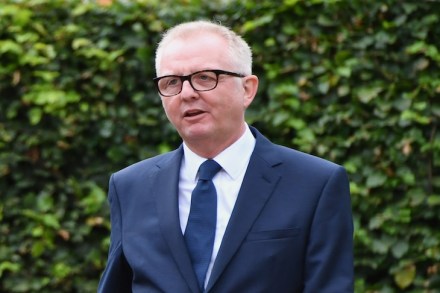
Here we go again. This morning another Labour MP has announced they are quitting Jeremy Corbyn's party over its handling of anti-Semitism allegations. Ian Austin – the MP for Dudley North – has told his local paper that he has grown tired of the 'culture of extremism, anti-Semitism and intolerance' in today's Labour party: 'I think Jeremy Corbyn has completely changed what was a mainstream party into a completely different party with very different values. I always tell them the truth and I could never ask local people to make Jeremy Corbyn prime minister.' Austin's resignation comes after eight Labour MPs and three Conservatives this week quit their respective parties to join the newly formed Independent Group.
Splitting headache

From our UK edition

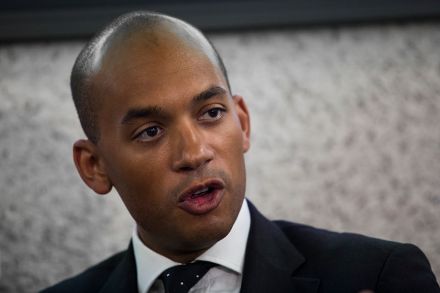
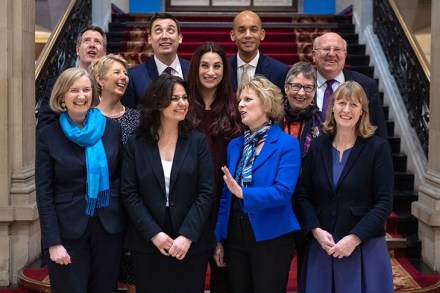
The first thing to note about the ‘South Bank seven’ is that they are nothing like the four former Labour cabinet ministers who split the party in 1981, forming the SDP. The Gang of Four were national figures who between them had held every major office of state, bar the top job. Most of the MPs who announced from a swish venue on the South Bank that they were quitting Labour to set up a new outfit have little to no public profile. They’re more likely to be an answer on Pointless than stopped in the street for a photo. While the most well-known member, Chuka Umunna, has high ambitions (his colleagues joke that he sees himself as the UK’s answer to Emmanuel Macron), his most senior role to date was as Ed Miliband’s shadow business secretary.

What Geoffrey Cox wants from Brussels

From our UK edition

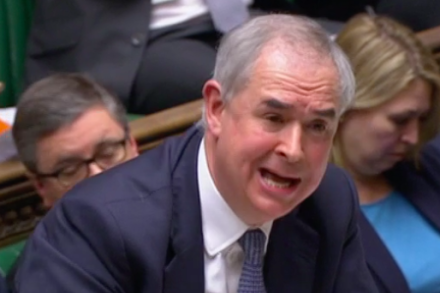
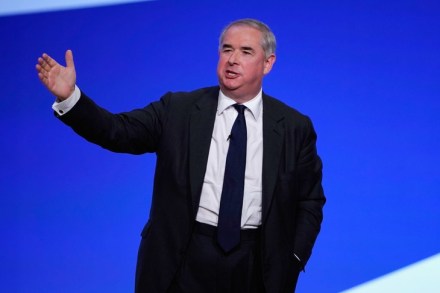
What does Theresa May want to get from Brussels? At Prime Minister's Questions, Jeremy Corbyn pressed the Prime Minister on what type of concession she would be seeking from the EU on the backstop. May refused to divulge many details but the word in Whitehall is that the UK government is ready to present a specific proposal to Brussels. The expectation in government is that Attorney General Geoffrey Cox's aim is to secure a joint interpretative exit mechanism with a notice period attached to it. Government sources say that the notice period ought to be around 12 months – though this isn't necessarily a red line. Other government figures play down the specificity of the notice period.

The Tory defections to the Independent Group could help Corbyn

From our UK edition

After days of bad news for Labour over the decision of several moderates to quit and form The Independent Group, it's now the turn of the Tories. Three Conservative MPs have today resigned the party whip to join the group. In a joint letter to the Prime Minister, Anna Soubry, Sarah Wollaston and Heidi Allen say they no longer feel at home in a party where the policies are so 'firmly in the grip of the ERG and DUP'.  They will now join eight former Labour MPs in the newly formed group – bringing the total size up to 11. While the news has shocked some Conservatives, these three MPs were the politicians who were seen as the most likely to quit.

Could a meaningful vote come as early as next week?

From our UK edition

Is a Brexit breakthrough imminent? The talk in Westminster tonight is that the government could soon have something to present to MPs on the Irish backstop. Geoffrey Cox – the Attorney General – has been in Brussels this week working with EU officials on a legally binding change. He has managed to charm some on the EU side and – in a sign of his commitment to the cause – is said to have threatened to sleep in the corridors if that's what it took to get a deal done. At Cabinet today, Cox urged caution, telling colleagues there is still some way to go – yet Cabinet sources are optimistic that a concession is coming in the form of a codicil. So, what will it look like?

Labour splitters expected to quit party in morning press conference

From our UK edition

Here we go. After over a year of speculation about a Labour party split, the departure of Labour moderates appears imminent. Over the weekend, speculation mounted that this will be the week a number of Labour MPs quit the party. Now a press conference has been scheduled for this morning on the 'future of British politics'. Labour sources are adamant that things are about to move and the expectation is that the press conference will see those MPs present announce that they are quitting the party. Those thought to be on the verge of quitting – Chris Leslie and Chuka Umunna – are refusing to comment. Other Labour MPs thought to be considering their options include Angela Smith, Gavin Shuker and Luciana Berger.

The Jess Phillips Edition

From our UK edition

29 min listen

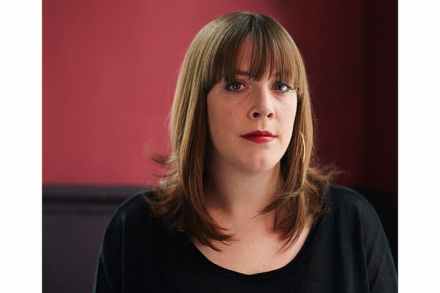
Join Katy Balls as she talks to MP Jess Phillips about growing in an activist home, her life path before becoming an MP and her newfound Twitter fame. Hosted by Katy Balls.

Corbyn gives his price for Labour backing May’s deal

From our UK edition

Yesterday, Donald Tusk used a hellish press conference to say that Remain had no effective representation in the UK owing to the fact that both the Prime Minister and the Leader of the Opposition support Brexit. Tusk said that as a result it was time to face up to the fact that the UK really will be leaving the EU. Proving that point, Jeremy Corbyn has now made his biggest move on Brexit yet. The Labour leader has written to May setting out his terms should she want Labour to back her Brexit deal. In the letter are several demands which will make Eurosceptics MPs uncomfortable.

The most revealing part of Tusk’s press conference wasn’t about Brexiteers going to hell

From our UK edition

Westminster is in a flurry this afternoon over Donald Tusk's comments at a press conference this morning with Leo Varadkar. The European Council president used the platform to declare that he had been pondering of late what that 'special place in hell' for 'those who promoted Brexit without even a sketch of a plan of how to carry it safely' looked like. Tusk even went on to tweet out his comments – just in case anyone had missed the moment in the conference. Adding insult to injury the EU Council president has also been caught on mic laughing about the likely angry response from the British. Tusk is at least right that his latest outburst has landed badly in the UK – with Andrea Leadsom the first Cabinet Minister to publicly criticise him in response.

Theresa May’s expectation management falls flat with the ERG

From our UK edition

Theresa May has been in Northern Ireland today attempting to ease concerns over her commitment to avoiding a hard border. The Prime Minister told business leaders in Belfast that while Parliament wanted 'changes to the backstop as it currently exists', her commitment to no hard border in Northern Ireland was 'unshakeable'. However, May's words also went some way to highlight the difference in expectation as to what No. 10 think is an acceptable change to the backstop – and what the Brexiteers in the European Research Group believe is acceptable.

Will the public mood on no deal sway the Commons?

From our UK edition

As Theresa May attempts to reopen negotiations on the terms of the backstop, there is a view in Downing Street that May won't be able to win any substantial changes until Yvette Cooper's no deal amendment has been defeated for a second time. The Prime Minister will put down a neutral motion next Wednesday and amendments to that motion are expected to be voted on the following day. The expectation is that Cooper will bring back her amendment which would force the government to try and extend Article 50 if a no deal scenario looked likely. There's a concern in government that this time the amendment could pass. A number of Tory MPs may become more anxious about the prospect of no deal when it's two weeks closer ad a deal still doesn't look imminent.

There’s more than meets the eye to Selmayr’s backstop slapdown

From our UK edition

Oh dear. It's only Monday and already Theresa May's week appears to have taken a turn for the worse. The Prime Minister's plan to renegotiate the terms of the backstop has received a strongly-worded rebuke from the European Commission. MPs from the Commons Brexit committee were in Brussels this morning meeting with Martin Selmayr, the commission’s secretary general. Some of those present reported that they left the meeting believing the UK would be able to secure legally-binding concessions on the issue of the backstop. However, on seeing this account reported, Selmayr has taken to social media to put forward a different account of what took place.

How long will the Tory truce hold?

From our UK edition

Nearly one week on from Tory MPs uniting around a Brexit position and the cracks are starting to show. After Brexiteers and Remainers alike came together to vote for the Brady amendment on Tuesday calling for the backstop to be replaced with alternative arrangements, Theresa May was triumphant that she could now tell Brussels there was a majority in the Commons for a Brexit deal so long as the EU was willing to play ball. However, this weekend things hit a bump in the road after May penned an article for The Telegraph. In it, the Prime Minister said that the vote for the Brady amendment had shown there was majority support for her deal so long as the backstop was renegotiated – hinting that this could be done by a side agreement or codicil.

MPs have their holidays cancelled – but will they have anything to do?

From our UK edition

After much speculation, Andrea Leadsom has confirmed that the February recess will be cancelled. This means that – in theory – MPs will be deprived of any ski holidays scheduled for the week of 18 February. It's still up in the air what Commons business – if any – will take place that week given that Parliament is in a state of deadlock. However, the view was that regardless of Brexit progress, it would be an incredibly bad look for MPs to trot off on holiday at the time of an approaching constitutional crisis. So, will they have anything to do?

Eurosceptic fears grow over a potential customs union pivot

From our UK edition

After refusing to meet with Theresa May until she ruled out a no deal Brexit, Jeremy Corbyn finally held talks with the Prime Minister this afternoon. Accompanied by members of his inner circle – Seumas Milne and Karie Murphy – the Labour leader used the meeting to put May under pressure on the customs union. Corbyn discussed with May the best way to secure a Brexit deal which can command a majority in the Commons – arguing that this was by moving to support a permanent customs union between the UK and EU. However, depending on who you speak to, there are varying reports of how that suggestion was received. A spokesman for Corbyn insists that May showed a 'serious engagement in the detail' of Corbyn’s proposal for a customs union with the EU.

The Cooper amendment’s failure is a setback for the MPs pushing for a softer Brexit

From our UK edition

It’s been a disappointing night for the Remain and soft Brexit factions of parliament. Ahead of the votes on amendments to Theresa May’s Brexit plan, there had been a hope among some that the votes would serve as an opportunity to soften the government’s Brexit position. After the Prime Minister’s deal was voted down by 230 votes last month, a number of MPs - as well as officials in Brussels - read it as a sign that the only way to get a Brexit deal through parliament was for May to pivot to a softer Brexit. Tonight those hopes were dashed – at least for the timebeing.

Theresa May entertains the idea of backing the Malthouse Compromise

From our UK edition

Is the Conservative party finally uniting around a Brexit plan? This afternoon, the Prime Minister had a surprisingly good turn at the despatch box. Opening the debate for tonight's amendment votes, May explained why she was supporting the Brady amendment calling for an alternative to the backstop – and why she rejected all other amendments. She said it was clear what MPs did not want – including her existing deal in that, but said what mattered was MPs now sending an 'emphatic message about what we do want'. Within a minute of talking, Labour MPs were interrupting to try and embarrass her over her change of tune on the merits of her deal – given that May previously said it couldn't be improved. However, what will have boosted morale in No.

Can the Malthouse Compromise break the Brexit deadlock?

From our UK edition

After the European Research Group announced on Monday night that they would not get behind the Brady amendment to replace the backstop with alternative arrangements, it looked as though the grand plan to salvage Theresa May's deal was on the rocks. Now there is a new proposal doing the rounds which has the backing of both senior ERG members – including Steve Baker – and the support of Remain-leaning Tories including Nicky Morgan. Dubbed the Malthouse Compromise (in honour of housing minister Kit Malthouse who helped broker the proposal) it lays out an alternative to the backstop. The proposal is comprised of two parts. Plan A is to reopen the Withdrawal Agreement and renegotiate the backstop.

May’s deal on rocks as ERG reject backstop plan

From our UK edition

When Sir Graham Brady tabled his Brexit amendment asserting that Theresa May's deal would be palatable if the backstop is replaced with an alternative arrangement, the hope was that enough Conservative MPs would align behind it to show Brussels that – so long as they were prepared to compromise – a deal could pass the Commons. That plan has hit a fairly large stumbling block this evening. Members of the European Research Group – made up of backbench Tory Eurosceptics – gathered in Portcullis House to come up with a formal position ahead of tomorrow night's vote. The consensus was that they would not back the Brady amendment – nor any other, including the Murrison amendment which attempts to put a time limit on the backstop.

Why this week could end in more Brexit deadlock

From our UK edition

On paper, this week ought to be a decisive one for the government's Brexit position. After Theresa May's Brexit deal was voted down by 230 votes, MPs now have the chance to vote on their own amendments to that deal. The majority are non-binding – but they do carry political weight - while a handful would lead to legislation and therefore force the government's hand. The two amendments currently being talked up as the most likely to pass are the Yvette Cooper amendment to stop no deal and the Graham Brady amendment to ditch the backstop. The Brady amendment seeks to make clear that MPs will back May's deal if the backstop is replaced with alternative arrangements.