Katy Balls

Katy Balls

Katy Balls is The Spectator’s former political editor.

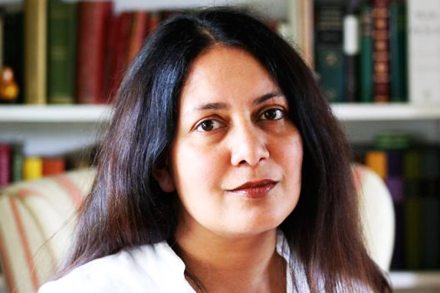
Professor Sunetra Gupta interview: There’s not enough diversity of opinion on Sage

From our UK edition

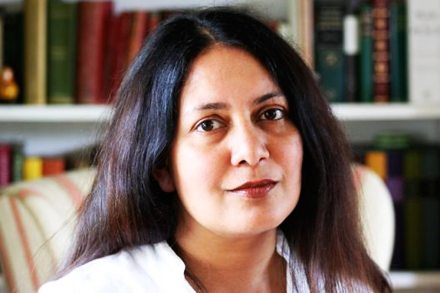
This week, the government has come under criticism from a number of its scientific advisers for easing the lockdown too quickly. Meanwhile, both chief medical officer Chris Whitty and chief scientific officer Patrick Vallance have emphasised the need to move cautiously at this point in the lockdown easing. However, not every scientist takes this view. On the latest Women with Balls podcast, I'm joined by professor Sunetra Gupta to discuss her career – and her assessment of coronavirus.  The professor of theoretical epidemiology at the University of Oxford is the lead scientist behind the Oxford study, which in March that offered an alternative view to Imperial College's dire coronavirus predictions.
Is it time for the government to admit its mistakes?

From our UK edition

16 min listen

With an NHS tracing app not fully up and running until autumn, contact tracing seems like the latest in a series of events where the government has over-promised and under-delivered. Is it time for the government to admit the mistakes it has made in dealing with the pandemic?

With Oxford epidemiologist Sunetra Gupta

From our UK edition

30 min listen

Sunetra Gupta is Professor of Theoretical Epidemiology at the University of Oxford. An expert in the fight against infectious diseases, she is the lead scientist behind the Oxford study that disputed Imperial College's dire coronavirus predictions. She is also a novelist and translator. On the podcast, she talks to Katy about her writing and how it was inspired by her intellectual father; her dispute with the mentor of Imperial College's Neil Ferguson; and how she has found being in the public eye.
Tory MPs might not like No. 10’s quarantine policy – but the public do

From our UK edition

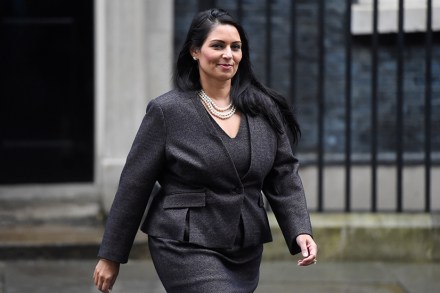
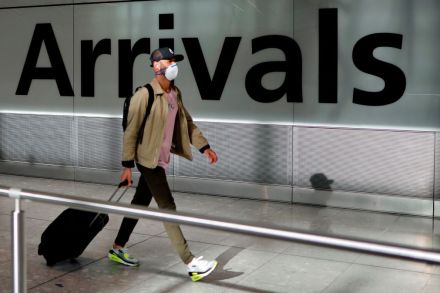
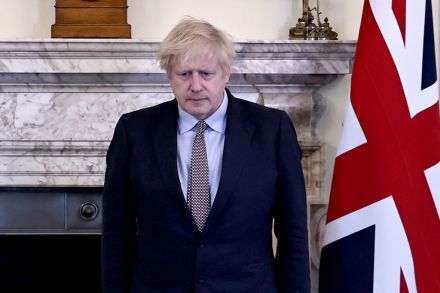
Boris Johnson is in the firing line today over his government's plan to impose a two-week quarantine for anyone arriving in the UK from Monday. The Prime Minister's policy was criticised by both Labour and Tory MPs during PMQs. When Home Secretary Priti Patel confirmed the details in the Chamber this afternoon, former ministers Liam Fox, Theresa Villiers, and 1922 committee chair Sir Graham Brady were among those who questioned the timing and the effectiveness of the new measures.With a growing backlash building among MPs and industry, Patel is under pressure to publish the scientific advice behind the decision. However, there is one group that appears to be on No. 10's side: the general public.

The end of Keir Starmer’s ‘constructive opposition’

From our UK edition

14 min listen

The time for constructive opposition is over, as Keir Starmer picks up a new tone in his interview to the Guardian, which he continued in PMQs. Cindy Yu talks to James Forsyth and Katy Balls about this strategy; and other issues of proxy voting, Scottish care homes, the BAME impact, and a new testing target.

Boris Johnson’s backbench problem

From our UK edition

After spending Tuesday afternoon queuing in a socially distanced conga line across the parliamentary estate, many MPs found themselves in a bad mood. Even Conservative MPs who backed the government's plan to change to a system of socially distanced physical voting were complaining. Speaking to Coffee House afterwards, Tory MPs complained the process was 'humiliating', a 'clusterf--k' and most kindly 'a work in progress'. Despite this, the system is here to stay for the time being. However, yesterday's episode just adds to a growing sense of unease among Tory MPs over the government's direction. As I say in this week's magazine, No. 10 has a growing backbench problem.

Parliament’s socially distanced voting system may just fall apart

From our UK edition

Parliament is back. However, its inhabitants are having to adjust to a new way of doing things. While MPs are supposed to be on the estate and are no longer able to intervene in debates remotely, only 50 MPs may occupy the Chamber at any one time and they cannot vote in the traditional manner as the voting lobbies are not deemed Covid-secure. In place of this, the proposal that's been put forward is for a socially distanced, kilometre-long queue through parliament each time there is a vote. MPs are then to file past the left side of the despatch box table to vote Aye, and to the right side to vote No. The proposals have led to complaints from both opposition and Conservative MPs.

Audio Reads: Katy Balls, Dr John Lee, and Lionel Shriver

From our UK edition

24 min listen

Hear Katy Balls on the long term impact of the Cummings affair; Dr John Lee on the problem with the way we are counting Covid deaths; and Lionel Shriver on how life isn't worth living without a little risk.Get a month's free trial of The Spectator and a free wireless charger here.

How will a socially distanced House of Commons work?

From our UK edition

12 min listen

MPs are returning to parliament next week, marking an end of the hybrid model that saw most MPs Zooming into parliamentary debates. On the podcast, John Connolly talks to James Forsyth and Katy Balls about the challenges in a socially distanced House of Commons.Get a month's free trial of The Spectator and a free wireless charger here.

Escaping the dragon: rethinking our approach to China

From our UK edition

42 min listen

It's not just coronavirus, but the government is keen to have a new approach to China. We discuss what this entails and whether or not it's a good idea (00:50). Plus, what will be the lasting impact of the Cummings affair on the government? (17:16) And last, the way to deal with noisy neighbours now that people are working from home (34:00).With our Political Editor James Forsyth; former Cabinet minister Sir Oliver Letwin; our Deputy Political Editor Katy Balls; Conservative Home's Paul Goodman; Spectator columnist Melissa Kite; and our 'Dear Mary' columnist and Gogglebox star Mary Killen.

Is it really ‘case closed’ on the Cummings affair?

From our UK edition

13 min listen

Chris Whitty and Patrick Vallance refused to give their opinions on the Dominic Cummings affair at today's press conference; while Durham police indicated that they will not be investigating the Barnard Castle trip any further, after announcing that it might have been a minor breach. Downing Street says it's 'case closed' - is it really?

It’s not only Cummings whose fate is at stake

From our UK edition

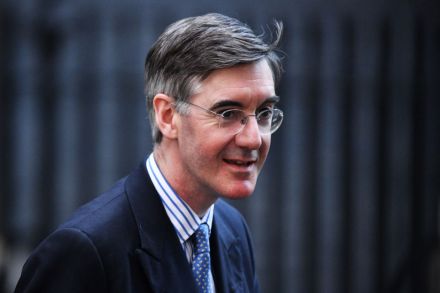
When the cabinet met by conference call on Monday, three ministers spoke in support of Dominic Cummings: Jacob Rees-Mogg, Suella Braverman and Priti Patel. Their sentiments were not universally shared. ‘Several of us started feeling ill when Jacob opened his mouth,’ says one attendee. ‘Silence from the parliamentary party is damning.’ But many critics of Cummings now think that, having dug in so deeply, the Prime Minster has to keep his man. To need to fight this much for an aide is bad enough. But to fight and lose would be devastating. This explains the energy behind the pursuit of Cummings in the past few days.

What did Boris’s evidence to MPs reveal?

From our UK edition

17 min listen

The Prime Minister appeared for the first time in his premiership in front of the Liaison Committee today. The group, formed of select committee chairs, grilled him on a range of issues from Dominic Cummings to pandemic support, and more.

Has Cummings done enough to calm Tory MPs?

From our UK edition

12 min listen

In an unprecedented press conference today, Dominic Cummings explained the circumstances in which he took his family to Durham, and the exact timeline. He struck a sincere tone, but stopped short of apologising. Has he said enough to stem the backlash?