Kapil Komireddi

Kapil Komireddi is the author of Malevolent Republic: A Short History of the New India

Romantic fantasies of the French in India

From our UK edition

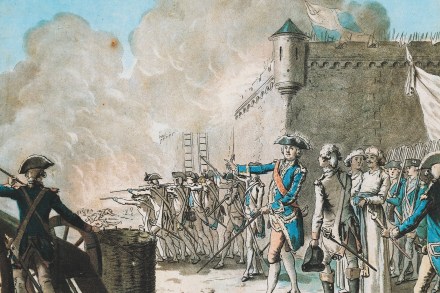
‘The English cannot assimilate any nation,’ declared the narrator of a French travelogue set in India and published in the aftermath of the uprising of 1857. ‘They can only dominate with brutality, squeezing every last drop of blood from the veins of the oppressed.’ Reduced to ‘slaves’ who ‘tremble before the Englishman’s whip’, the Indians

Britain should not be nervous of India

From our UK edition

For a disconcertingly large constituency in Britain, Indian history ends in 1947.The two centuries leading up to that bloody year – when British rule formally ended, India gained independence and Pakistan was conjured into existence – were replete with books, articles, pamphlets, lectures and debates on India. What unites this body of work, apart from

Le Pen’s last stand

From our UK edition

Marine Le Pen, if recent polling is to be believed, is rapidly cutting Emanuel Macron’s lead in the upcoming French presidential elections. If she succeeds in gaining sufficient votes this weekend to enter the second round, we should brace for a serious upheaval in French politics at a time of unnerving uncertainty about the global

Exclusive interview: Armenian PM on Azerbaijani conflict

From our UK edition

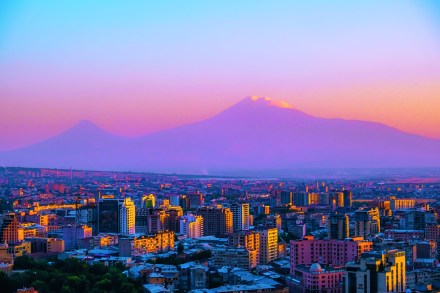
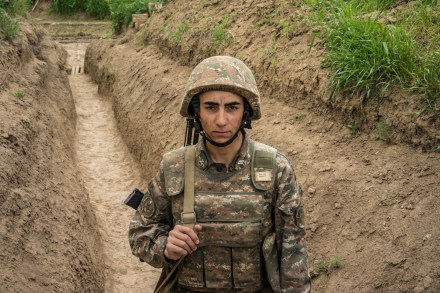
On Sunday, Azerbaijan began shelling Armenian positions in Nagorno-Karabakh — a disputed piece of territory in the Caucasus peopled primarily by the Armenians but owned, at least on paper, by Azerbaijan. In the 1920s, Soviet administrators, disregarding demography, had placed Nagorno-Karabakh inside Azerbaijan. In the run-up the USSR’s demise, the local Armenians voted overwhelmingly to

India should not ask Britain to apologise for the Amritsar massacre

From our UK edition

On the afternoon of 19 April 1919, troops commanded by brigadier-general Reginald Dyer opened fire on thousands of unarmed Indian protesters massed at an enclosed garden in Amritsar in Punjab known as Jallianwala Bagh. When the shooting stopped – and it stopped only because Dyer ran out of ammunition – some 500 people, mostly Sikhs,

India should not ask Britain to apologise for the Amritsar massacre

From our UK edition

On the afternoon of 13 April 1919, troops commanded by brigadier-general Reginald Dyer opened fire on thousands of unarmed Indian protesters massed at an enclosed garden in Amritsar in Punjab known as Jallianwala Bagh. When the shooting stopped – and it stopped only because Dyer ran out of ammunition – some 500 people, mostly Sikhs, lay dead.

A nation of beggars and plutocrats

From our UK edition

Picture India in 1991. You need to make several trips to Delhi and wait three years to import a computer. Coca-Cola is contraband; there is a 22-month waiting list for a car, and an interminable queue for admission to the exclusive club of telephone owners: there are only five million active connections in a country

India on the brink

From our UK edition

Most religions bind their adherents into a community of believers. Hinduism segregates them into castes. And people excluded from the hierarchical caste system — the ‘untouchables’ — are permanently doomed to a life of scripturally sanctioned calvary. This hideousness doesn’t, however, hinder Shashi Tharoor from breathlessly exalting Hinduism as ‘a religion for the 21st century’.

The shattering honesty of V.S. Naipaul

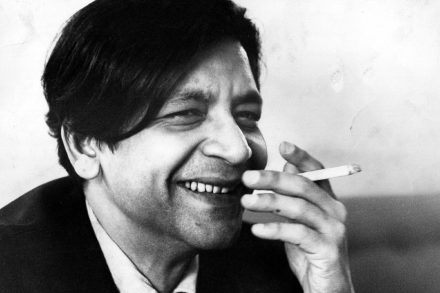
V.S. Naipaul, who died on Saturday at the age of 85, was sustained most of all by self-belief. The society in which he launched himself as a writer was not created to support a man like him. It was designed to degrade him. His career was without precedent. When he arrived in England as a

Still giving peace a chance

From our UK edition

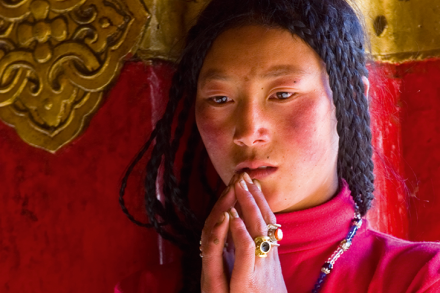
Tibetans were once fabled warriors. Their empire, at the summit of its power in the eighth century, extended to northern India, western China and central Asia. The Arabs, making inroads into central Asia, were in awe of them. And China, according to an inscription commissioned to memorialise Tibet’s conquest of the Tang Chinese capital of