Jon Mack

The criminal bar is revolting

From our UK edition

Something peculiar is happening at criminal courts across England and Wales this morning. Barristers from are staging an unprecedented walk out in protest at Justice Secretary Chris Grayling’s plan to trim a further £220 million from the Legal Aid budget. Barristers in wigs and gowns are protesting at at Westminster Magistrates’ Court and at Crown Courts including the Old Bailey. Since 2010 the Ministry of Justice’s budget has been cut by £1.3 billion, with a further £148 million to be cut over the rest of the parliament. The government asserts that the Legal Aid bill is too high. Since the coalition took power, the bill has reduced by £264 million – about 20 per cent of the total. It’s fallen by almost a third over the past 10 years.
Was the new squatting law necessary?

From our UK edition

Squatting in residential properties became a criminal offence today under the Legal Aid Sentencing and Punishment of Offenders Act 2012, with a penalty of 6 months' imprisonment or a £5,000 fine. The new offence applies where a person knowingly trespasses in residential premises with the intention of living there. Potentially it could happen to any of us who own or rent a house or flat. Some people even fall prey to squatters when they simply leave the country for an annual holiday. Justice minister Crispin Blunt told parliament that the new law ‘will bring relief to those whose lives are blighted by having their homes occupied.’ This comment demonstrates two fundamental problems at the heart of Whitehall.

Why we should trust trial by jury

From our UK edition

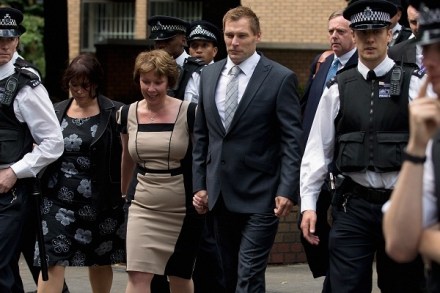
The acquittal of PC Simon Harwood on Thursday for the manslaughter of Ian Tomlinson provoked a strong reaction in the press. Leading the charge, the Daily Mail's headline summed up the mood: 'Freed, the 'thug in police uniform': what jury weren't told about the PC cleared of G20 killing.' The criticism was aimed at not only Simon Harwood, but also the Metropolitan police for re-employing the officer with a string of complaints against him, and the court for not allowing evidence of his disciplinary record to go before the jury, the insinuation being that there must be something wrong with a trial process that keeps the jury in the dark about a defendant's background.