Jason Brodsky

Jason M. Brodsky is policy director at United Against Nuclear Iran (UANI)

You can’t negotiate with Iran

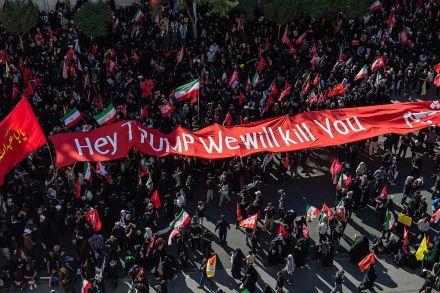
With the reimposition of the American naval blockade against Iran, the Memorandum of Understanding (MOU) between Washington and Tehran seems dead. Its demise reveals the Islamic Republic for what it has always been: an aggressive, terroristic power that has no interest in rejoining the community of nations. The Trump administration demonstrated with the MOU that it was willing to go big on sanctions relief for Iran. As part of its terms was a General License X that permitted Iran to sell oil using dollars for the first time in decades. The US military blockade was lifted. Discussions were beginning on the unfreezing of billions of dollars in frozen or restricted Iranian assets.
Meet the men now running Iran

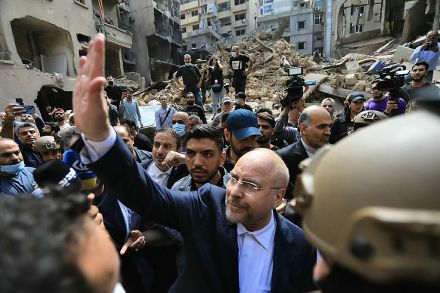
Since the launch of Operations Midnight Hammer and Epic Fury, Israeli and US strikes have thinned out Tehran’s political, military and security elite with a series of decapitation strikes. As the Trump administration seeks to explore diplomacy with the remnants of the Iranian regime, a core group of hardened men remain. The new Supreme Leader Mojtaba Khamenei has been injured and hasn’t appeared in public. Surrounding him are a group of influential Islamic Republic loyalists. They include parliament speaker Mohammad Bagher Ghalibaf; the new secretary of the Supreme National Security Council (SNSC) Mohammad Bagher Zolghadr; military advisor to the Supreme Leader Mohsen Rezaei, and commander-in-chief of the Islamic Revolutionary Guard Corps (IRGC) Ahmad Vahidi.

Iran’s Supreme Leader is just as bloodthirsty as his father

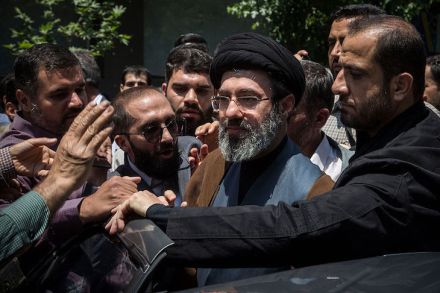
The announcement of Mojtaba Khamenei as the next supreme leader of Iran represents not only continuity in the Islamic Republic’s bloodstained rule but also an even darker turn for the Iranian establishment. Mojtaba Khamenei, the son of the late Supreme Leader Ali Khamenei, has long been associated with radical currents in Tehran. His supreme leadership, for however long it lasts, underscores that the Iranian regime will continue to be a thorn in the side of US interests. This mythmaking and symbolism are important in the Islamic Republic Mojtaba, who was born in 1969 in Mashhad, resembles his father physically but also experientially.