James Pinkerton

One hundred years after ‘A Nation Fit for Heroes’

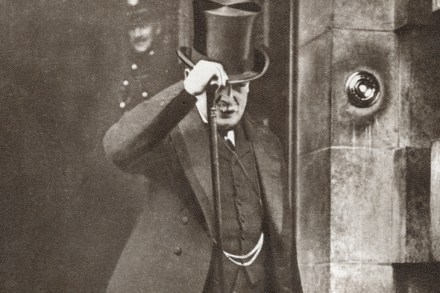
The centennial of the armistice ending World War One has received much attention, and deservedly so, and yet there’s another centennial, closely related, that also deserves to be remembered. On November 23, 1918, Prime Minister David Lloyd George, campaigning in Wolverhampton, declared, ‘What is our task? To make Britain a fit country for heroes to live in.’ Lloyd George thus put forth a vision of post-war solidarity, in keeping with the sacrifices made in wartime. National solidarity was made inevitable by mass-mobilization. That is, since the success of the levée en masse in revolutionary France, nations had come to understand that they needed the whole of their population motivated enough — and robust enough — to support the fight.

David Lloyd George

If America needs a manager, Michael Bloomberg bids to be the man

So Michael Bloomberg is now officially a Democrat. He started out as a Democrat, became a Republican, then an independent, and now he’s back to being a Democrat. These days, for a Manhattanite worth $52 billion, it’s the logical place to be. For their part, the Democrats, the erstwhile party of the workers, are happy enough to have him. After all, in 2016, Bloomberg loudly endorsed Hillary Clinton, and this year he has given the Democrats $100 million. And that’s on top of the many millions he has spent to advance liberal causes, notably gun control, climate change — and the dreaded super-sized soda. Still, that’s not the same thing as the Democrats’ being willing to pick him to lead anything — except perhaps their finance committee.

michael bloomberg

America’s carbon clash

From our UK edition

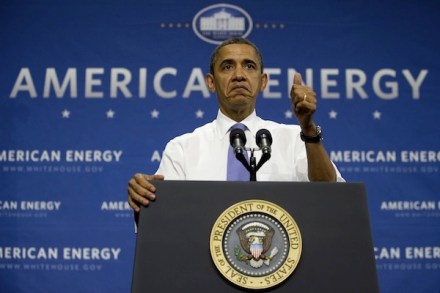
What happens when an irresistible force meets an immovable object? In US energy issues today, the irresistible force is broad public support for more energy consumption; the immovable object, on the other hand, is elite opposition to that energy consumption, specifically hydrocarbons. Four-fifths of American energy comes from fossil fuels, and so that accounts for a huge force of folks accustomed to driving their cars, heating their homes, and powering their workplaces by burning oil, natural gas or coal. Yet all that energy consumption — and the 5.2 billion or so metric tons of CO2 that it emits annually — is generating immovable opposition among green-influenced elites. US public opinion is clear enough — it wants more energy, and more consumption.