Ivan Hewett

In defence of the tyrannical male maestro

From our UK edition

Praising the grand old maestri of the podium isn’t a good look, as they say on Twitter. Conductors such as Herbert von Karajan, Leonard Bernstein and Georg Solti used to be lauded for the thrilling energy and sumptuous sound of their performances and recordings. These days if anyone mentions their names it’s only to list their crimes: tyrannising long-suffering orchestral players, commanding colossal fees, and in many cases looking on any female musician who comes within groping distance as fair game. The second of these alleged crimes I’m not so sure about. Earning lots of money is only a sign of moral turpitude if the money was dishonestly obtained. But there was nothing immoral about the sky-high earnings of Karajan.

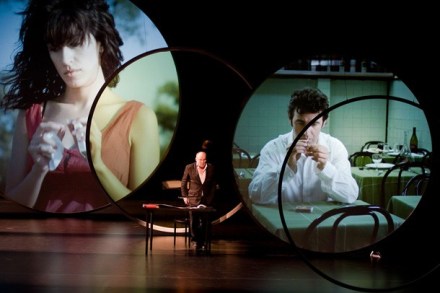
Could a piece with no singing be the future of opera?

From our UK edition

Nowhere are human beings so magnificently self-assertive as in opera.  Everything about operatic characters is outsize; their bodies, their flowing gowns and capacious cloaks, and their desires. No sooner has the hero set his eyes on the leading lady than he trumpets his desire to possess her; when the villain spots his victim, he tells us how he longs to send him to hell. All this fervent emotion is channelled through those great ringing voices, aided and abetted by the orchestra’s surges and swells. It’s exhilarating to behold, partly because we envy these creatures their unbuttoned emotional life. We, by contrast, are held back by a thousand scruples and doubts. The question T.S. Eliot put into the mouth of J. Alfred Prufrock – ‘Do I dare to eat a peach?