What’s next for the DUP?
From our UK edition
13 min listen
Arlene Foster has stepped down as leader of the Democratic Unionist Party. What's next for the party? Isabel Hardman speaks to James Forsyth and Katy Balls.


Isabel Hardman is assistant editor of The Spectator and author of Why We Get the Wrong Politicians. She also presents Radio 4’s Week in Westminster.
From our UK edition
13 min listen
Arlene Foster has stepped down as leader of the Democratic Unionist Party. What's next for the party? Isabel Hardman speaks to James Forsyth and Katy Balls.
From our UK edition
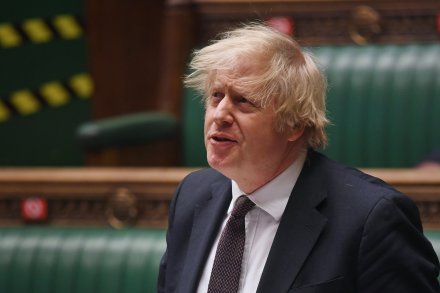
Boris Johnson did not have a good Prime Minister's Questions. It was never going to be a comfortable session, given the multiple rows about the funding of the Downing Street flat revamp and his reported comments about letting bodies 'pile up'. But the way the Prime Minister approached it ensured both that the story will keep running and that he betrayed quite how annoyed he is by it. It is little use trying, as Johnson repeatedly did, to argue that the British people are not interested in the line of questioning that Sir Keir Starmer was pursuing. For one thing, there is nothing like a politician claiming that something is 'boring' or a 'non-story' to make the media want to cover it all the more.
From our UK edition
14 min listen
Reports today suggest that the Conservative Party initially covered the costs of the Downing Street refurbishment. Will Conservative members, and the public at large, care? Katy Balls speaks to James Forsyth and Isabel Hardman.

From our UK edition
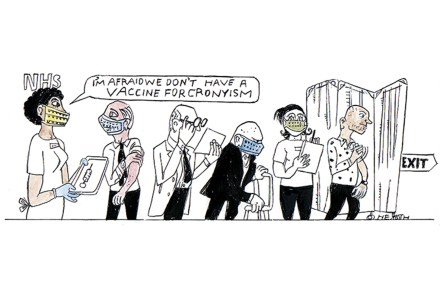
One of the reasons the row isn’t fading about Tory sleaze allegations and the Prime Minister’s conduct is that there are so many different facets to it. Each row has its own faction within the Conservative party and indeed within No. 10, and so far there is scant evidence that any of these factions are backing down. Labour isn’t likely to benefit from this story politically just yet While the stories are now front-page news, it is also the case that allegations about special treatment for friends and donors have been bubbling away for a year now.
From our UK edition
11 min listen
Simon Case dodged questions from MPs about his lockdown leak inquiry at a select committee appearance this afternoon, and refused to go into details about how Boris Johnson paid for the refurbishment of his Downing Street flat, saying the PM would make the 'relevant declarations'. Why did Case stonewall the committee? Katy Balls speaks to James Forsyth and Isabel Hardman.
From our UK edition
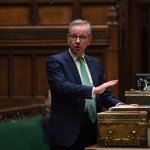
This afternoon's urgent question on allegations of Tory sleaze could have been a rather explosive affair. Instead, it was used by members of all parties to produce a series of rather rubbish slogans for the local and devolved assembly elections next month. The Conservatives wanted to deflect attention from their problems by complaining about a series of things: that the other parties were bad too, that voters didn't care about this stuff anyway, and that the government was being criticised for trying too hard in the pandemic. Labour and the SNP wanted to nail the Tories and produce similar clips for their campaigns, and the Lib Dems had a number of targets, including the SNP.

From our UK edition
Bluebell season is beginning. In the next few weeks, woodland floors will have a fine blue mist hovering above them. This flowering season is so sensuous: there’s the sound of bees buzzing in and out of the flowers, the smell of their blooms, the cool spring breeze in the woods where they grow, and that magical blue colour. These plants are protected and you can’t pick them, though it is a mystery why anyone would want to when a bluebell bouquet droops so quickly and looks miserable compared to the sea of flowers it has been stolen from. You also can’t really enjoy them through pictures alone. Clever photography does bring you an idea of what a bluebell wood is like, but it is still a pale imitation.
From our UK edition
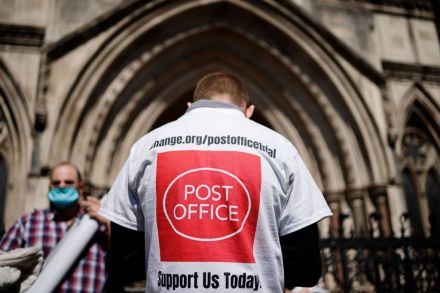
How could the subpostmaster scandal, in which hundreds of small business owners had their lives ruined after being wrongly accused of taking money from the Post Office, have gone on for so long? The subpostmasters were sucked into a nightmare when the Post Office installed a new accounting system called Horizon to replace old manual accounting practices. They found that their tills just weren't balancing. Some tried to top up the difference from their own money, but the discrepancies mounted until some stretched into tens of thousands of pounds. When they asked for help from the Post Office, they were told they were the only people having trouble. They weren't alone, and neither were they in any way responsible for the huge shortfalls in their tills.
From our UK edition
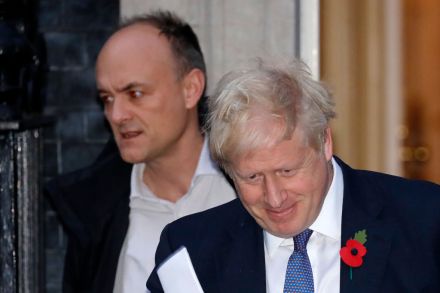
Downing Street has hit back in its war with Dominic Cummings, after the former aide published an explosive blog post about leaks and ‘possibly illegal’ plans to renovate the Prime Minister’s flat using donations. A No. 10 spokesperson this evening said: ‘This government is entirely focused on fighting coronavirus, delivering vaccines and building back better.’ And then on the allegations Cummings made about the renovation of the flat: The kindest interpretation is that this is the Prime Minister’s preferred way of working ‘At all times, the Government and Ministers have acted in accordance with the appropriate codes of conduct and electoral law.
From our UK edition
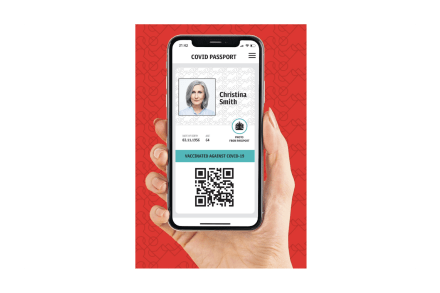
Michael Gove's trip to Israel to study the country's 'green pass' system isn't diminishing the impression among Conservative MPs that the UK government has already made up its mind on vaccine passports. A number who I have spoken to are taking the lack of communication from their party whips as a sign that the policy will be going ahead, as there is no point in canvassing opinion on a matter if the Prime Minister is going ahead with it regardless of the feedback he gets. Some MPs who are opposed to the domestic use of what ministers are currently calling 'vaccine certification' are concerned that the way No. 10 plans to get the vote through the Commons is by making it about both international and UK use.
From our UK edition
10 min listen
Boris Johnson's trip to India was today cancelled as the country battles a new coronavirus variant. The PM was expecting to push Modi to release AstraZeneca vaccines to Britain, but that now looks unlikely. What does this mean for the UK's roadmap? Katy Balls speaks to James Forsyth and Isabel Hardman.

From our UK edition
9 min listen
The UK and EU are holding talks over how to fix the Northern Ireland Protocol and stop the continuing violence on the island. Cindy Yu speaks to Katy Balls and Isabel Hardman about whether there's a way forward.

From our UK edition
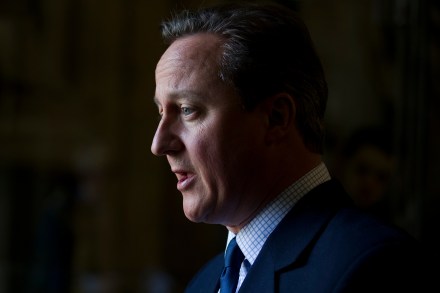
When David Cameron started contemplating life after Downing Street, he settled quite quickly on a model of what it should look like. He would stay on the backbenches, providing advice and wisdom to whoever came after him, earn a little bit of extra money while still working as an MP, and continue in public service with charities and others. In 2016, he outlined his approach to me as we sat in a cafe in Witney, and I wrote it up in my book, Why We Get The Wrong Politicians: He mourned the number of former ministers who had departed at the 2015 election, and suggested that you could do other things alongside being an MP if you did fancy a little bit more income to make up the ministerial salary you had lost.
From our UK edition
10 min listen
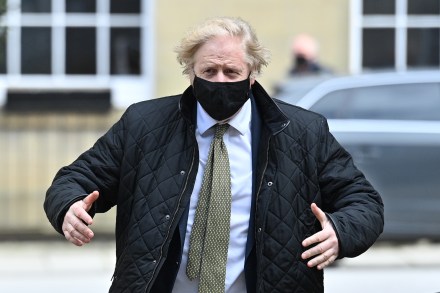
Boris Johnson today said that the fall in coronavirus hospitalisations and deaths 'has not been achieved by the vaccination programme'. After pubs, restaurants and shops reopened yesterday, why is the PM talking down vaccines? Cindy Yu speaks to Katy Balls and Isabel Hardman.
From our UK edition
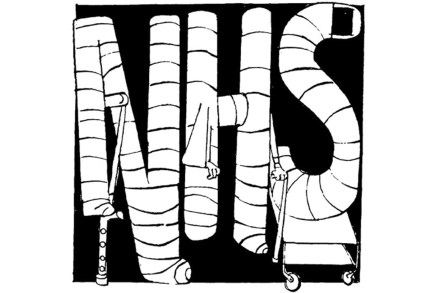
The NHS vaccination programme has reached its latest big milestone of offering a jab to everyone in the top nine priority groups three days ahead of schedule. Everyone in government and the health service is celebrating. Boris Johnson has been busy thanking 'everyone involved in the vaccine rollout which has already saved many thousands of lives', while NHS chief Sir Simon Stevens has said: 'Thanks to our NHS nurses, doctors, pharmacists, operational managers and thousands of other staff and volunteers, the NHS Covid vaccination programme is without a doubt the most successful in our history. It's one of our tickets out of this pandemic and offers real hope for the future.
From our UK edition
11 min listen
David Cameron finally issued a statement over the weekend on the ongoing Greensill scandal. Gordon Brown also waded in this morning, telling the Today programme that there should be a five-year cooling-off period before former PMs can lobby. Will this but the issue to bed? Katy Balls speaks to Isabel Hardman.

From our UK edition
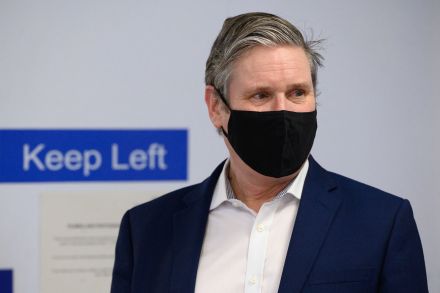
Keir Starmer obviously regrets visiting Jesus House last week because of the furore it has caused in his own party. But he will likely come to regret his reaction even more. The Labour leader posted a full apology for the Pentecostal church visit, saying: ‘I completely disagree with Jesus House’s beliefs on LGBT+ rights, which I was not aware of before my visit. I apologise for the hurt my visit caused and have taken down the video. It was a mistake and I accept that.’ The whole thing is, as Brendan O’Neill points out, rather awkward, given Starmer chose to visit this church during a key Christian festival and given non-mainstream views on homosexuality are a feature not just of many churches but many other religious groups.
From our UK edition
Has the pandemic really been good for the way the NHS treats mental health? That’s the rather startling claim I report on today in my i paper column. Ministers have started to talk — equally surprisingly, it has to be said — about the possibility that they are close to reaching parity of esteem between the treatment of mental and physical health, and that the chaos of Covid is partly responsible. Covid has certainly made it harder for the government to just offer talk and no cash on mental health Now, it slightly depends on what your definition of ‘parity of esteem’ is.

From our UK edition
11 min listen
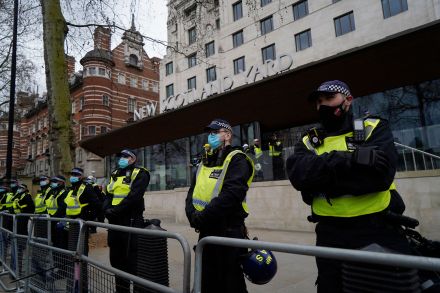
A report on the Met Police's handling of Sarah Everard's vigil has concluded that the force 'acted appropriately'. Was the conclusion a surprise, and has the new Policing Bill given them too much power? Isabel Hardman speaks to James Forsyth and Katy Balls.
From our UK edition
There is little to celebrate in today’s first anniversary since Britain went into lockdown, but Boris Johnson did try his best to mark it with a positive message about what was to come. The Prime Minister held a press conference in Downing Street this evening where he told the public that he wanted to ‘to thank everybody for their courage, your courage, discipline and patience’, and promised that the government was on track to meet its vaccination targets. He closed by saying: ‘And cautiously but irreversibly, step by step, jab by jab, this country is on the path to reclaiming our freedoms.