Hardeep Singh

Hardeep Singh is deputy-director at the Network of Sikh Organisations

Why is India’s parliament discussing an Oxford free speech row?

From our UK edition

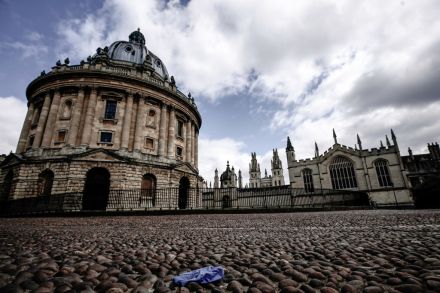
As with almost every country around the world, India is busy dealing with the Covid crisis. But its parliament briefly turned its attention away from the pandemic in the last few days to another issue playing out thousands of miles away: a row at Oxford University involving an Indian postgraduate student. This no ordinary campus bust-up: the fallout could have big implications for the relationship between India and Britain. Rashmi Samant, who is the first child in her family to go to university, made history last month when a landslide victory saw her become the first Indian woman to head up the Oxford Student Union (OSU). But her victory was short-lived. Within days she was forced to resign after old Instagram posts were dug up.

The difficulty of cracking down on ‘hate’

From our UK edition

In general, my experience as a British Sikh has been overwhelmingly positive in my life. Most people who know anything about Sikhism, or the Sikh contribution to the world wars, tend to be enthusiastic Sikhophiles – some have even greeted me with an impromptu Sikh greeting, ‘Sat Sri Akal’. But over the years, especially during my time at university, I faced prejudice from both Islamic extremists and those who might be best described as the ‘Far Right’. It’s been an illuminating experience. Both hated me, albeit for different reasons. One supremacy is religiously motivated against the ‘kaffir’, the other by race. This hate was often accompanied with the slur ‘Paki’ followed by, ‘go back to your own country’.

India’s vaccine diplomacy

From our UK edition

‘Vaccine diplomacy’ is playing an increasingly important role in the geopolitics of the Covid-19 pandemic. Countries like China and India are attempting to bolster their credentials and earn some goodwill, by donating or selling their surplus vaccine supplies to low-income countries, or nations with longer term partnership potential. China has already donated half a million doses of the Sinopharm vaccine to its regional ally Pakistan. This followed President Xi’s announcement earlier this year that the development and deployment of a Chinese vaccine will be ‘a global public good.

Victims of grooming gangs have been failed again

From our UK edition

The Home Office's report into the characteristics of group-based child sexual exploitation was keenly awaited by victims of grooming gangs. Sadly, for many of these people, it has left them disappointed.  When Sajid Javid commissioned the review he promised there would be ‘no no-go areas of inquiry’. His successor as Home Secretary, Priti Patel, says in the report itself that ‘victims and survivors of these abhorrent crimes have told me how they were let down by the state in the name of political correctness. What happened to these children remains one of the biggest stains on our country’s conscience.’  But victims I’ve spoken to suggest political correctness remains an issue.

Renaming streets isn’t necessarily a bad idea

From our UK edition

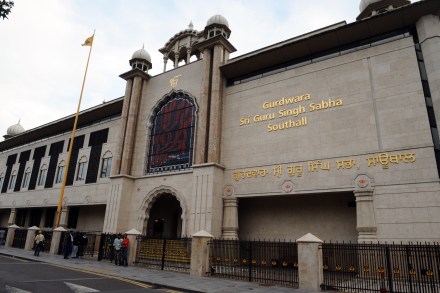
A few days ago, Ealing Council put out a statement saying that ‘following consultation’ the local authority had decided to rename a street in Southall. Part of Havelock Road, the Labour-led council explained, would be renamed ‘Guru Nanak Road’. It appears the local authority wanted the renaming to coincide with the 551st anniversary of the birth of Sikhism’s founder Guru Nanak and that the London council was planning to ‘celebrate and honour’ this religious figure. According to the pressure group Save Our Statues (SOS), just 16 households of the 345 contacted for their views on the proposed renaming had actually engaged with the process. Of those 16 who replied, just seven supported the proposals.

Comedians are vital allies in the fight for free speech

From our UK edition

Thank God for comedians. We need them more than ever in these miserable times to cheer us up. But they also play a more vital role: in the fight for free speech. John Cleese is the latest comedian to join the battle. During a debate on the controversial Scottish hate crime bill, Cleese said it would be 'disastrous to the creative process because the creative process is a matter of spontaneity’. He's right: this is a law which if introduced could change comedy – and free speech – for ever.  Cleese is not the only comedian to speak out. Rowan Atkinson has co-signed a letter warning the proposals could stifle freedom of expression.

Why is Covid-19 ‘racist’ but not ‘ageist’?

From our UK edition

It appears nothing and no-one is safe from being accused of racism nowadays: statues, bra names and even Covid-19. Referring to evidence that coronavirus disproportionately affects black, Asian and minority ethnic communities (BAME), as well as men and those who are obese, Tory peer Lord Bethall has said: ‘This disease is racist, fattist and sexist and we need to understand why it is discriminatory in all these areas.’ But does a greater susceptibility to disease due to risk factors like race really make an infectious disease ‘racist’?

Nigeria’s Christians are in a perilous position

From our UK edition

Six years ago the kidnapping of 276, mainly Christian, schoolgirls by Islamist group Boko Haram in Chibok, Nigeria resulted in international condemnation. #BringBackOurGirls trended on Twitter and even Michelle Obama, then First Lady, posted an image of herself with the hashtag. For a brief period in 2014, an awareness of Christian suffering in Nigeria was heightened worldwide. Last week, the UK All-Party Parliamentary Group (APPG) for international freedom of religion or belief published a report on its findings of Christian persecution in Nigeria. Their plight may no longer be at the forefront of our minds here in the West, but it has nevertheless been meticulously captured here.

Statue-topplers are erasing Anglo-Sikh history

From our UK edition

The ‘topple the racists’ campaign is on the lookout for its next target. Cecil Rhodes, Robert Clive and even Lord Nelson are on the hit list. But so too is another curious name from the past: Sir Walter Raleigh Gilbert. An army officer in the 19th century, Gilbert led a division of the East India Company responsible for killing Sikhs in the second Anglo-Sikh war. The ‘topple the racists’ website highlights this particular point, whilst providing a postcode (presumably for activists to plug into their sat navs) for the 150ft memorial which looks out over Bodmin. So should Gilbert meet the same fate as Edward Colston? No, because this nomination requires a more nuanced understanding of history.

Labour is stirring up Sikh identity politics

From our UK edition

It's good news that next year's census will not include a separate Sikh ‘ethnic’ tick box. A no brainer, you may say, because Sikhism is a religion (already recorded in the census), which like any other includes people from various ethnic groups. But don't be fooled: this issue has been highly contentious – and Labour has only made matters worse with its meddling. Campaigners from a group called the Sikh Federation UK (SFUK) point out that Sikhs are recognised as an ethnic group under law (a point I addressed here).

Why the Home Office should publish its grooming gang research

From our UK edition

When Sajid Javid, as Home Secretary, launched a review into the characteristics of ‘Asian’ grooming gangs in 2018 and boldly declared there would be ‘no no-go areas of inquiry’, many hoped that we’d finally begin to understand this national scandal. We would find out why men involved in street-based sex grooming gangs are so wicked, and why they often seem to target vulnerable white working-class girls. Is it racially or religiously motivated crime, as indicated by some judges – and increasingly highlighted by victims themselves? Or are there other associated factors, such as the night-time economy?

Trevor Phillips’s fate should terrify us all

From our UK edition

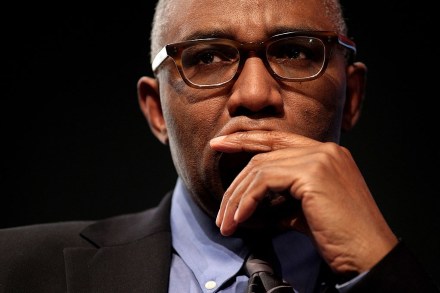
Trevor Phillips' suspension from the Labour party over allegations of ‘Islamophobia’ has been roundly condemned, but it should come as little surprise. After all, Phillips has been a high-profile opponent of the very definition that is now being weaponised against him. What has happened to him should serve as a warning to others who call out the problems with 'Islamophobia'. If someone as well known as Phillips can be targeted for speaking out, no one is safe. Within hours of Phillips being suspended by the party whose cause he has promoted for 30 years, his colleagues, both past and present, leapt to his defence.

Can Twitter be saved from the mob? Rishi Sunak’s Yorkshire Tea row makes me sceptical

From our UK edition

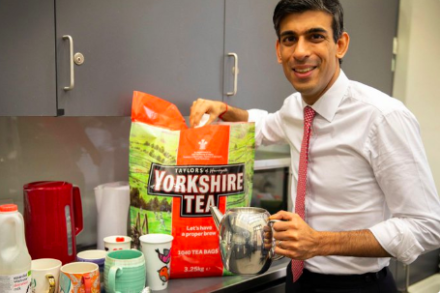
Rishi Sunak is not the first politician to share a staged picture of himself. But the response his tweeted image received has surely been the most furious so far. Standing in front of a giant bag of Yorkshire Tea, the Chancellor wrote: ‘Quick Budget prep break making tea for the team. Nothing like a good Yorkshire brew.’ Innocuous stuff, you might think. But not for the Twitter mob. Quick Budget prep break making tea for the team. Nothing like a good Yorkshire brew. pic.twitter.com/zhoQM9Ksho— Rishi Sunak (@RishiSunak) February 21, 2020 Incensed left-leaning keyboard warriors have vented their fury at the poor person running the Yorkshire Tea Twitter account for several days now.

Laurence Fox’s ‘clumsy’ criticism of 1917 is good for British Sikhs

From our UK edition

A while ago, Laurence Fox referred to "the oddness in the casting" of a Sikh soldier in film 1917 - a daft thing to say given how many Sikhs did fight in that conflict. He said the inclusion of a Sikh soldier (played by Nabhaan Rizwan) in a scene alongside a British regiment was 'incongruous' with the rest of the film. The backlash came not just from the army of ‘woke’ enemies he has collected following his Question Time appearance but also from my fellow Sikhs, some of whom reactively published some Punjabi words I dare not repeat. Fox has since apologised to ‘fellow humans who are #Sikhs'. But on reflection, I’ve come to the conclusion that rather than being berated, Fox should be celebrated. Why?

It’s time to have an honest conversation about ‘Asian’ grooming gangs

From our UK edition

It's vital to talk plainly about what led to the situation in Manchester, where vulnerable white working-class girls were sexually abused as those tasked with protecting them simply looked on. The perpetrators have been described as belonging to 'Asian' grooming gangs. But the Times has reported that those involved were 'mainly of Pakistani heritage'. So what's the truth about who these men are? This is a difficult and uncomfortable topic, but to prevent a repeat of what unfolded in Manchester, it is vital to speak openly. According to a harrowing report from the independent inquiry into the failings of Greater Manchester Police (GMP) and council, gangs of 'predominantly Pakistani men' were left free to abuse dozens of children aged between 12 and 16.

The disturbing truth is that the British far-left is now awash with anti-Semites

From our UK edition

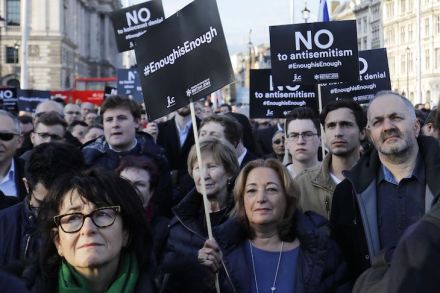
Over the years I’ve often myopically associated anti-Semitism with the far-right or Islamist extremists who harbour a special antipathy for Jews. But a new report, Antisemitism Barometer 2019, suggests Jew hatred in Britain is more prevalent amongst the far-left when compared to the far-right. Perhaps this should all come as little surprise, given Corbyn’s Labour is currently under investigation for allegations of anti-Semitism by the Equalities and Human Rights Commission (EHRC). No doubt it’s an uncomfortable truth for Labour moderates to countenance, especially when the only other party to have been investigated by the EHRC is the BNP, which was forced to change their white only membership policy.

Why I’m cynical about politicians ‘doing God’

From our UK edition

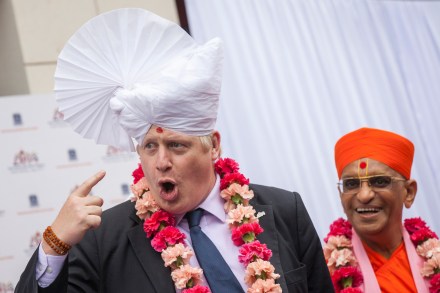
Alastair Campbell famously declared that ‘We don’t do God', yet it is customary that part of an election campaign includes wooing Britain’s minority faith communities – be they Sikhs, Hindus or Muslims. Boris and Corbyn are no exception. In recent weeks, both party leaders have donned saffron headscarves while visiting Sikh temples (gurdwara). Both have published congratulatory tweets on the 550th birthday of Sikhism’s founder, Guru Nanak, and participated in the langar or free kitchen (always a good photo op). Boris even had a go at making the notoriously elusive round chapati with worshippers in Milton Keynes and Southall.

The BBC’s paranoia about causing offence has reached a new high

From our UK edition

If the Naga Munchetty fiasco wasn’t cause for enough embarrassment for the BBC, an apparent attempt to censor a script referring to a Sikh Guru’s martyrdom for fear it, ‘might offend Muslims’ should certainly be. The Beeb’s in-house ‘thought police’ have driven Lord Singh to quit a radio slot he’s contributed to for thirty-five years. It’s a sorry state of affairs – not just because it highlights a new high in BBC paranoia on giving imagined offence to imaginary people, but because it demonstrates how historical facts (not just opinions) are not immune to censorship. In the end, the broadcast went ahead. It did not criticise Islam and unsurprisingly received no complaints.

Why was a disabled grandad sacked by Asda for sharing a Billy Connolly clip?

From our UK edition

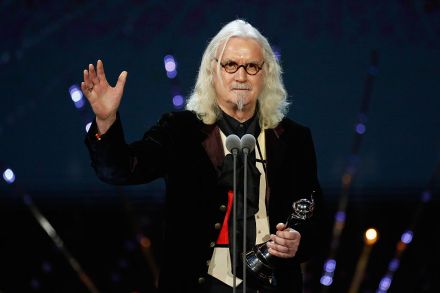
I don’t prefer shopping at a specific supermarket. For some it’s a sign of social status, like the toffs who pride themselves in navigating the aisles of Waitrose, while sneering at the plebs in Lidl. However, my supermarket choice may now be influenced by the outrageous behaviour of Asda (in Dewsbury), who sacked a disabled grandad for sharing a clip of Billy Connolly ridiculing both Islam and Christianity on his personal Facebook page. Has blasphemy become a sackable offence in modern Britain? The man in question is 54-year-old Brian Leach from Yorkshire. Leach, who’d worked for Asda for five years, told the Examiner Live: ‘I was summarily dismissed without notice following a disciplinary meeting for breaching the company’s social-media policy.

Labour’s Tan Dhesi is wrong about ‘Islamophobia’

From our UK edition

I like Tan Dhesi, the Labour MP for Slough. I’ve known him since we were both fresh-faced university students. We last met at this year’s Vaisakhi reception at Downing street and he was as cordial as ever. It was a proud moment for us all, when he was elected as the first turban wearing Sikh in parliament. I’m always intrigued by what colour turban he will next be wearing whilst eloquently articulating constituent concerns in the Commons – purple, peach, or perhaps pink? That said, I’m afraid he’s got it wrong on the issue of defining ‘Islamophobia’, which includes attacks on Sikhs or the ‘Muslim looking other’.