In a fateful era of mob rule, a new radicalism could be our best hope
From our UK edition
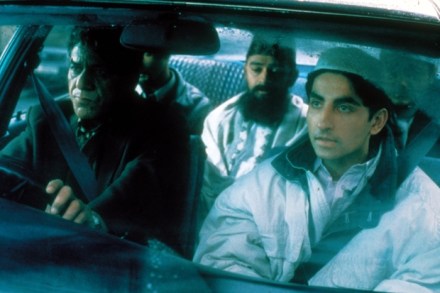
In the early 1990s, after the shock of the 1989 fatwa against Salman Rushdie, I began to do some research among those who condemned him, and learned that a strange thing was happening among young British Muslim men and women. I first wrote about this strange thing in my novel The Black Album, which concerns a young man who comes to London from the provinces to study and finds himself caught between the sex-and-ecstasy-stimulated hedonism of the late 1980s and the nascent fundamentalist movement. At the end of the novel the Asian kids — as they were called then — burn The Satanic Verses and attack a bookshop. I followed this up with a story published in the New Yorker, ‘My Son The Fanatic’.