Ferdie Rous

Cambridge, ‘whiteness’ and the politicisation of Classics

From our UK edition

In Cambridge University’s latest push to right the wrongs of history, its Museum of Classical Archaeology will add some signage to explain the ‘whiteness’ of its collection of Greek and Roman statues. The Classics faculty, of which the museum is part, has taken this great and noble mission upon itself in response to an open letter signed by dozens of students, alumni and academics — including the chair of the Classics faculty itself. The letter calls for ‘an acknowledgement of the existence of systemic racism within Classics’ and argues that the white plaster casts of Classical statues give a ‘misleading impression’ of an ‘absence of diversity’ in the ancient world. The museum agrees, and so up goes the signage.
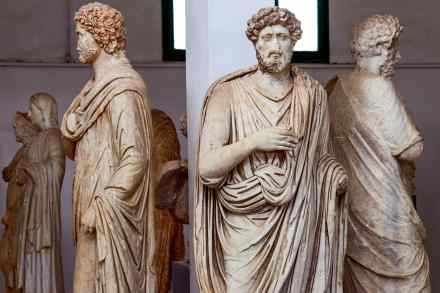
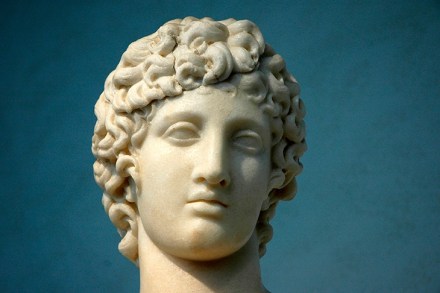
The aesthetic prejudice towards white classical statues

From our UK edition

In the 1930s curators at the British Museum, under orders from Lord Duveen, a generous donor, scoured and hacked at the friezes and statues of their Parthenon collection. They were trying to remove the smudges and stains thought to be discolouration, to restore the marbles to their original colour — white. But it wasn’t discolouration; it was paint. Though the idea was rejected for years, an arsenal of new technologies — infrared, ultraviolet, X-ray and chemical analysis — has since established that classical sculpture was slathered with the stuff. Though polychromy — the art of painting statues and architecture — was finally accepted in the 1970s, it was proposed over a century before Duveen’s men picked up their chisels.