David Trimble

Crossing the line

From our UK edition

When I negotiated the Good Friday Agreement nearly 20 years ago, no one foresaw a day when the -United Kingdom would be leaving the European Union. It was impossible to imagine how the issue of the border between Northern Ireland and the Irish Republic, from which the barriers were removed as part of the agreement, would again become an issue of such political importance. We have the Taoiseach, Leo Varadkar, threatening to veto the Brexit negotiations unless Theresa May gives a formal written guarantee that there will be no hard -border, and we keep hearing the argument that a departure of the UK from the single market and the customs union would put at risk the peace process and Good Friday Agreement.
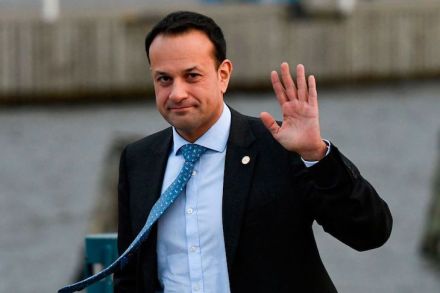
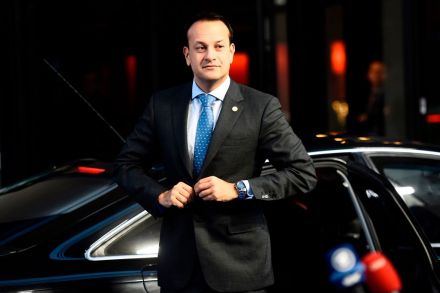
David Trimble: the Taoiseach should stop trying to out-Sinn Fein Sinn Fein

From our UK edition

When I negotiated the Good Friday Agreement nearly 20 years ago, no one foresaw a day when the United Kingdom would be leaving the European Union. It was impossible to imagine how the issue of the border between Northern Ireland and the Irish Republic, from which the barriers were removed as part of the agreement, would again become an issue of such political importance. We have the Taoiseach, Leo Varadkar, threatening to veto the Brexit negotiations unless Theresa May gives a formal written guarantee that there will be no hard border, and we keep hearing the argument that a departure of the UK from the single market and the customs union would put at risk the peace process and Good Friday Agreement. In other words, if the border gates go back up again we will be back into the Troubles.

Opportunists and tacticians, but poor strategists

From our UK edition

On the back of the dust cover there proudly appears the following quote from the Sunday Times towards the end of last year: 'Ed Moloney's authoritative and devastating Penguin History of the IRA is just around the corner.' Well, up to a point. Ed Moloney is a well respected journalist writing for a Dublin newspaper who, for many years, has specialised in making a close study of Irish republicanism. As far as I can tell he is a reliable guide to the machinations within the republican movement. These apparently different organisations respond to a single leadership group of about a score of persons, many of whom appear in various positions in the two structures, but it also includes some that are not in the apparent leadership of either.