David Shabtai, MD

The ethical minefield of crowdfunding for medicine

In an historical crowdsourcing effort, more than 23,000 people put together more than $2.2 million in just four short days to help a little girl that very few of them even knew, so she might have a decent quality of life. Now her family can finally afford one of the world’s most expensive medicines ever, it’s perhaps now appropriate to reflect on how we got here. At first, I assumed it was just another scam. Another email and WhatsApp message trying to raise money for a family in a difficult situation that nobody really knows, whose situation nobody could really verify, looking for a medical therapy or financial solution unlikely to actually help resolve their situation.

medicine adhd

Dispelling the myth of the vaccine-autism controversy

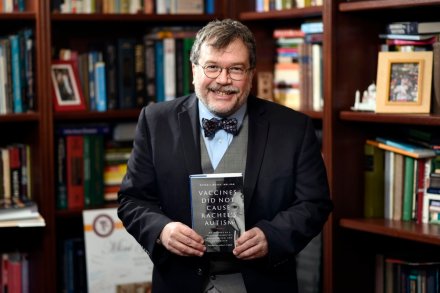
Vaccines didn't cause Rachel’s autism. Or Sam’s, or Daniel’s, or anybody else’s for that matter. The reason is simple. Vaccines don’t and can’t cause autism. Peter Hotez ought to know. A certified pediatrician, he's one of the world’s leading vaccine scientists, developing vaccines against ‘neglected tropical diseases.’ He’s also the father of Rachel, an autistic and intellectually challenged young woman. There is no vaccine controversy, just as there is no shape-of-the-earth controversy. Anybody who understands the scientific method knows that there is no link whatsoever between vaccines and autism, just as they know that they can walk as far as they’d like around the world without falling off the edge.

vaccines autism