David Abulafia

David Abulafia

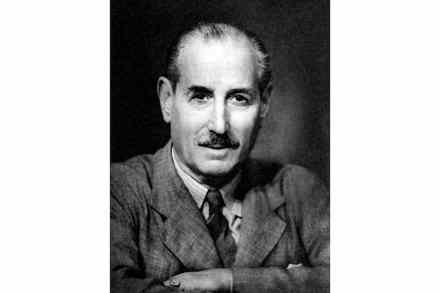
David Abulafia is emeritus professor of Mediterranean history at the University of Cambridge.

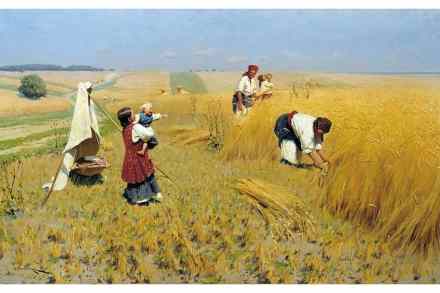
Bitter harvest – how Ukraine’s wheat has always been coveted

From our UK edition

Publishers love books with ambitious subtitles such as ‘How Bubblegum Made the Modern World’, and this one’s, about American wheat remaking the world, was no doubt devised to appeal to readers in the United States. It is not really appropriate: for ‘American’, read ‘Ukrainian’. The focal point of Oceans of Grain lies very far from

Were old children’s history books racist?

From our UK edition

If Brighton and Hove Council has its way, children as young as seven are to be taught about the ‘white privilege’ supposedly derived from 500 years of colonialism. But is it true that the history we have been learning from childhood has been infused with the great isms of our day – colonialism, imperialism and

Masters of the opium trade: the fabulous wealth of the Sassoons

From our UK edition

Just before I started to read this book I had been immersed in the letters written by Jewish merchants based in Cairo from the tenth to the 12th centuries describing the trade they conducted across the Indian Ocean all the way to the Malabar coast. These letters are written in a difficult cursive Hebrew script

Why does Priyamvada Gopal find ‘eloquence’ troubling?

From our UK edition

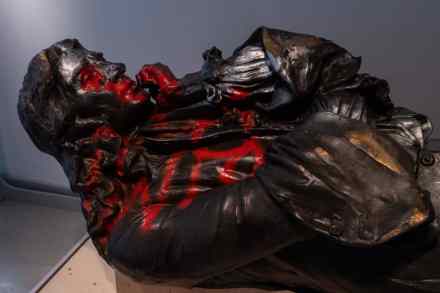
Why should anyone feel insulted when they are described as ‘eloquent’? Priyamvada Gopal, professor of post-colonial studies at Cambridge University, felt moved to speak on behalf of David Olusoga when I used that very compliment to describe him. In an article for the Daily Telegraph, I argued that Olusoga’s testimony in the trial of the ‘Colston Four’

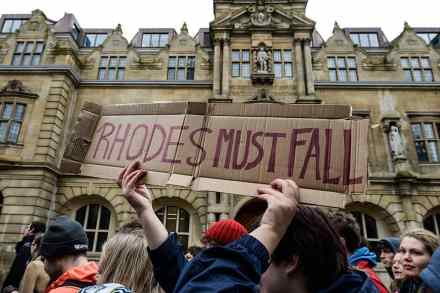
Rhodes, Columbus and the next heritage battle

From our UK edition

On 12 October this year, Columbus Day, a statue of the Italian in Belgrave Square was vandalised by activists from Extinction Rebellion who described Columbus as ‘father of the slave trade’. Entirely ignorant of his life and ambitions, Columbus’s critics frequently turn to the searing denunciations of Bartolomé de Las Casas who excoriated the Spanish

What’s behind Cambridge’s anonymous reporting system?

From our UK edition

Here is a challenge. Cambridge University provides an electronic Daily News Digest to anyone who wants to see how the university is being reported in the press. Will the News Digest include this article? On past form, that seems unlikely. When arguments arose in the past few weeks about Cambridge’s Report + Support website, which

Carlo Rovelli, David Abulafia and Laura Freeman

From our UK edition

26 min listen

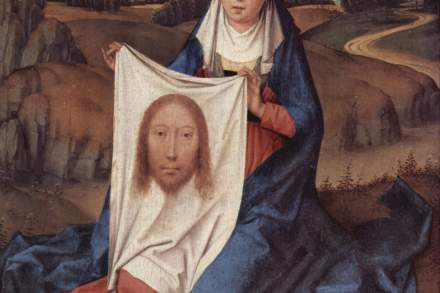
On this episode, writer and physicist Carlo Rovelli, ponder time and space in a world were the meaning of both has shifted. (01:00) Then, David Abulafia talks about the need for conservatives at universities. (07:29) Finally, Laura Freeman gets us ready for easter with the stories and the art depicting St Veronica. (15:27)

University challenge: conservatives are now the radicals on campus

From our UK edition

On the letters page of the Sunday Times last month, the presidents of the Royal Historical Society and the Historical Association were among the signatories to a letter boldly headlined ‘History must not be politicised’. They were incensed by a rumour that government funding might be cut for the Colonial Countryside project, which looks at

The many uses of frankincense and myrrh

From our UK edition

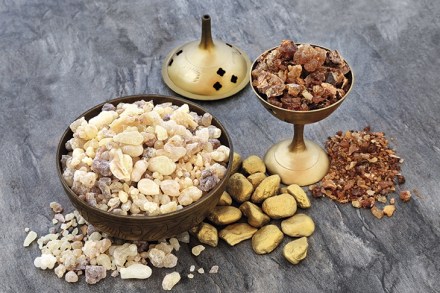
‘And when they were come into the house, they saw the young child with Mary his mother, and fell down, and worshipped him: and when they had opened their treasures, they presented unto him gifts; gold, and frankincense, and myrrh.’ About 15 years ago, a colleague at Cambridge was returning from a visit to Yemen.

No, racism isn’t a ‘creation of white people’

From our UK edition

I remember that, as a small child, I was told not to talk when my father took me inside the public library in Richmond. Now I find that the British Library has rendered me speechless. With the apparent approval of the chief librarian, Liz Jolly, a review of statues and artworks in the library is

We should build more memorials to controversial people

From our UK edition

I have been making the best of lockdown by reading properly, from start to finish, Edward Gibbon’s Decline and Fall of the Roman Empire, in a seven-volume edition that is less daunting than it sounds, when you consider how addictive his rolling prose is. I have just reached the point, near the end of the