Daniel Jackson

Telescopes in contact lenses: a brilliant idea after the fiasco of Google Glass

From our UK edition

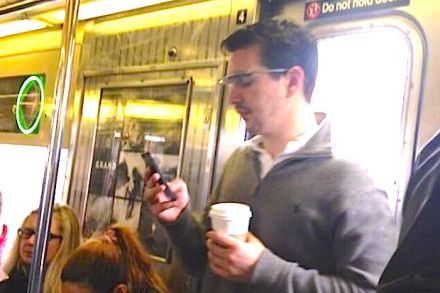
Yesterday at SXSW, the world's grooviest 'interactive festival', the head of Google X – the company's mysterious research lab – finally admitted it. Google Glass was one gigantic embarrassment. Or, as Astro Teller put it, 'We allowed and sometimes even encouraged too much attention for the programme'. You don't say. For a glimpse of the sort of attention Google didn't want, just look at the photograph above – some poor sap on the subway using Google Glass and a smartphone. It went viral on Twitter. The guy was dubbed 'the glasshole', a pun that works in both American and English accents. Google Glass has given wearable tech a bad name: it's raw material for standup comics.
Lib Dems are promising to revolutionise mental health care. This is opportunism, pure and simple

From our UK edition

Given their record in government, any sane person would regard a pledge by the Liberal Democrats with a healthy dose of cynicism. Their latest hobby-horse is mental health; it has been the subject of several recent speeches and the issue has a dedicated page on their website. The ‘mental health action plan’ consists of seven pledges, most of which are pitifully vague. For example, the pompously named 'Crisis Care Concordat' is about 'making sure no one experiencing mental health crisis is ever turned away from services'. I'm not being flippant when I ask: what do they mean by 'mental health crisis'? It's not like diagnosing pneumonia or a broken leg.

MPs back plain cigarette packets. Smokers, get over it. Or switch to pretty e-cigs

From our UK edition

MPs are voting today in favour of the introduction of standardised cigarette packaging. There hasn't even been a debate on the issue and the BBC thinks the result is a foregone conclusion. That's bad news for the tobacco industry, hardline libertarians and Nigel Farage. It's been amusing watching the Tobacco Manufacturer's Association carve out its nuanced – almost schizophrenic – position on the matter. Smoking is bad for our health and it is impossible to argue otherwise. So they don’t. Theirs must be the only industry which is resigned, ostensibly at least, to deterring potential customers. Big tobacco firms have an obligation to their shareholders, so they have to say something in their own defence.

The Apple Watch could have been a proper health-monitoring device. But the FDA won’t allow it

From our UK edition

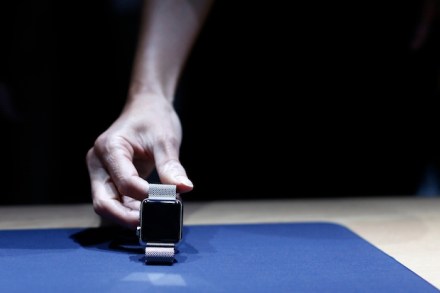
Apple’s new smart watch, unveiled by Tim Cook yesterday, had incredible potential. But its functionality has been hindered by technical hitches – and, especially, overzealous legislators. Their cloying presence must have been felt at every product meeting. Engineers working on Apple’s watch did so with the rasping breath of the US Food and Drug Administration (FDA) on the back of their necks. The result? Apple is nowhere near giving us a device that allows comprehensive self-monitoring of health – thanks to federal regulations. Public health services everywhere tell us that prevention is better than cure.

The Taylor Wessing Prize has no future if it continues to be so insipidly PC

From our UK edition

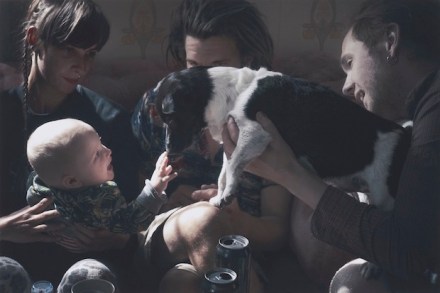
We know what to expect from the Taylor Wessing Portrait Prize. Africans in tribal dress. Flame-haired girls posing with animals. Nudes, generally grotesque: obese hanging bellies, a limb missing here or there. Wizened (but wise!) faces. Low-level child pornography. In 2012 the National Portrait Gallery was fortunate to avoid the wandering gaze of Operation Yewtree. Certain archetypes always seem to make the grade. Perhaps the judges have finally woken up to the clichés, because the choice of finalists this year is not predictable but baffling. The first prize was awarded to David Titlow for a photograph of his nine month-old son. Imagine The Creation of Adam, with a dog in place of God and a baby in place of Adam. It’s not as interesting as it sounds.

How independence will impoverish Scottish culture

From our UK edition

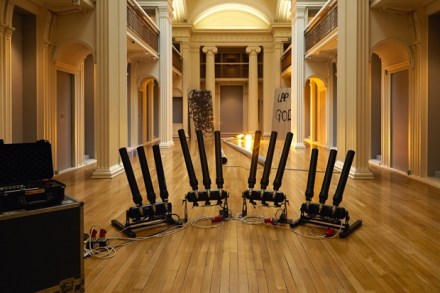
[audioplayer src="http://traffic.libsyn.com/spectator/TheViewFrom22_11_Sept_2014_v4.mp3" title="Fraser Nelson, Tom Holland and Leah McLaren discuss how we can still save the Union" startat=50] Listen [/audioplayer]An explosion of confetti will greet the announcement of Scottish independence. This isn’t another one of Alex Salmond’s fanciful promises, but an installation by a visual artist named Ellie Harrison. She wants Scotland to become a socialist republic. She has placed four confetti cannons in Edinburgh’s Talbot Rice Gallery. They will only be fired in the event of a Yes vote. Most artists in Scotland favour independence. Harrison’s installation is typical of the pretentious agitprop they produce. This isn’t a uniquely Scottish problem.

The SNP’s ‘cybernats’ are a modern political scourge – with the zeal of converts

From our UK edition

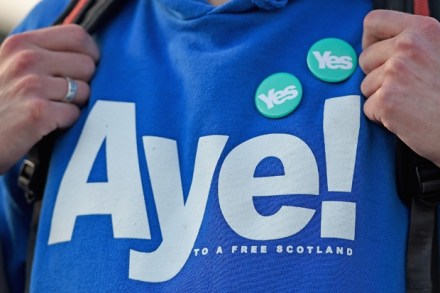
The first ‘yes’ campaign volunteer knocked on my door towards the end of last year. She was a member of the Scottish Socialist Party. I glanced at her dog-eared tally sheet — in my old block of 40 flats, only three residents had said they would vote no. In this neglected pocket of Edinburgh there are men who roll up their tracksuit bottoms to show off their prison tags. It is made up of decaying towers and pebble-dashed tenements. The people here are going to vote for change. Who can blame them? Now that I have moved to a more genteel suburb outside of the city, a further three yes activists have attempted doorstep conversions. I have heard appeals to my head, my heart and my wallet from nationalists who are as dogged as Jehovah’s Witnesses.