Christopher J. Scalia

The faulty towers of higher education

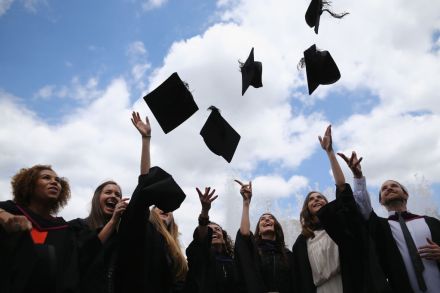
One of the few issues about which the American left and right agree is that higher education is, as Orwell would say, in a bad way. But even in that source of agreement lurk countless points of dispute, regarding the sources of dysfunction (corporate greed, grade inflation, libezoomers?) and possible solutions (ending tenure, forgiving debt, creating safe spaces?). In After the Ivory Tower Falls: How College Broke the American Dream and Blew Up Our Politics — and How to Fix It, Will Bunch, a columnist for the Philadelphia Inquirer, argues that the cause of the higher-education crisis is conceptual: we see higher education as a personal privilege rather than a public good, something to be earned rather than a right that is owed.
bunch

Diversifying democracy

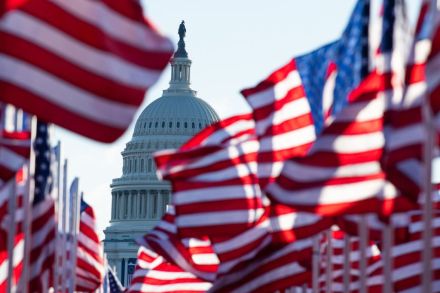
In 1790, George Washington wrote that “the establishment of our new Government seemed to be the last great experiment, for promoting human happiness, by reasonable compact, in civil Society.” Today, Yascha Mounk has reassessed Washington’s words. He proposes in his new book The Great Experiment that many Western nations are now conducting their own experiments. Never have so many nations tried to establish such diverse democracies, regimes that grant citizens of so many colors and creeds the same freedoms, opportunities and responsibilities. Mounk, a professor at Johns Hopkins University and the founder of the Substack publication Persuasion, is both hopeful and pragmatic about the experiment’s outcomes.

mounk

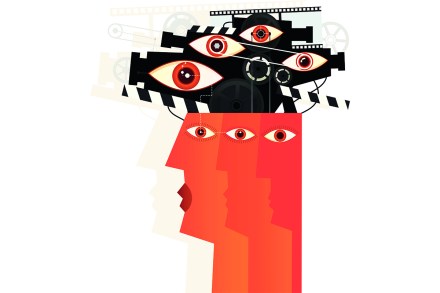
Reality bit

If a single television genre defines the twenty-first century so far, it is the reality show. These relatively low-budget and therefore lucrative unscripted programs often feature people competing to survive in the most hostile environments imaginable — and those are just the series about the Kardashian family. Many such shows are lowbrow entertainment at its most bingeable, the visual equivalents of a bag of potato chips: “I can’t believe I watched the whole thing.” Danielle J. Lindemann, a sociology professor at Lehigh University and an avid reality television fan, would probably agree with at least some of that description, but she would add that these shows are also quite instructive.

reality