Carlo Moll

Dr. Carlo Moll is a visiting scholar at Cambridge, where he is studying fascist underground networks

How Germany’s Free Democratic party capitalised on the AfD’s misfortunes

From our UK edition

One of the most remarkable stories to come out of Germany in the last year has been the rise of the Free Democratic Party (FDP). Having struggled for relevance in 2020, the party has transformed itself into a political force that could decide the makeup of the next government – and maybe even anoint Angela Merkel's successor as Chancellor. The FDP's success follows an almost eight-year long self-reinvention in which the party has sometimes resembled a cult of personality centred around its charismatic chairman, Christian Lindner. It was Lindner who began the party's revival after a shattering 2013 defeat led to the loss of all its seats in the Bundestag, Germany's highest parliament, and a phase of intense soul-searching and rebranding.

Merkelism is here to stay – and that’s bad news for German politics

From our UK edition

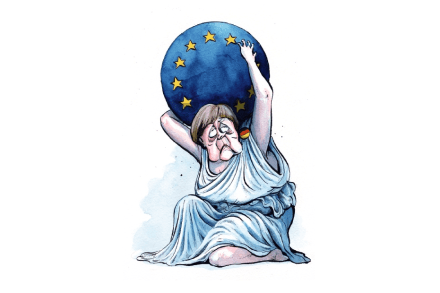
When Angela Merkel leaves office after Bundestag elections next month, she will have forever changed the course of German history. Merkel has steered Germany through a recession, the Eurozone and migration crises and the Covid-19 pandemic. During the Trump presidency, Germany's chancellor became an icon for liberals around the world. Yet her legacy in terms of Germany’s domestic politics leaves much to be desired. And her Christian Democratic Union (CDU) party has been left searching for meaning, with many voters now left wondering what the point of the Union is after Mutti. On the face of it, Merkel's insistence on reaching for consensus in German politics appears to be something to celebrate.