Camilla Swift

Camilla Swift

Camilla Swift is the supplements editor of The Spectator.

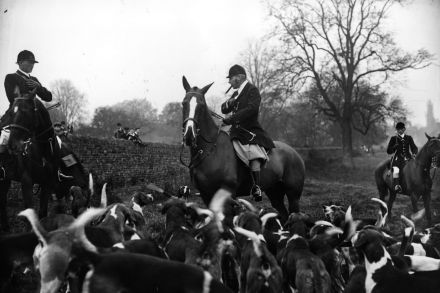
Ten years after the ban, why are there still hunt saboteurs?

If you don’t hunt or listen to The Archers, you might be forgiven for assuming that hunt saboteurs had become obsolete. Hunting with hounds was banned ten years ago, and the law is respected: convictions for illegal hunting against registered hunts are rare. But as this year’s season draws to a close, masked saboteurs are still a regular sight. Some made headlines in January when a video emerged of a group, faces covered, beating a hunt master unconscious with iron bars. What few people seemed to ask was: why? Why on earth do the protest groups still exist when the ban they demanded came in so long ago?

Why choirgirls are a bad idea

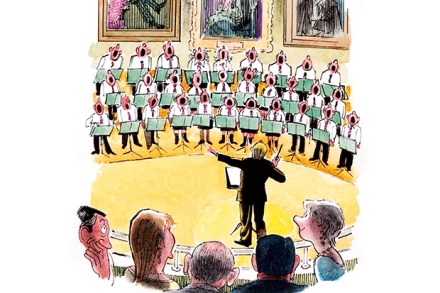
Boys, by Edward Bell Boy or girl, it isn’t easy being a full-time chorister, but the rewards are vast. For me, it was a good two years before the homesickness fully dissipated, and I was a veteran nine-year-old before I started really having fun. A year later the school became co-ed and our elite band had to adjust to the sudden arrival of girls. For a brief moment I thought they were even going to infiltrate the ranks of the choir. I couldn’t articulate why, but I remember thinking that would have been a bad thing. Very aware of the limitations of my own voice, I developed an obsession with the voices of others. Singing with the girls at school, I noticed that while their voices lacked the individuality of boys’ voices, they had a natural purity and sounded cleaner.

Hunting may be banned, but the fight still goes on

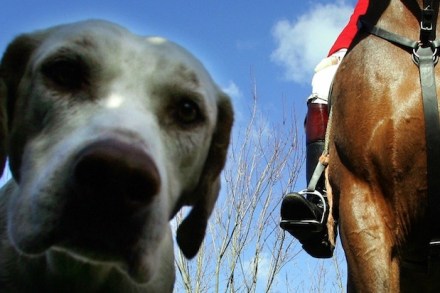
Ten years ago today, Tony Blair’s ban on hunting with dogs came into force. Rural communities had marched, Otis Ferry had stormed the Commons, but none of it made any difference, and anti-hunt campaigners rejoiced when hunting became a banned sport. But though the law has been in place for a decade, the fight for hunting still goes on. Many hunts, especially those based in more urban areas, are still plagued by hunt saboteurs, as was demonstrated just last month when Mike Lane, a Master of the Tedworth Hunt in Wiltshire, was attacked so savagely by saboteurs wielding iron bars that he was knocked out.

Shooting Dartmoor ponies? Fabulous idea

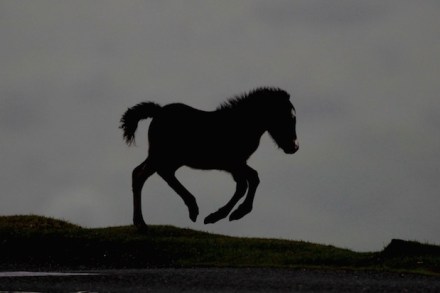
A gunman is shooting ponies on Dartmoor. Yes, it’s true; a trained sniper is wandering the moor, singling out ponies one by one. But don’t worry – it’s probably not as bad as you think. Charlotte Faulkner, a conservationist, is shooting them with contraceptive darts in a bid to control the number of foals born each year. It might sound like a bizarre idea, but actually, perhaps it makes perfect sense. The current problem that the Dartmoor hill ponies – and their owners – face is one of overbreeding. While hill ponies are needed to keep the gorse and natural ecosystem of the moor under control, the natural result of mixing mares and stallions on the moorland is an excess of foals.

The sheer joy of hunting

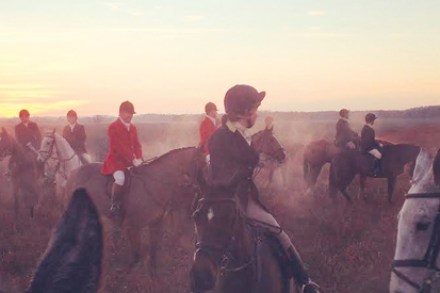
This time three years ago, I hadn’t jumped a single thing for almost ten years. This season, I am happily jumping hedges that my horse and I can’t even see over the top of. Crazy? Most likely. But when the adrenaline is pumping, and an inviting-looking hedge is looming directly in front of you — well, what’s a girl to do? The sheer joy of hunting comes from far more than just dressing up in a smart coat and shiny boots and drinking port. It’s the simple pleasure of being out in the field, watching the hounds do what they do best, and enjoying the pure beauty of the sport.

Norway hasn’t given in to Islamophobia – but it has reacted

Under the headline ‘Norway didn’t give into Islamophobia, nor should France’, Owen Jones writes on the Guardian’s Comment is free website that Norway’s response to the Anders Breivik massacre in 2011 ‘was not retribution, revenge, clampdowns’, and that ‘the backlash [Breivik] surely craved never came’. Norway, he writes, 'stood strong'. But did it really? I’m half Norwegian. I adore the country, and I would – and do – fight its corner any day of the week (even against our Swede-loving editor). Norway certainly hasn’t given in to Islamophobia, but it has reacted. No matter what Owen Jones says, there have been some changes in the Norwegian public’s general attitudes.

Reindeer roasting on an open fire

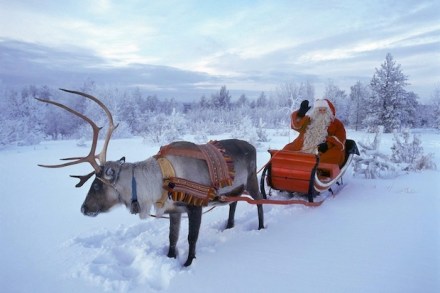
What’s wrong with eating reindeer? Well, if you normally eat meat, then I’d argue, absolutely nothing. But not everyone agrees with me. The fact that Lidl are selling packs of the meat – with festive golden reindeer on the box – has upset a number of people; presumably because they associate it with a certain Christmas tune about a red-nosed version employed by Father Christmas. But in reality, very little differentiates a loin of reindeer from a standard loin of venison – if anything. After all venison is, strictly speaking, the meat from any deer. So why not just label it 'venison’?

Why the ‘bat police’ are the animals’ own worst enemy

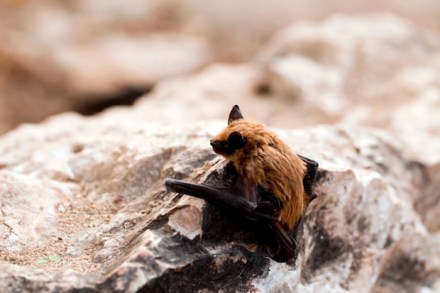
‘The only thing to be said for Halloween’, wrote Alexander Chancellor in a recent Long Life column, ‘is that it perpetuates the demonisation of the bat’. My initial thought was: ‘Surely Alexander is being slightly harsh on the poor old bat?’. I’ve always felt that bats have been dealt a pretty bad hand. After all, they’re essentially mice with wings, yet neither mice nor birds are quite as maligned as bats are. Rats, maybe, but that’s a different story. But then I thought about it some more, and I can see where he’s coming from. I’d argue, however, that it’s not so much the bats themselves that people detest. It’s more the rules that are supposed to ‘protect’ them that put people off.

Shoot first, ask questions later – police back off new gun monitoring plans

A few weeks ago, I wrote about a new Crimestoppers telephone hotline that the Association of Chief Police Officers (Acpo) decided would be a good idea, that was going to be dedicated specifically to ‘concerns about legally held firearms’. What ‘concerns’, exactly? Well, mainly that shooters could be ‘vulnerable to criminal or terrorist groups’ which is why the new phone line was designed to help the police ‘gather intelligence’, by urging members of the public to report any signs of ‘radicalism, extremism and vulnerability to terrorism’ among gun owners. But after a dedicated campaign from the Countryside Alliance, the decision has been made to abandon the plans.

Save Isis (the dog on Downton Abbey… not the terrorists in Iraq and Syria)

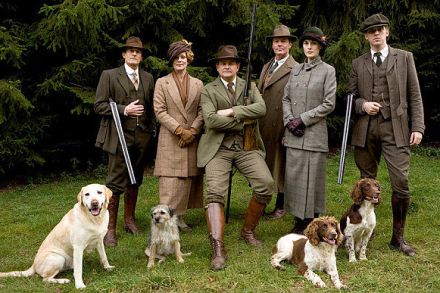
Downton Abbey fans are on high alert that something drastic might be about to happen to the loyal labrador of the house, 'Isis'. On this week's episode she was pointed out as looking ‘terribly listless’, with Lord Grantham subsequently agreeing to have the vet check her out. Surely this can’t have anything to do with her name? After all, it would be slightly unfair for poor old Isis to suffer simply because of a misfortune of nomenclature. What has she ever done to deserve an untimely death, save follow Lord Grantham devotedly around Downton? Isis’s predecessor was, after all, named Pharoah, so she continues the pyramidic scheme.

David Cameron shoots himself in the foot on the rural vote

Police this week were granted the authority to carry out random, unannounced checks at the home of anyone who has a gun licence. Why? They claim that shooters may be ‘vulnerable to criminal or terrorist groups’ and this is the way to tackle the 'problem'. The new Home Office guidance assures us this won’t occur ‘at an unsocial hour unless there is a justified and specific requirement to do so.’ Some get-out clause. Crimestoppers have also launched a dedicated phone line to encourage people to report any ‘concerns’ they might have about behavioural changes in fellow shooters. Acpo's national policing spokesman for firearms and explosives licensing added this would help ‘gather intelligence’. Sound familiar? It should do.

Beagle or bull terrier, don’t blame the breed – blame the owners

In this week’s magazine, Justin Marozzi writes about a vicious dog attack on a beach in Norfolk, which left his mongrel Maisie close to death and his own fingers ‘redesigned’ by a bull terrier’s teeth. What of the owners? Well, they slunk off, and were last seen ‘kicking and whipping’ the dogs in punishment. The ‘kicking and whipping’ is the part of the story that’s most telling. If these dogs are whipped and kicked at home as punishment for misbehaving, is it any wonder that they behave aggressively themselves? I can understand why Justin likens those who defend bull terriers to ‘those who believe Hitler was misunderstood’. But is it really the breeds that are to blame, or the owner?

Hunting is history – so why would the BBC pretend otherwise?

Of all the BBC’s output, the Antiques Roadshow is one of the programmes least likely to cause a row. Alright, so you might disagree with the odd estimate, or argue that some of the ‘treasures’ unearthed from attics aren’t bona fide antiques. But on the whole, it tends to be pretty inoffensive. Well it was, at least, until the Earl of Lonsdale claimed that programme makers had banned him from showing off his family’s collection of hunting memorabilia when filming at his home in Cumbria. So what happened here then? The Earl suspects that the decision was made due to the Beeb’s fears of offending animal rights campaigners; the BBC, on the other hand, has stated that they ‘do not have a general policy on hunting antiques.

The lost horses of London

The days when horses and humans lived cheek by jowl in the capital are unarguably over. Brewers’ drays have disappeared, and most people would argue that the black cab does a far better job than the hansom cab ever did. But the ghosts of horses past still inhabit the city. Statues of kings atop their chargers take pride of place in squares and parks, water troughs are scattered about the place, and the more recent Animals in War memorial on Park Lane is a reminder that our dependence on them lasted until less than a century ago. Not all of the reminders are visual, either.

Why shooting Wigmore Hall was the kindest thing to do

On Saturday, the Daily Mirror published a front-page photograph of the racehorse Wigmore Hall with a gun to his head, about to be put down, having broken its leg. Unsurprisingly, the paper’s decision was met with dismay and anger from the racing community. But perhaps more surprising is that the RSPCA appears to be on racing’s side. In February last year, Melissa Kite wrote in this magazine that she feared that the RSPCA might have set their sights on horse racing. But it seems promising – and strangely sensible – of the RSPCA to have spoken out against both the Mirror and the pressure group Animal Aid, which supplied the photographs.

The equine squatters that landowners have no power to evict

Fly-grazing will be discussed for two hours in Parliament this afternoon. But what is it – and why should the government care? Put simply, fly-grazing is the unauthorised grazing of land by equines. Or, as Defra puts it, ‘the practice of leaving horses to graze on public or private land without the permission of the owner or occupier.’ Essentially, it’s the equine version of being a squatter. This afternoon the Environment, Food and Rural Affairs Committee will take evidence on the topic, after Julian Sturdy MP put forward a Control of Horses Bill that will have its second reading in October. But are irresponsible horse owners something that the government really ought to be worrying about?

Why are there so few female jockeys?

In this week’s ‘The Turf’ column, Robin Oakley bemoans the lack of female jockeys in horse racing. This, he claims, is a result of the sport's lack of opportunities for women: 'I have banged on for years about the lack of opportunities for women jockeys in Britain. Some horses go even better for a girl and the good women jockeys like Hayley [Turner] … are as good as the boys. The problem is that few get the chance to become that good because they are denied enough rides by owners and trainers. You have to go 67 places down the championship list to find Hayley as the leading woman rider.

Shooting does more to protect wildlife than the RSPB

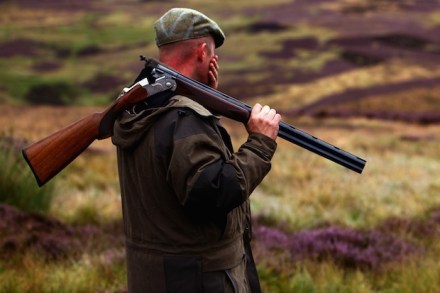
Today, the Glorious Twelfth, is the one day of the year most anticipated by game shooters – the start of the grouse season. But, as the first grouse make their way to restaurants and butchers across the country, a battle is being fought on the moors. The entire sport of grouse shooting is under attack because there are only three breeding pairs of hen harriers left in England – birds that the RSPB argue are endangered due to the actions of those with a vested interest in protecting red grouse from predators. A campaign to ban grouse shooting – complete with an e-petition to Defra – is being orchestrated by Mark Avery, formerly conservation director of the RSPB.