Austin Williams

Austin Williams is the director of the Future Cities Project and author of China’s Urban Revolution

Is air pollution really the killer we think it is?

From our UK edition

Ella Kissi-Debrah, a nine-year-old who died in February 2013 after suffering an asthma attack, is the first person in the UK to have air pollution cited on their death certificate. Two weeks ago, Ella’s mother finally settled her legal action against the government, which said it was ‘truly sorry’ for Rosamund Adoo-Kissi-Debrah’s loss and that it was committed to delivering an ‘ambitious clean air strategy’. Ella’s death has become a cause celebre among anti-car and anti-pollution activists. There is no doubt that Ella’s death was a terrible tragedy. But to blame air pollution alone – as some campaigners have done – for what happened risks ignoring the complexities of this case.

Battle of Ideas – is China in decline?

From our UK edition

95 min listen

Is China in decline? I was born in China in the 90s, and growing up it felt like the future was always going to be brighter. My parents were wealthier, more educated, better travelled than their parents, and it seemed assured that my generation would only have even better life chances. But in the 2020s, China’s economic growth has slowed down. Some of the once-bright spots in its economy, like real estate, are in slow motion meltdown. In the last couple of years foreign direct investment into the country has been falling at a record pace. The youth unemployment rate from this summer shows that just under a fifth of people under 24 are jobless.

Why are Chinese students giving up on architecture?

From our UK edition

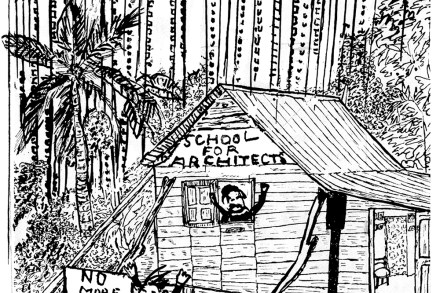
I recently convened an urban studies summer school in a top university in Shanghai and asked the assembled class of architectural master’s students: ‘Who wants to be an architect?’ Not one hand was raised. This was not the typical reticence of Chinese youngsters; this was a class of architectural students who have given up on architecture. They are all hoping to escape architectural education, so that they might progress to classes in AI, digital transformation or some other hi-tech sector where they believe jobs exist. For them, architecture is a dead end. As my Chinese students are discovering, there are too few jobs in the sector, the pay is low and the work is unappealing.

Israel’s war with Gaza has exposed China’s impotence

From our UK edition

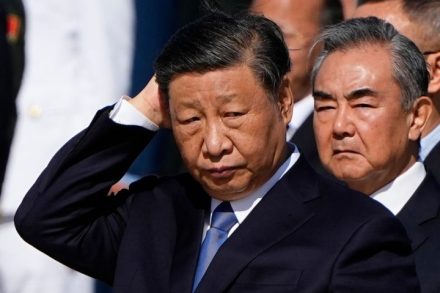
Only last week, China was pushing itself forward to be the regional eminence grise in the Middle East, the powerbroker driving renewed Palestine-Israeli peace talks. In August this year, China’s foreign minister, Wang Yi said that Chinese-mediated detente was driving a ‘wave of reconciliation’ in the Middle East. China’s inflated sense of its influence in the region came to a juddering halt in the light of the horrific attacks on Israel by Hamas militants last weekend. As a self-declared mediator in the region, China refused to condemn the Isis-style barbarity of Hamas, instead choosing to chide Israel for refusing to enter talks. It called for both sides ‘to remain calm and exercise restraint'.

When will the Tories get a grip on the post-Grenfell construction chaos?

From our UK edition

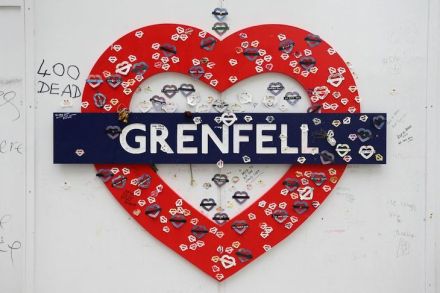
It's been more than six years since the Grenfell Tower fire killed 72 people and made many more homeless, yet the survivors – and families of those who died – are still waiting for answers. The Grenfell Inquiry, which launched a few months after the disaster, was meant to hold people to account, to question the management and design of high-rise buildings and to rebuild trust. Yet the only tangible results so far seem to have been the £70 million paid to an army of lawyers. The Inquiry has been labelled a 'never-ending circus' by the British-Nigerian novelist, Jendella Benson. It's a description that is hard to disagree with. And while the Inquiry trundles on, a different kind of crisis is looming large.

History and belonging: life in a Chinese mega-city

From our UK edition

37 min listen

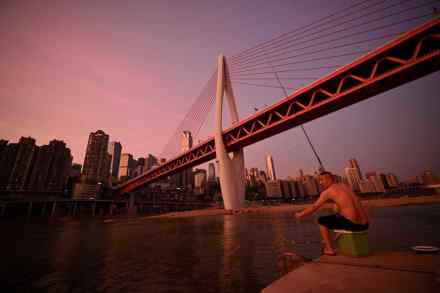
In the last four decades, hundreds of millions of Chinese have moved into cities. Today, two thirds of the country live in urban areas (compared to just one third in 1985), and many of these are hubs with tens of millions of people – mega-cities that many in the West have never heard of before. What does this fast urbanisation do to communities and tradition? On this episode, my guest Austin Williams (an architect turned journalist and academic) explains how these populations were thrown up into 'vertical living'. ‘If Ayn Rand had created a country, then China would be it’, says Austin. In other words, the family unit matters more than the community surrounding you. This episode is a deep dive into urban life in China.

Green screen: the march of TV ‘planet placement’

From our UK edition

Britain’s film and TV industries want to help save the world. That’s hardly news. But one organisation is ensuring the industry focuses its efforts on environmental sustainability: Albert, which also goes by the name of Bafta Albert. You might have seen the logo – a black footprint – at the end of many TV programmes, from BBC’s Newsnight to Sky Sports News. It’s a rapidly expanding body that few people other than industry insiders have heard of. But Albert is increasingly influential in determining how media institutions programme content, conduct their working practices and set their goals. It describes itself as an environmental organisation which aims to encourage TV and film companies to reduce their carbon footprint.