Ash Bhardwaj

Ash Bhardwaj is a defence analyst, author, and journalist with a background in strategic communications and the Army Reserve. He’s reported on culture, conflict, and current affairs from over 50 countries.

Does it matter that Wes Streeting has no military experience?

From our UK edition

Since Wes Streeting became the UK’s latest Secretary of State for Defence earlier this week, critics have claimed that he is unqualified for the role. Streeting replaces Dan Jarvis, a former British Army officer, who was defence secretary the six weeks before this. The last Conservative defence secretary, Ben Wallace (also a former army officer) believes that replacing Jarvis with Streeting 'shows a contempt for defence at a time [that] they need continuity, and someone who understands the new way of warfare and the men and women of the armed forces'. Lord Richard Dannatt, who was head of the British Army, told LBC that: Defence is a complex portfolio… Streeting knows the square root of nothing about [it].

Cutting Army Reserve training would be a disaster

From our UK edition

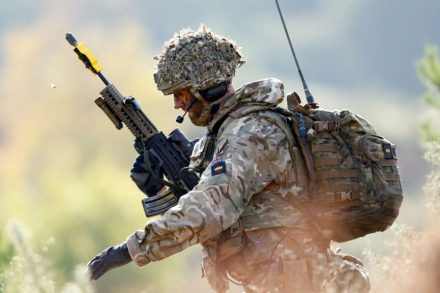
Dan Jarvis has been the new Secretary of State for Defence for nearly a week now, but the decision of No. 10 and the Treasury is unchanged: there will be no more money for defence. Just a 0.08 per cent increase to 2.68 per cent of GDP between now and 2030 – not the 3 per cent that John Healey had been working to, and no plan for 3.5 per cent by 2035. Yesterday, the Chief of the Defence Staff, Air Chief Marshall Sir Richard Knighton, laid out what that will mean in practice: cuts to the day-to-day funding that enables operations and training: The thing that I’m most concerned about is the level of day-to-day activity funding, the resource departmental expenditure limit, because that funds operational activity and drives exercises and training.

The MoD wanted more money. Does it deserve it?

From our UK edition

John Healey, the former defence secretary, resigned on Thursday because the government wouldn’t give defence more money. Experts, military chiefs, and even Keir Starmer have stated that defence is the priority, so what went wrong? Good defence spending prevents war, because it makes an adversary think twice about attacking you. In a perfect scenario, the guns and missiles are never fired, because the cost of war is greater than the cost of deterrence: Ukraine is spending half of its GDP and losing thousands of lives because Putin thought he could win. But that money needs to come from somewhere, which is a difficult argument to win: we never see the wars we don't fight, but we do see the potholes that aren't filled or the taxes on our payslips.