Allum Bokhari

The rise of anti-tech terrorism

Sometime after midnight on a Monday in April, a man in Indianapolis emptied 13 rounds into the front door of city-county councilman Ron Gibson. His eight-year-old son was asleep in the house. Tucked under the doormat was a handwritten note. It read: “No Data Centers.” One hesitates to draw grand conclusions from a single individual with a grievance and a firearm. But the note is the thing. The shooter did not want money, or revenge for some private wrong. He wanted, apparently, to register a policy preference about server infrastructure. And he is not, it turns out, alone. US law-enforcement officials have lately begun reaching for a new phrase to describe what is bubbling up: “anti-tech extremism.

The dismantling of Lambda School

In 2017, Zoom finally achieved what Skype never could: hosting video calls that didn’t freeze. It was a golden moment to take education online. Enter Lambda School, a Silicon Valley startup founded by Austen Allred with the aim of disrupting higher education. Allred’s idea was simple: people wanted to learn to code but often couldn’t pay $20,000 upfront. His solution? You’d pay nothing until you landed a job earning more than $50,000 a year. At that point, a share of your income would go back to Lambda. But never more than $30,000, and never with interest. The technical term for this is an income share agreement, or ISA, an equity-like stake in a few years of a person’s future income. If you got a good job, the school was repaid. If you didn’t, the school took the loss.

startup

Did Big Tech sway the election?

From our UK edition

30 min listen

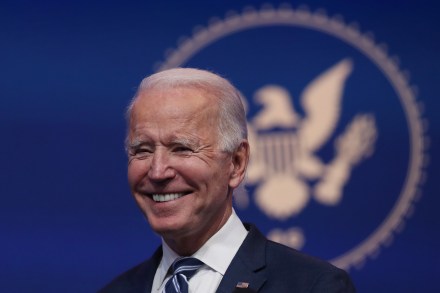
Joe Biden won the 2020 election, but was support from social and legacy media the reason why? Freddy Gray speaks to Allum Bokhari, author of #Deleted, about whether Big Tech swung the result.