Alex Peake-Tomkinson

A sleep and a forgetting

From our UK edition

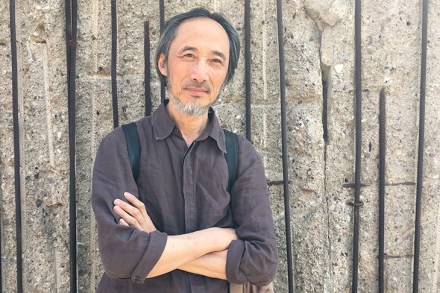
Ma Jian’s novels have been banned in his native China for 30 years and he has been hailed as ‘China’s Solzhenitsyn’. His latest book, China Dream, also contains some of the zip and vigour found in Margaret Atwood’s dystopian visions. This must be one of the liveliest novels about brainwashing ever written. Ma Daode, the protagonist, is the director of the China Dream Bureau. Chillingly, such a body exists and was tasked with promoting Xi Jinping’s ‘China Dream of National Rejuvenation’ shortly after he came to power in 2012. Ma Jian takes this concept one stage further and has Ma Daode work on ‘developing a neural implant, a tiny microchip which we would call the China Dream Device’.

The piano tuner

From our UK edition

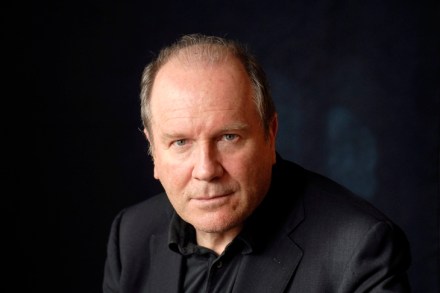
William Boyd’s 15th novel begins well enough. In 1894 Edinburgh, a 24-year-old piano tuner is promoted to the Paris branch of the firm he works for. Boyd is good on the inner workings of the piano: ‘the hammers, the rockers, the jacks, the whippens, the dampers — its innards were exposed like a clock with its back off or a railway engine dismantled in a repair shed.’ Brodie Moncur, the tuner in question, is possessed of perfect pitch and a fine sensibility which places him at odds with the brutal household of his tyrannical father and nine siblings (his mother has died in childbirth).

First Novels

From our UK edition

Katharine Kilalea is a South African poet who has written a startlingly good first novel. OK, Mr Field (Faber, £12.99) is the haunting story of a concert pianist whose wrist is fractured in a train crash. On a whim, he uses his compensation money to buy a house that he has only seen in pictures. If that sounds dull, this might be because it is hard to convey the shocking accuracy of Kilalea’s prose, which, ultimately, is what makes this novel so riveting. The absolute correctness of the vocabulary she uses makes one realise how pretentious and unnecessary the language in much contemporary fiction is. This would be nothing, of course, if Kilalea didn’t have anything to say, but she has so much to convey about loneliness, madness and mortality.

Brotherly love | 28 September 2017

From our UK edition

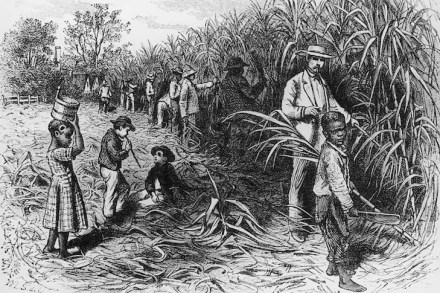
Jane Harris’s novels often focus on the disenfranchised: a maid in The Observations, a woman reduced by spinsterhood in the Victorian era in Gillespie and I, and now, a young slave in this third novel. Disenfranchised they may be, but her protagonists don’t lack agency. The narrator of Sugar Money is Lucien, a slave who is barely in his teens and whose voice is startlingly optimistic. In Martinique in 1765, Lucien and his older brother, Emile, are tasked by their French master with returning to Grenada — where they once lived — and smuggling back 42 slaves who are living under the rule of English invaders at a hospital plantation in Fort Royal. Emile is realistic about the scale of the challenge, but Lucien views it as a great adventure.