Adam Lammon

The Mar-a-Lago raid’s Saudi connection

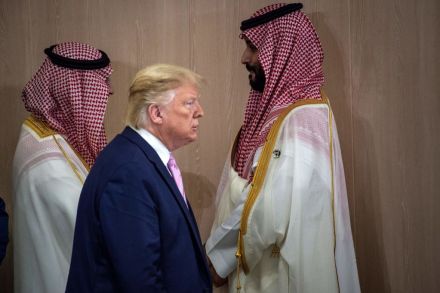
It appears that the FBI’s search of Donald Trump’s Florida residence was just the tip of the iceberg. Indeed, the Bureau's probe has been underway for months, and its decision to interview former White House lawyers suggests that law enforcement is not only interested in what was in the more than 700 pages of documents that Trump took, but also why he took them. The Washington Post recently alleged that some of those documents are related to nuclear weapons. This has shone a light on Trump’s prior attempts to share sensitive nuclear technology with Saudi Arabia, a country that has flirted with building nuclear weapons. Could Trump’s friends in Riyadh have been due for one of his infamous quid pro quos? History provides a guide. As early as 2016, Donald Trump Jr.
Learning to live with a nuclear Iran

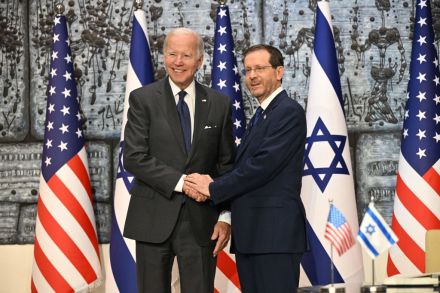
A mere four years after President Donald Trump withdrew the United States from the Joint Comprehensive Plan of Action (JCPOA), the international agreement that had constrained Iran’s nuclear program, Iran is closer to building a nuclear weapon than ever before. Both the Trump administration’s pressure and the Biden administration’s diplomatic campaigns have failed to yield Iran’s capitulation, yet still the United States has not changed tack. Instead, it has only raised fears of a cataclysmic clash in the Middle East. To be sure, while the Trump team’s maximum pressure strategy had great success in “crushing” Iran’s economy, it was far less effective in achieving any of its stated objectives.

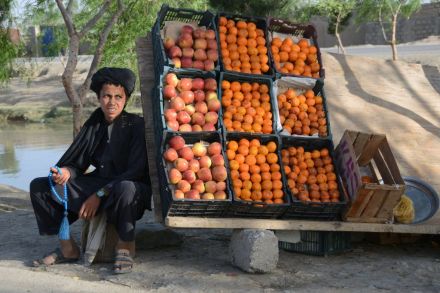
Remember Afghanistan?

For Americans, neglecting Afghanistan has long been the norm. Almost from its inception, it was the forgotten war, fought “over there so we do not have to face them” here, as President George W. Bush once put it. It was a campaign to crush the Taliban only to abruptly become a democratic nation building project and then just as quickly be sidelined for the “real war” in Iraq. Even as far back as 2009, when the United States still had 62,000 troops in the country, David Folkenflik, NPR’s media correspondent, was asking, “Hey, Media: Where’s the Afghanistan Coverage?” This all appeared to change last August — at least for a time.