Wimbledon

Can we talk about Emma Raducanu’s Christianity?

From our UK edition

I’ve just been looking at photographs of Emma Raducanu again, this time focusing on her upper chest. She usually wears a pendant cross, which suggests that she is a Christian. Yes I know that some people wear crosses for fashion reasons, but I don’t think she’s in that camp. Maybe it’s more a sign of cultural than religious allegiance, maybe a treasured gift from a grandparent? Or maybe a sign of solidarity with China’s persecuted Christians. To what extent is it legitimate to inquire into this? The orthodoxy is, not at all, you meddling creep. It’s her business, and it’s utterly irrelevant to her tennis success. But it is not too out-of-order to ponder the symbols that people in the public eye choose to wear.

The sport of the Royal Box

From our UK edition

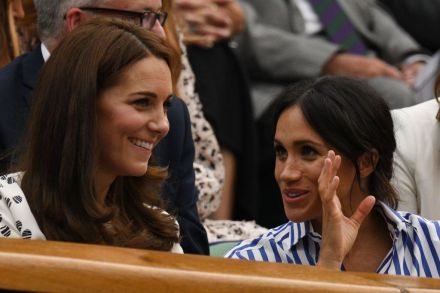
Yes, we tune in for the tennis on Wimbledon fortnight. But lovers of SW19 also tune in for another kind of spectating on any given day: the sport of the Royal Box. A championship of notoriety and celebrity in its own right. Raised feudally above the Centre Court, the Royal Box has seventy-four Lloyd Loom dark green chairs for its chosen occupants on all thirteen days of play. For nearly a century, since 1922, the Royal Box has welcomed an illustrious rollcall of guests, described by the All England Club as ‘British and overseas Royal Families, heads of government, people from the world of tennis, commercial partners, British armed forces, prominent media organisations, supporters of British tennis and other walks of life.’ And me. Yes, that’s right.

The dying art of sports commentary

From our UK edition

Wimbledon is here at last, after its absence in 2020. What struck me watching the French Open on television a couple of weeks before was just how much rubbish I had to listen to if I kept the sound on. There are now too many matches broadcast, which means more and more commentators spouting off about the game in the middle of rallies. I don’t know why viewers don’t raise hell with the networks about these non-stop blabbermouths who interrupt our viewing. We’ve become a nation of sheep, accepting everything so-called experts throw at us. Televised sport needs commentators only before and after the event.

In defence of Naomi Osaka

From our UK edition

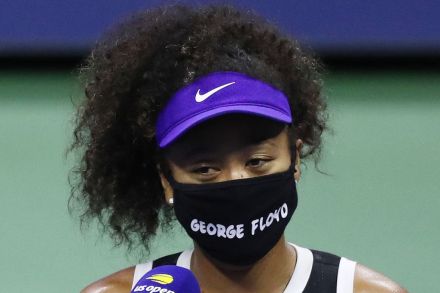
‘Kawaisou’ or ‘wagamama’ (poor thing or spoiled brat)? That’s the question Japanese tennis fans have been asking ever since world number two Naomi Osaka quit the French Open, having refused to fulfil her post-match press conference obligations. The tennis superstar cited mental health problems for her reluctance to be quizzed by journalists, after which she was censored sharply, and handed a $15,000 (£11,000) fine. She was told to comply, but has chosen not to, packing her bags and leaving instead.  Osaka has said that she suffers ‘bouts of depression’ and has confessed to a chronic shyness that prompts her to wear headphones to shut out the world whenever she is at a tournament.

The science of tennis grunts

From our UK edition

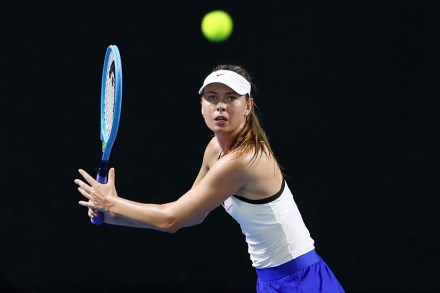
The cancellation of Wimbledon this summer deprived fans of their annual exercise in moralising. There is one topic SW19-goers love to complain about every year: the grunting sounds that players emit as they hit the tennis ball. Maria Sharapova, who retired in February, was called the Queen of Screams. Her grunts were once recorded at 101 decibels, more than a Boeing 707 as it touches down. They even inspired a series of ringtones. ‘I’ve done this ever since I started playing tennis and I’m not going to change,’ Sharapova once said. Yet her grunts were said to be mysteriously absent on the practice court. Grunting can give players a tactical advantage.