A tale of cruelty and imposture: The Fraud, by Zadie Smith, reviewed
From our UK edition
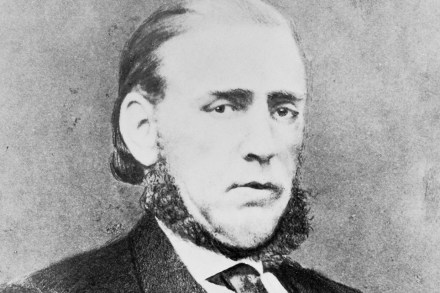
‘Is this all that these modern ladies’ novels are to be about? People?’ So asks the bewildered author of Old St Paul’s, The Lancashire Witches, The Tower of London and three dozen other forgotten blockbusters stacked with costumed folderol. In Zadie Smith’s sixth novel, William Harrison Ainsworth disapproves, in 1871, of hiscousin-housekeeper, Eliza Touchet, reading a nameless story of dull village folk with ‘no adventure, no drama, no murder’. It can only be George Eliot’s Middlemarch. The Fraud alights briefly on this quarrel, as it does on many Victorian topics. Yet Smith’s triple-pronged tale of imposture and masquerade, public lies and secret truths, often reverts to fiction’s role either as gaudy stage for the ‘human comedy’ or mirror for the hidden spirit.