Wheat

The joy of baking your own bread

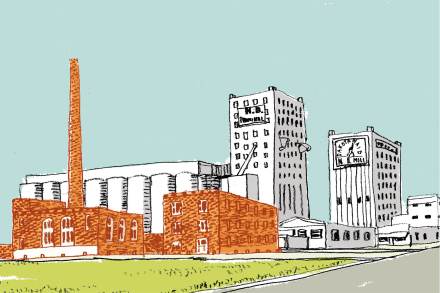
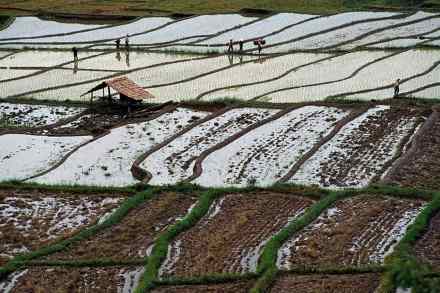
Flour furnishes most everyone’s kitchen. If you’re a baker or breadmaker, you will probably have several five-pound bags of it in the pantry alongside the yeast. If you don’t bake or don’t bake much, you will probably have at least a cup or two of it in the canister on the kitchen counter for thickening the gravy, frying the chicken or making the roux. Most likely, most of it will have come from wheat. Wheat has been with mankind for 10,000 years or so and was first domesticated somewhere in the Fertile Crescent, or, as our old geographies used to say, Mesopotamia, which also, it was hinted, was the neighborhood of the Garden of Eden. Wheat’s genetic diversity made it adaptable to a variety of climes and continents.

bread

Flour power: a single ingredient can be life-changing

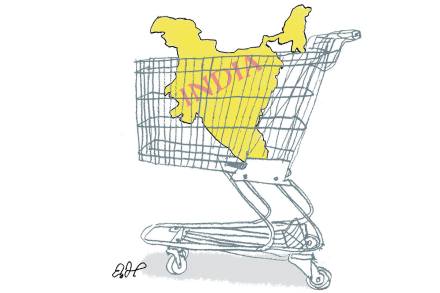
Growing up in a “mixed” American household, of Indian, Puerto Rican and Italian descent, was deeply confusing during my formative years. I came of age in a mostly white suburb just outside New York City. In addition to my foreign-sounding name, I looked nothing like any of my classmates or the kids around the neighborhood. My olive skin, bushy eyebrows and curly hair were more reminiscent of children you’d find in the more ethnically diverse neighborhoods of Queens or the Bronx. My family spent most of our weekends visiting family and doing our grocery shopping in such areas. The array of ingredients that my Puerto Rican and Italian-American mother, Loretta, was searching for didn’t exist in our local Pathmark.

flour